
AGL Control & Monitoring
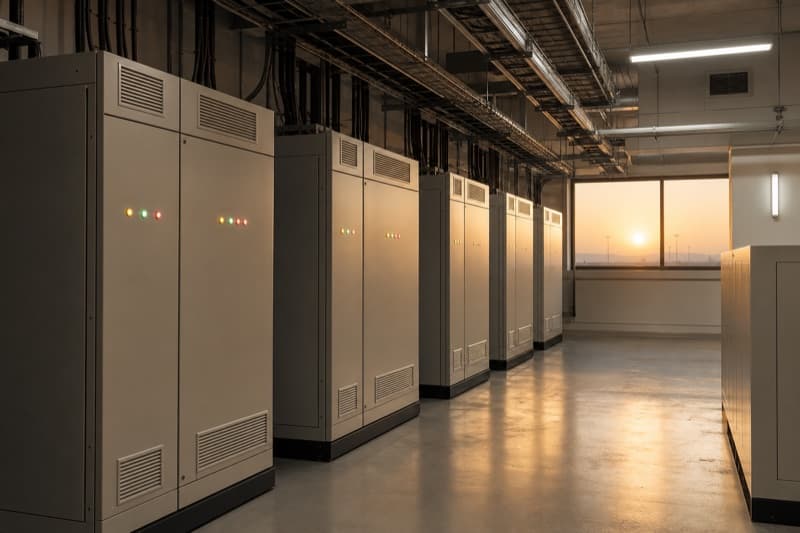
Northlane Solutions supplies constant current regulators, ALCMS and ILCMS control platforms, series isolation transformers, L-824 airfield cable and L-823 connector kits that make airfield ground lighting operate as one coordinated system rather than independent fixtures, engineered so a single fitting failure never brings down a circuit.
Airfield ground lighting looks like a lamp problem from a distance and behaves like a power system problem up close. Every fitting on a runway or taxiway circuit sits in series, fed at a constant current rather than a constant voltage, precisely so a single lamp failure does not interrupt the rest of the circuit. That single design choice explains most of what a control and monitoring package has to do.
Constant current regulators and isolation
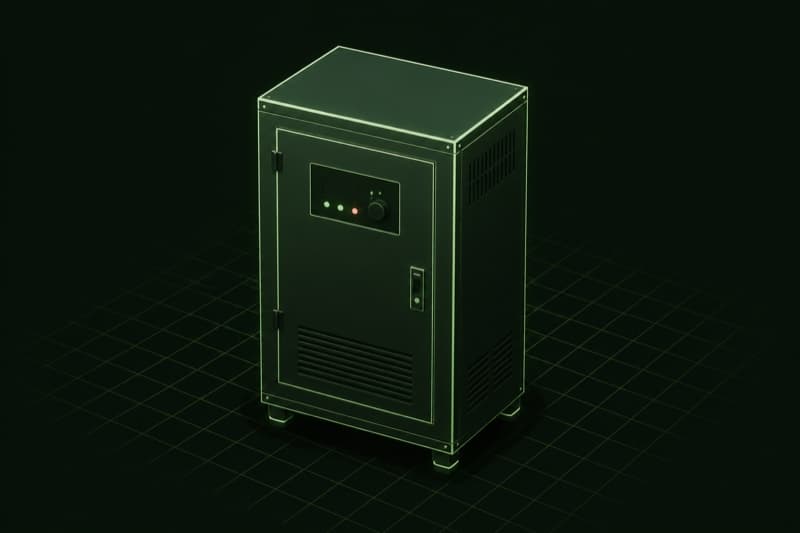
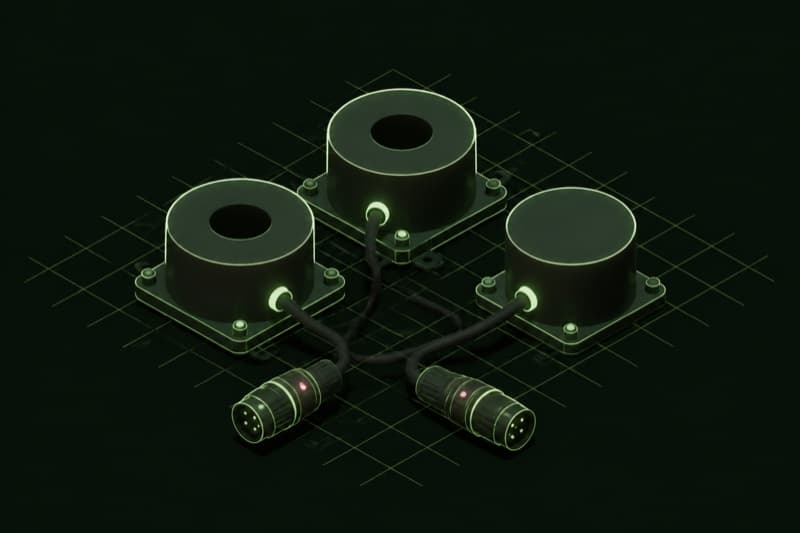
The constant current regulator (CCR) sets the current that flows through an entire series circuit and steps it between the brightness levels a controller calls for, day, dusk or low visibility settings among them. Each fitting on that circuit connects through its own series isolation transformer, which steps the circuit current down to the fitting's own operating level and, just as importantly, means a fault at one fitting does not take the whole circuit to earth. This is why airfield cabling cannot be treated like ordinary low voltage distribution: the components are chosen as a matched set, not sourced independently.
ALCMS and ILCMS
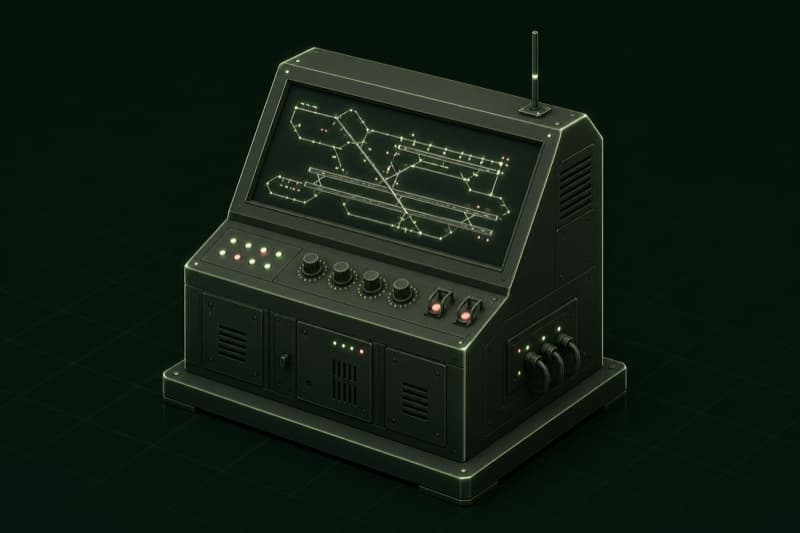
An Airfield Lighting Control and Monitoring System (ALCMS) gives air traffic control the ability to select lighting configurations, switch intensity steps and see circuit status from one interface, replacing what used to be a rack of manual switches with a system that reports faults as they occur rather than after an inspection finds them. Individual Lamp Control and Monitoring Systems (ILCMS) go a step further, monitoring and in some designs addressing each fitting individually rather than only at circuit level, which narrows a fault down to one lamp instead of one circuit and shortens the time a technician spends locating it.
Cable and connector infrastructure
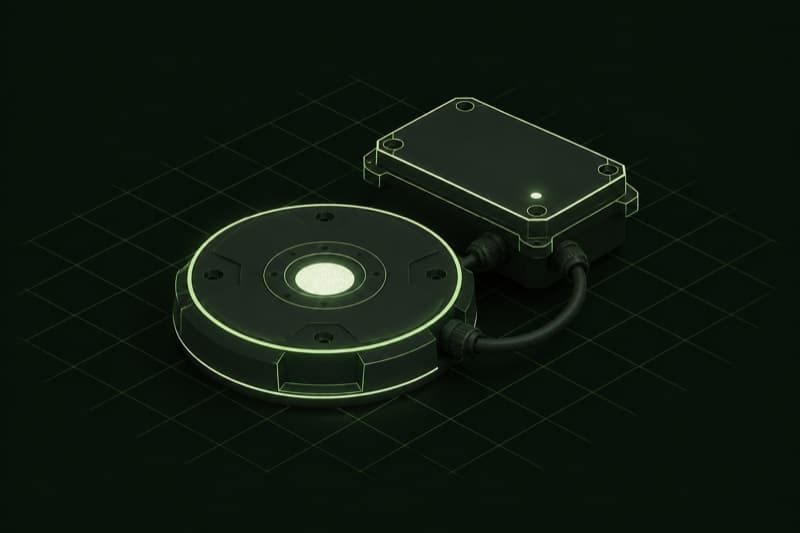
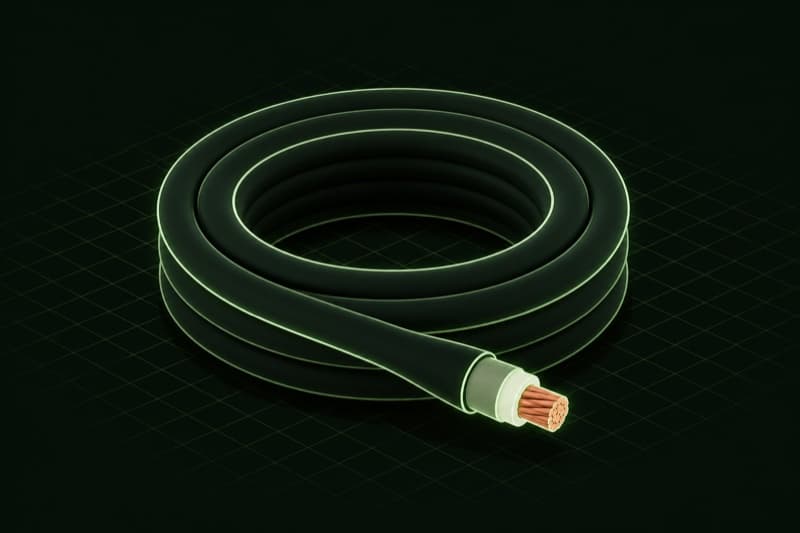
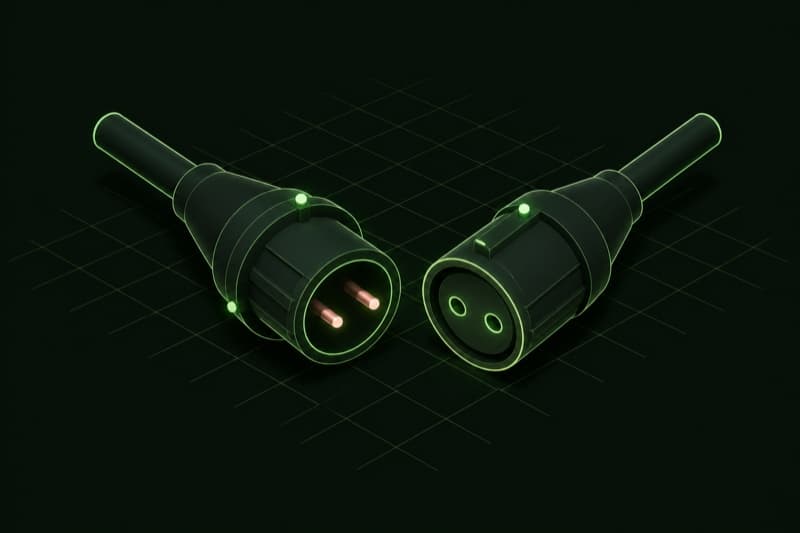
L-824 cable is the specified airfield cable type for series circuits, rated for the burial and load conditions runway and taxiway circuits present, and L-823 connector kits join fittings to the circuit in a way that keeps the connection weatherproof and electrically sound under aircraft loading and years of surface exposure. Neither is a commodity substitute item; both carry the aviation specification for a reason.
What Northlane Solutions delivers
NLS supplies CCRs, ALCMS and ILCMS platforms, series isolation transformers, L-824 cable and L-823 connector kits as a matched package, sized to the circuit configuration of the specific airfield rather than assembled from whatever is available. This equipment is supplied alongside the airfield ground lighting itself, so the fittings and the system that drives them are specified and commissioned together.
Related products
Guides
Planning a Halogen to LED Airfield Ground Lighting Conversion
How to plan a halogen to LED airfield ground lighting conversion: CCR compatibility checks, mixed-circuit operation during phasing, photometric requirements, and sequencing work without closing the runway.
Planning an Airfield Ground Lighting Project in Saudi Arabia
How to plan an airfield ground lighting project in Saudi Arabia: scoping runway, taxiway and approach systems, control and monitoring integration, halogen versus LED, phasing around live operations, and spares strategy.
What Drives the Cost of Obstruction Lighting Projects in Saudi Arabia
What actually drives obstruction lighting pricing in Saudi Arabia: structure height and intensity class, solar versus mains power, monitoring, portfolio quantity, and installation access.
Frequently Asked Questions
Why is airfield lighting wired in series rather than in parallel?+
A series circuit fed by a constant current regulator, with each fitting isolated by its own transformer, means a single lamp failure does not interrupt the rest of the circuit. Parallel wiring at mains voltage cannot offer that isolation across long runway and taxiway runs.
What is the difference between ALCMS and ILCMS?+
ALCMS controls and monitors lighting at circuit level, giving air traffic control one interface for configuration and intensity. ILCMS monitors and can address individual fittings, narrowing a fault to one lamp instead of a whole circuit.
Why does L-824 cable matter for an airfield circuit?+
It is rated for the burial depth, load and electrical conditions series airfield circuits present, which general purpose cable is not tested against. Using the specified cable and matching L-823 connectors keeps the circuit reliable under aircraft loading.
Can these control systems be added to an existing airfield lighting installation?+
Yes, provided the existing circuit topology and regulator capacity are assessed first. NLS reviews the current setup and supplies CCR, ALCMS or ILCMS upgrades sized to match it rather than assuming a full circuit rebuild is needed.