
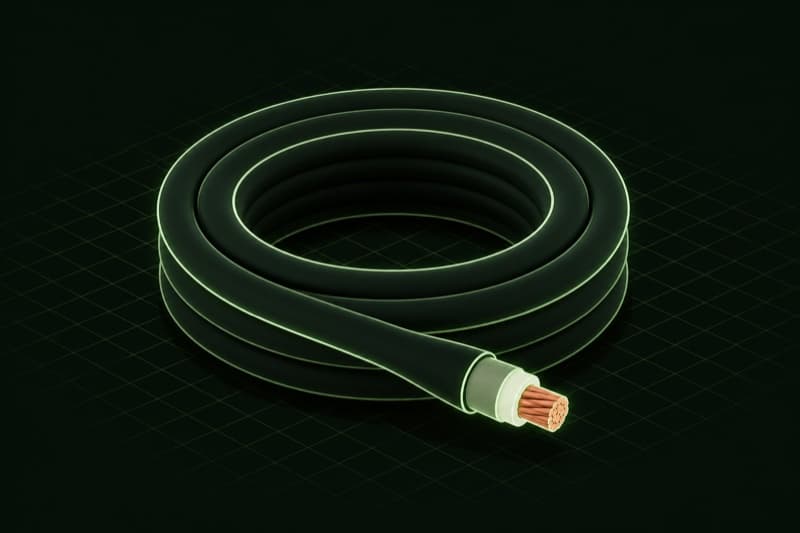
L-824 Airfield Lighting Cable
L-824 is the FAA specification for the cross-linked polyethylene insulated, direct-burial cable that carries series circuit current between the CCR, isolation transformers, and every fixture on an airfield lighting loop. NLS sources L-824 cable in the current-carrying sizes and armour options a project's circuit design and duct or direct-burial routing require, for Saudi airbase and heliport lighting projects.
L-824 cable is the specific cable type an FAA-format airfield lighting circuit calls for by name on the drawings and specification, a cross-linked polyethylene (XLPE) insulated conductor rated for the direct-burial and duct-routed conditions between a CCR vault and the field fixtures it powers. The specification covers several conductor sizes and cable types (types with and without a concentric neutral or shield), selected according to the series circuit's current rating and the specific run's electrical and mechanical duty rather than one universal cable size across a project.
What differentiates L-824 from a general-purpose direct-burial cable is the insulation's rated performance for the duty cycle a series circuit runs through, repeated energizing and de-energizing, dimming steps, and the moisture exposure of long buried runs beneath a runway or taxiway, combined with a manufacturing and testing regime specified against the FAA standard rather than a generic cable rating. A cable substituted for cost that doesn't carry the L-824 designation risks premature insulation failure under a duty cycle it wasn't tested against, a fault that shows up as buried and expensive to locate once the runway is paved over it.
Routing on a Saudi airbase or heliport project typically runs L-824 cable through PVC or HDPE duct beneath pavement sections and direct-buried in unpaved areas, connecting to isolation transformers, in-pavement, and elevated fixtures through the L-823 connector kits rated for the same current and voltage class. Cable sizing follows the circuit's series current, commonly 6.6A, and the total loop length, since voltage drop across a long series loop needs checking against the CCR's rated output voltage even though the current itself stays constant along the circuit.
A project team typically sends the circuit's current rating, total cable length per run, and duct or direct-burial routing from the civil and electrical drawings, and NLS returns matched L-824 cable sizing and a USD quote. Cable reel length and splice point planning matter on longer runway circuits, since minimizing splices reduces the number of potential moisture-ingress points along a buried run.
Specifications
- ✓Cross-linked polyethylene (XLPE) insulated conductor to FAA specification L-824
- ✓Sized to series circuit current rating (commonly 6.6A) and total loop length, with voltage drop checked against CCR output
- ✓Direct-burial and duct-routed (PVC/HDPE) rated for beneath-pavement and unpaved runs
- ✓Multiple conductor sizes and shielded/unshielded types available per circuit duty
- ✓Terminates at fixtures and isolation transformers through matched L-823 connector kits
- ✓Splice point planning minimizes moisture-ingress risk on long buried runway circuits
Frequently Asked Questions
What is L-824 cable used for?+
L-824 is the FAA-specified cable type that carries series circuit current between the CCR, isolation transformers, and fixtures on an airfield lighting loop, insulated and rated for the direct-burial and duct-routed conditions those runs go through.
Why not use a standard direct-burial cable instead of L-824?+
A series circuit's repeated energizing, dimming steps, and long buried exposure demand insulation performance tested against the FAA duty cycle L-824 specifies. A generic cable substituted for cost risks premature insulation failure that's expensive to locate once buried beneath pavement.
Who supplies L-824 airfield cable in Saudi Arabia?+
NLS sources L-824 cable sized to circuit current and loop length, along with the matched L-823 connector kits and isolation transformers the same circuit needs, for Saudi airbase and heliport projects.
Who supplies L-824 Airfield Lighting Cable in Saudi Arabia?+
Northlane Solutions (Northlane Solutions Company) supplies L-824 Airfield Lighting Cable across Saudi Arabia, including Riyadh, Jeddah, Dammam and Jubail. Send your specification and quantities to info@northlanesolution.com for a quotation.
Related products
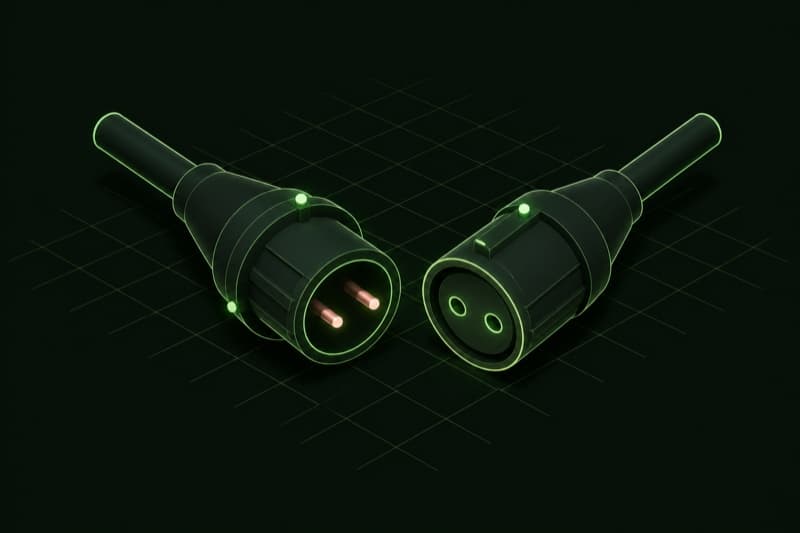
L-823 Connector Kits
L-823 connector kits are the FAA-specified, factory-molded plug and receptacle sets that join L-824 cable to airfield lighting fixtures and isolation transformers, sealed against water ingress at a below-grade or in-pavement splice point. NLS sources L-823 kits matched to cable size and current rating, supplied as part of the same series circuit package as the cable, transformers, and fixtures.
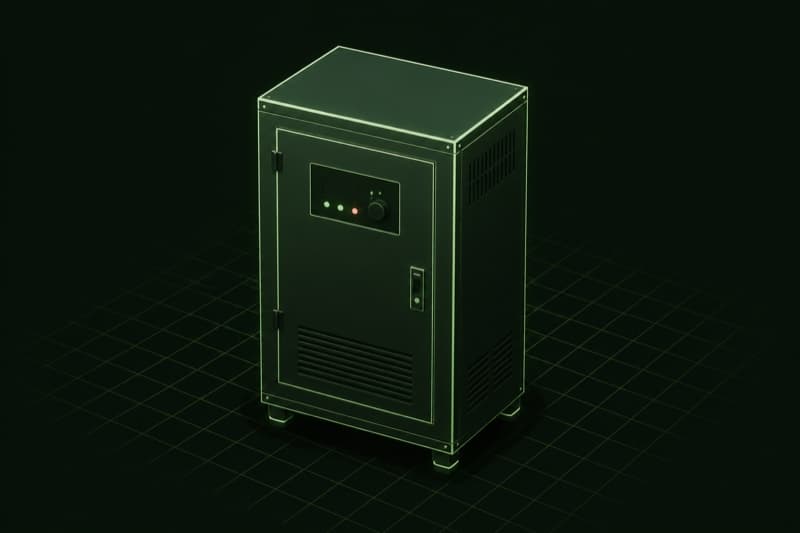
Constant Current Regulators (CCR)
A constant current regulator (CCR) feeds a series airfield lighting circuit a fixed current, commonly 6.6A, regardless of how many fixtures are wired into the loop, so every light in the string burns at the same intensity. NLS sources CCR units built to FAA AC 150/5345-10 and IEC 61822, sized to the circuit length a project's lighting plan specifies.
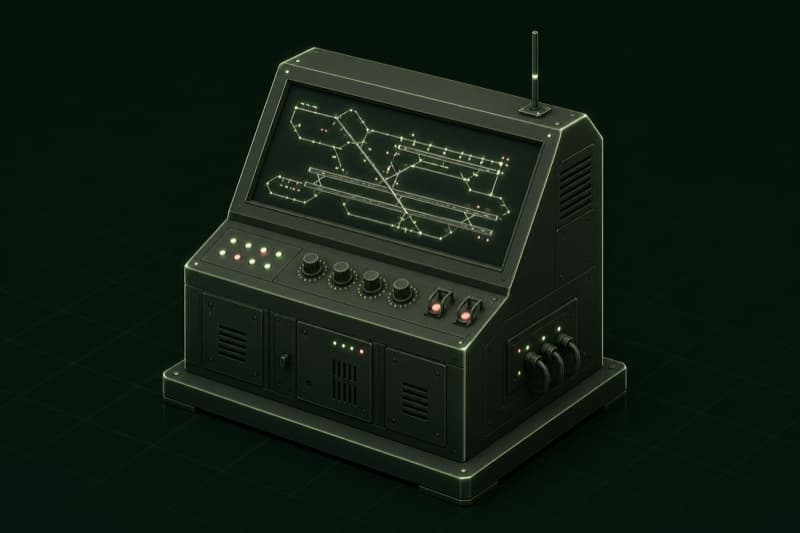
Airfield Lighting Control and Monitoring System (ALCMS)
An ALCMS is the software and control panel platform an air traffic controller uses to switch airfield lighting circuits on and off, select brightness steps, and see live fault status for every CCR and circuit from one workstation. NLS sources ALCMS platforms built to ICAO Annex 14 control requirements, integrated with the CCR equipment already on a project.
Individual Lamp Control and Monitoring System (ILCMS)
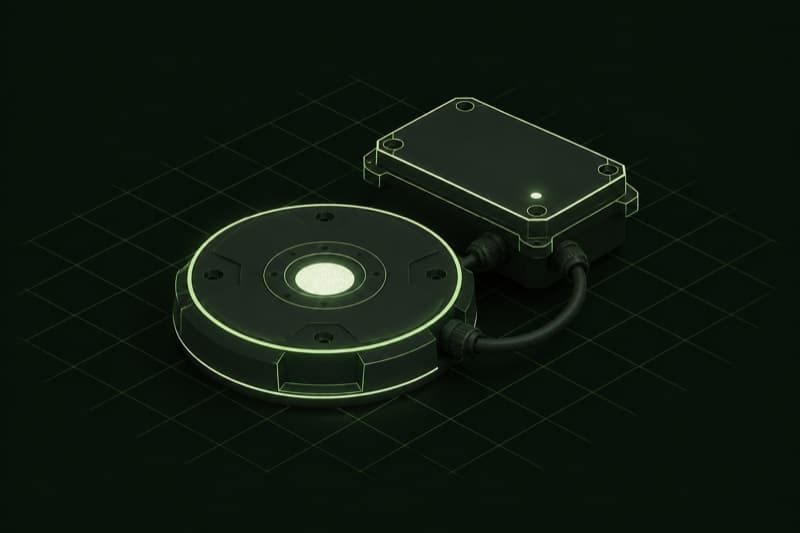
ILCMS reports and controls the status of each fixture on a series airfield lighting circuit individually, rather than only the circuit as a whole, so a controller sees exactly which runway light has failed. NLS sources ILCMS field units built to comply with ICAO Annex 14 maintenance and monitoring guidance, for Saudi airbase and heliport lighting circuits.
Series Isolation Transformers
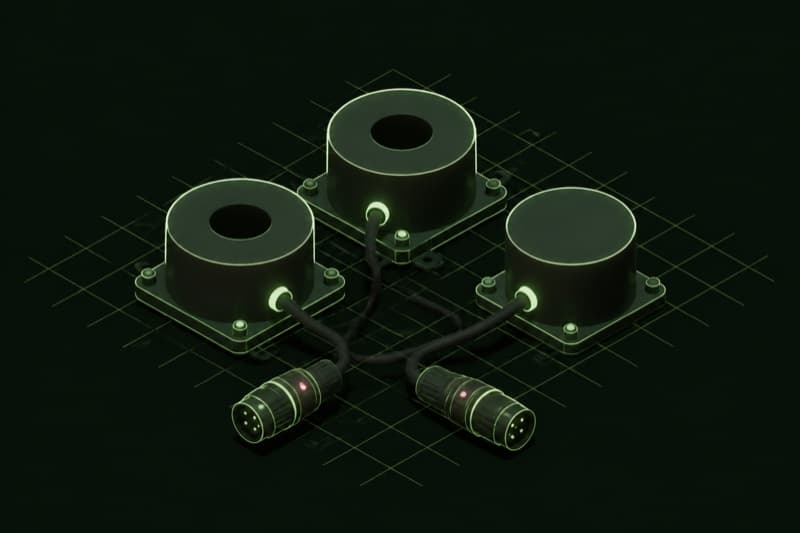
A series isolation transformer connects one airfield lighting fixture to a high-voltage series circuit while keeping the fixture's own wiring isolated at low voltage, and protects the rest of the circuit if that one fixture fails or is disconnected. NLS sources isolation transformers built to FAA AC 150/5345-47 and IEC 61822, sized to fixture wattage and rated series circuit current.