
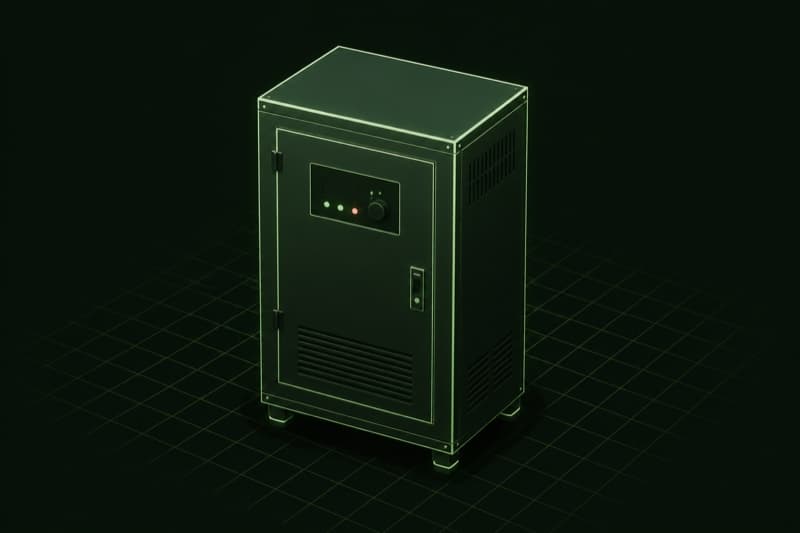
Constant Current Regulators (CCR)
A constant current regulator (CCR) feeds a series airfield lighting circuit a fixed current, commonly 6.6A, regardless of how many fixtures are wired into the loop, so every light in the string burns at the same intensity. NLS sources CCR units built to FAA AC 150/5345-10 and IEC 61822, sized to the circuit length a project's lighting plan specifies.
Inside the Constant Current Regulators (CCR)
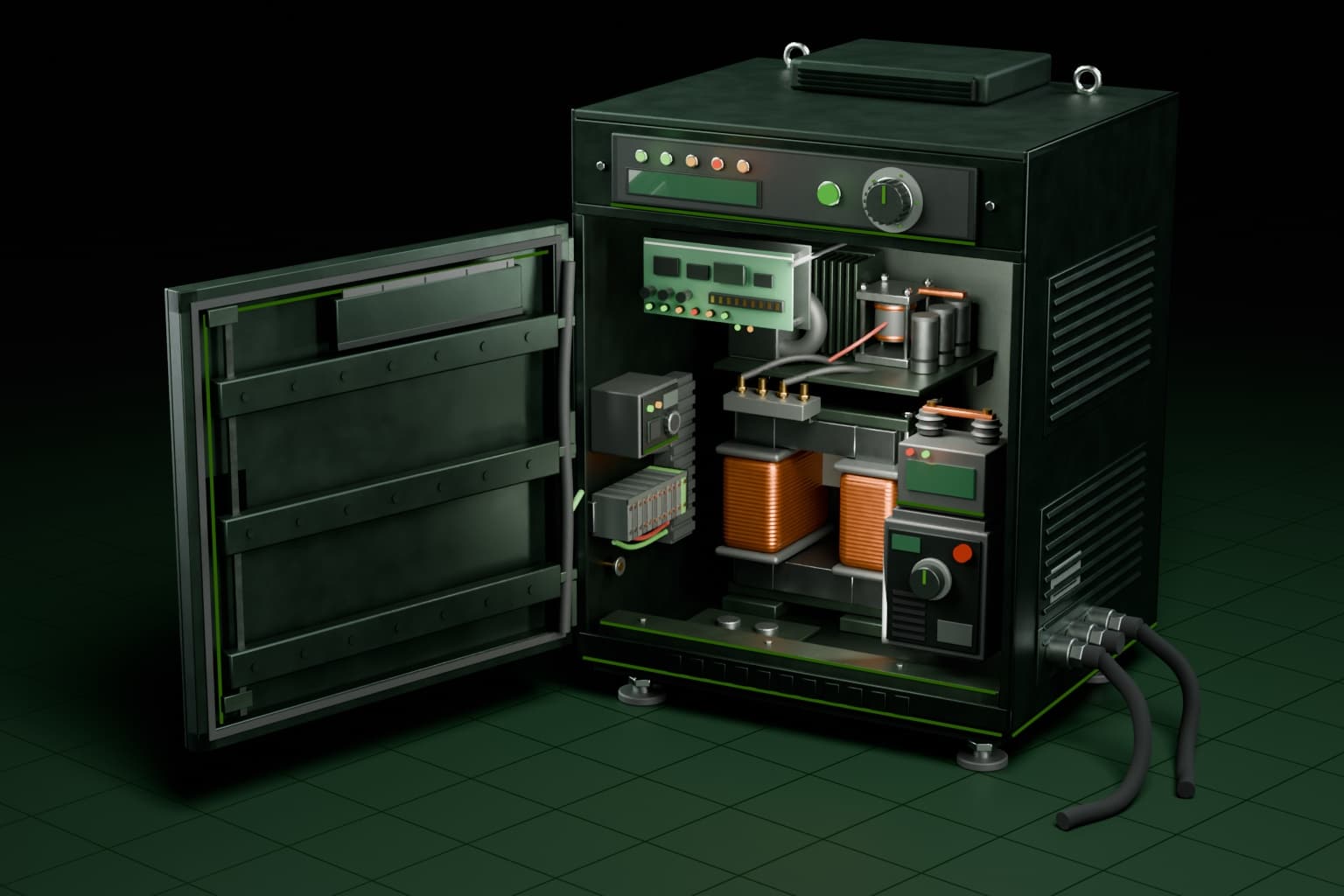
Download technical datasheet (PDF)A constant current regulator is not a single component but a power assembly built from distinct stages, each handling one part of turning incoming mains power into a stable series circuit current. The transformer, regulation, control, and protection stages work together inside one cabinet so a single unit can drive an entire runway or taxiway lighting circuit reliably.
01
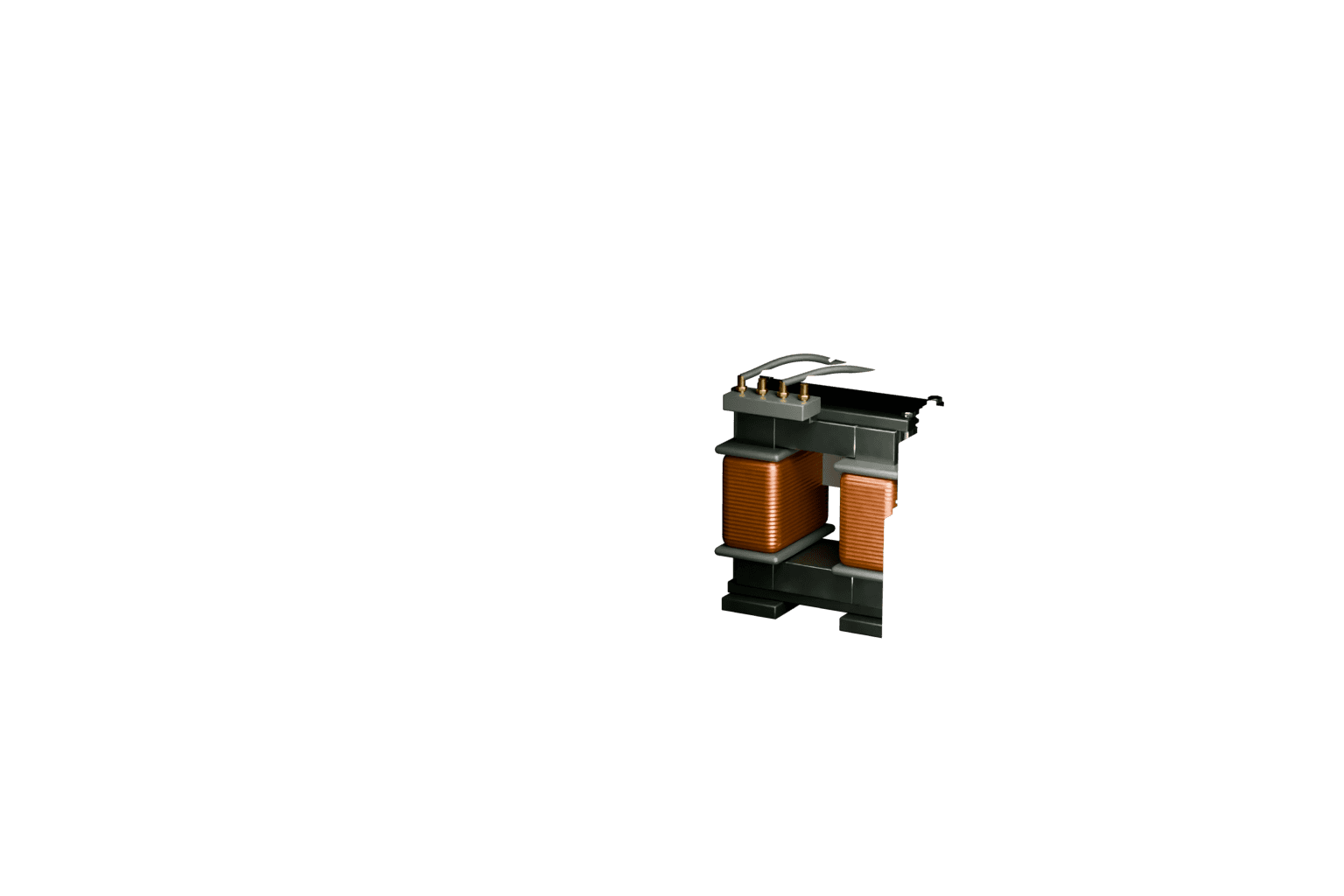
Power Transformer Stage
Receives the incoming mains supply and isolates and conditions it before the regulation stage draws on it. Correct transformer sizing here sets the ceiling on the regulator's total circuit capacity.
02
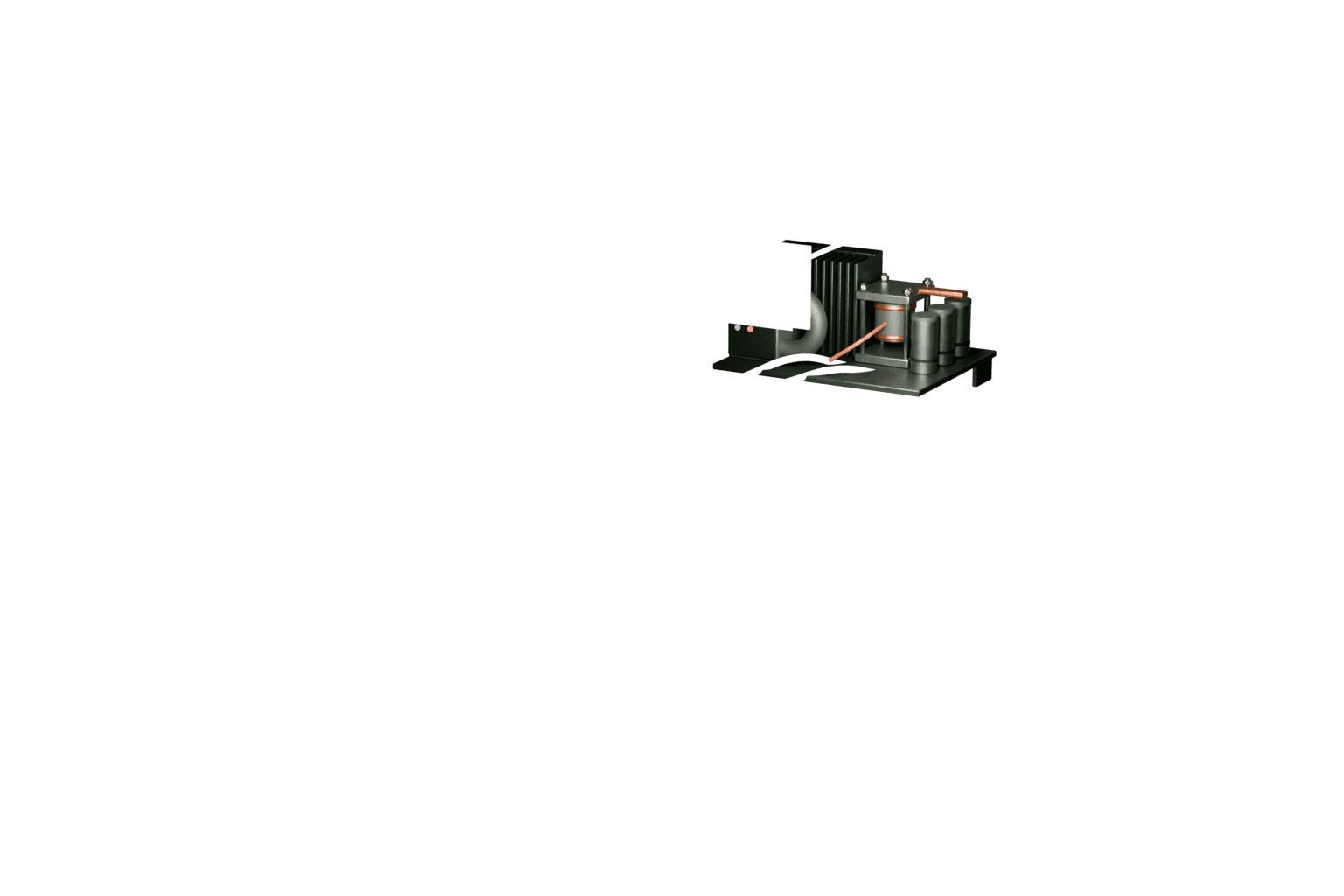
Current Regulation Stage
The core stage that holds output current constant across the range of brightness steps and as fixtures are added or removed from the circuit. Its accuracy determines how evenly every fixture on the loop burns.
03
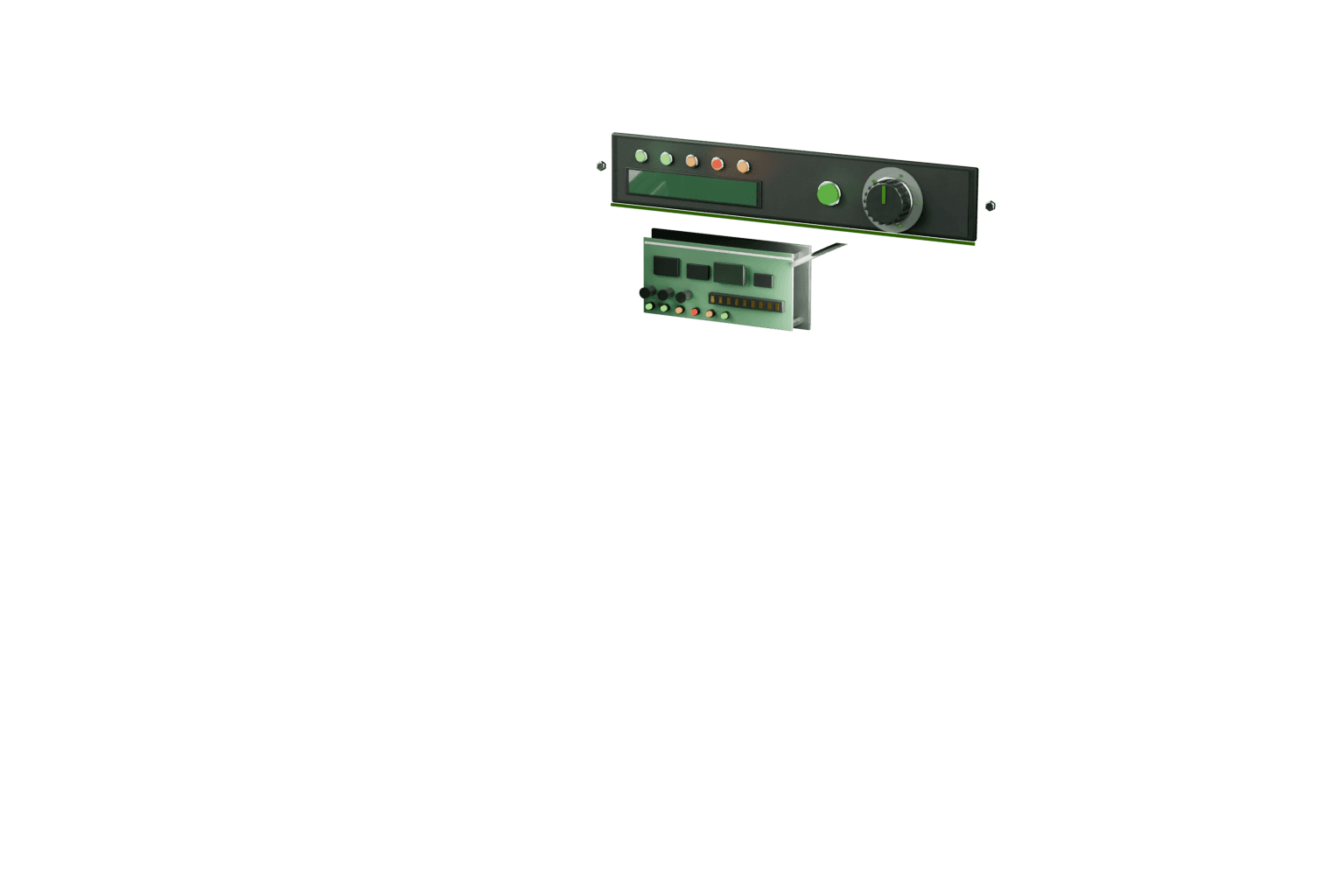
Control Card
Governs brightness step selection and processes remote commands from an ALCMS or manual panel. It also carries the protection logic that responds to open or short circuit conditions.
04
Monitoring Interface
Reports circuit current, output voltage, and fault status back to the ALCMS or a site SCADA system. This gives operations staff continuous visibility of circuit health without a manual check at the cabinet.
05
Cabinet Cooling and Ventilation
Dissipates the heat the regulation stage generates during continuous duty, protecting internal components from thermal stress. Adequate cooling design is part of what allows the unit to run unattended for extended periods.
06
Output Isolation and Open-Circuit Protection
The regulator's own output contactor and shutdown logic, which drops the circuit safely on an open-loop or fault condition and gives a clean isolation point for maintenance without opening the series loop itself.
FULLY ASSEMBLED
Constant Current Regulators (CCR)
Explore the assembly
01
Power Transformer Stage
Receives the incoming mains supply and isolates and conditions it before the regulation stage draws on it. Correct transformer sizing here sets the ceiling on the regulator's total circuit capacity.
02
Current Regulation Stage
The core stage that holds output current constant across the range of brightness steps and as fixtures are added or removed from the circuit. Its accuracy determines how evenly every fixture on the loop burns.
03
Control Card
Governs brightness step selection and processes remote commands from an ALCMS or manual panel. It also carries the protection logic that responds to open or short circuit conditions.
04
Monitoring Interface
Reports circuit current, output voltage, and fault status back to the ALCMS or a site SCADA system. This gives operations staff continuous visibility of circuit health without a manual check at the cabinet.
05
Cabinet Cooling and Ventilation
Dissipates the heat the regulation stage generates during continuous duty, protecting internal components from thermal stress. Adequate cooling design is part of what allows the unit to run unattended for extended periods.
06
Output Isolation and Open-Circuit Protection
The regulator's own output contactor and shutdown logic, which drops the circuit safely on an open-loop or fault condition and gives a clean isolation point for maintenance without opening the series loop itself.
| Body material | Steel cabinet with powder-coated corrosion-resistant finish |
| Enclosure and installation | Enclosure rated for equipment room, vault, or containerized outdoor shelter installation |
| Power options | Single or three-phase mains input, matched to circuit kVA rating |
| Control compatibility | Remote brightness step control and status reporting via ALCMS or site SCADA |
| Mounting | Floor-standing cabinet for equipment room, regulator vault, or shelter mounting |
| Operating environment | Continuous duty rated for high ambient temperature installations |
| Series current rating | Standard series current ratings per FAA AC 150/5345-10, sized to the circuit schedule |
Constant current regulators are the power source behind almost every series-wired airfield ground lighting circuit. Rather than supplying a fixed voltage, a CCR holds circuit current constant, commonly 6.6A on a standard series loop, so that a string of 20 fixtures and a string of 60 fixtures on the same regulator both burn at the intensity the circuit was designed for, with the CCR's output voltage rising or falling automatically as fixtures or isolation transformers are added or removed from the loop. This is the mechanism that lets a single regulator drive an entire runway edge or taxiway centerline circuit from one equipment room.
FAA AC 150/5345-10 sets the design and performance requirements most CCR units on the market are built against, covering regulation accuracy, brightness step control, and open-circuit and short-circuit protection, while IEC 61822 covers the equivalent requirements referenced on projects following European and ICAO-aligned specification practice. A CCR typically offers multiple brightness steps, so a controller or ALCMS can dim a circuit for daytime low-traffic operation and bring it to full intensity for night operations or low visibility, without physically re-wiring the circuit.
Sizing a CCR correctly means matching its kVA rating to total circuit load (fixture count multiplied by the wattage each fixture draws at rated current, plus cable loss over the circuit's run length) with margin for future fixture additions, since undersizing forces the regulator to run at its ceiling with no brightness step headroom and oversizing wastes capital on a unit larger than the circuit needs. NLS reviews the lighting plan's circuit schedule against available CCR frame sizes before quoting, rather than defaulting to one standard size across every circuit on a project.
Saudi airbase and heliport projects typically specify CCR units housed in an equipment room or a dedicated regulator vault, with the constant current cable then run out to the field in L-824 cable protected by series isolation transformers at each fixture drop. NLS supplies the CCR alongside the isolation transformers and cable for the same circuit, as a turnkey series lighting power package, and returns a USD quote once circuit current, fixture count, and cable run length are confirmed. A project team typically sends the aeronautical lighting design's circuit schedule, and NLS matches CCR frame size and brightness step count to it.
Specifications
- ✓Design and performance to FAA AC 150/5345-10, with IEC 61822 equivalence for ICAO-aligned specifications
- ✓Rated series circuit current commonly 6.6A, with 20A and other series current ratings available on request
- ✓Multiple brightness steps for day/night and low-visibility operation, remotely selectable via ALCMS
- ✓Open-circuit and short-circuit protection with automatic voltage adjustment as fixtures are added or removed
- ✓kVA frame sizing matched to total circuit load and cable run length, not a single default size
- ✓Housed for equipment room, regulator vault, or containerized shelter installation
Frequently Asked Questions
What does a constant current regulator do in an airfield lighting circuit?+
A CCR holds the current in a series airfield lighting circuit constant, commonly 6.6A, so every fixture on the loop burns at the same intensity regardless of how many fixtures are wired into it, with output voltage adjusting automatically as the load changes.
How is a CCR sized for a runway lighting circuit?+
Sizing matches the CCR's kVA rating to total circuit load, fixture count times wattage at rated current, plus cable loss over the run length, with margin for future additions. NLS checks this against the lighting plan's circuit schedule before quoting a frame size.
Who supplies constant current regulators for airfield lighting in Saudi Arabia?+
NLS sources CCR units built to FAA AC 150/5345-10 and IEC 61822, sized to a project's circuit schedule, and supplies them alongside the series isolation transformers and L-824 cable the same circuit needs, for Saudi airbase and heliport projects.
What is the role of the Power Transformer Stage in Constant Current Regulators (CCR)?+
Receives the incoming mains supply and isolates and conditions it before the regulation stage draws on it. Correct transformer sizing here sets the ceiling on the regulator's total circuit capacity.
What is the role of the Current Regulation Stage in Constant Current Regulators (CCR)?+
The core stage that holds output current constant across the range of brightness steps and as fixtures are added or removed from the circuit. Its accuracy determines how evenly every fixture on the loop burns.
What is the role of the Control Card in Constant Current Regulators (CCR)?+
Governs brightness step selection and processes remote commands from an ALCMS or manual panel. It also carries the protection logic that responds to open or short circuit conditions.
What is the role of the Monitoring Interface in Constant Current Regulators (CCR)?+
Reports circuit current, output voltage, and fault status back to the ALCMS or a site SCADA system. This gives operations staff continuous visibility of circuit health without a manual check at the cabinet.
What is the role of the Cabinet Cooling and Ventilation in Constant Current Regulators (CCR)?+
Dissipates the heat the regulation stage generates during continuous duty, protecting internal components from thermal stress. Adequate cooling design is part of what allows the unit to run unattended for extended periods.
What is the role of the Output Isolation and Open-Circuit Protection in Constant Current Regulators (CCR)?+
The regulator's own output contactor and shutdown logic, which drops the circuit safely on an open-loop or fault condition and gives a clean isolation point for maintenance without opening the series loop itself.
Who supplies Constant Current Regulators (CCR) in Saudi Arabia?+
Northlane Solutions (Northlane Solutions Company) supplies Constant Current Regulators (CCR) across Saudi Arabia, including Riyadh, Jeddah, Dammam and Jubail. Send your specification and quantities to info@northlanesolution.com for a quotation.
Related products
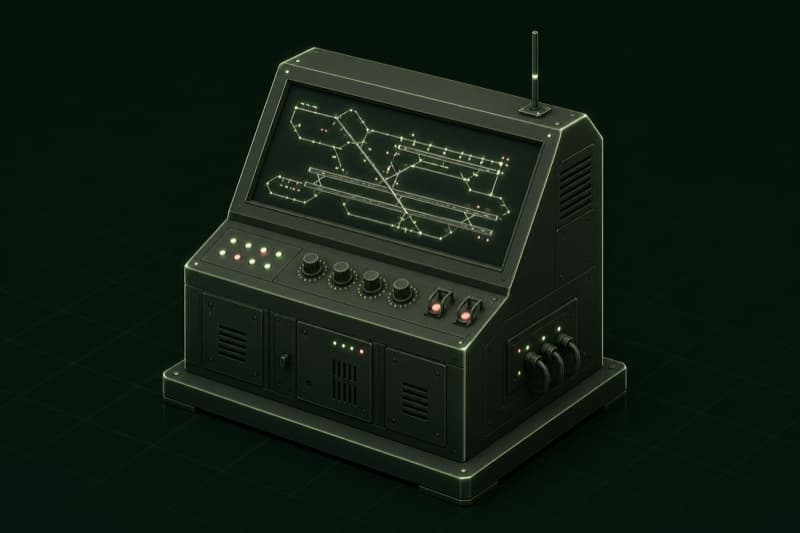
Airfield Lighting Control and Monitoring System (ALCMS)
An ALCMS is the software and control panel platform an air traffic controller uses to switch airfield lighting circuits on and off, select brightness steps, and see live fault status for every CCR and circuit from one workstation. NLS sources ALCMS platforms built to ICAO Annex 14 control requirements, integrated with the CCR equipment already on a project.
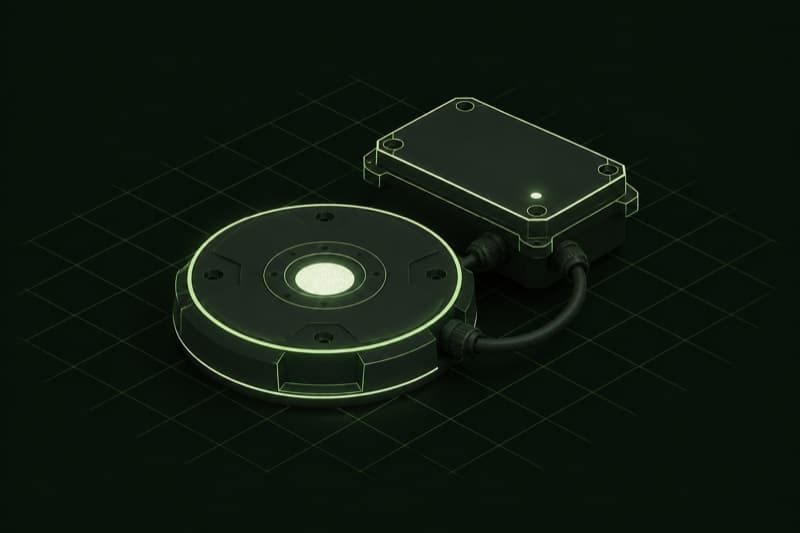
Individual Lamp Control and Monitoring System (ILCMS)
ILCMS reports and controls the status of each fixture on a series airfield lighting circuit individually, rather than only the circuit as a whole, so a controller sees exactly which runway light has failed. NLS sources ILCMS field units built to comply with ICAO Annex 14 maintenance and monitoring guidance, for Saudi airbase and heliport lighting circuits.
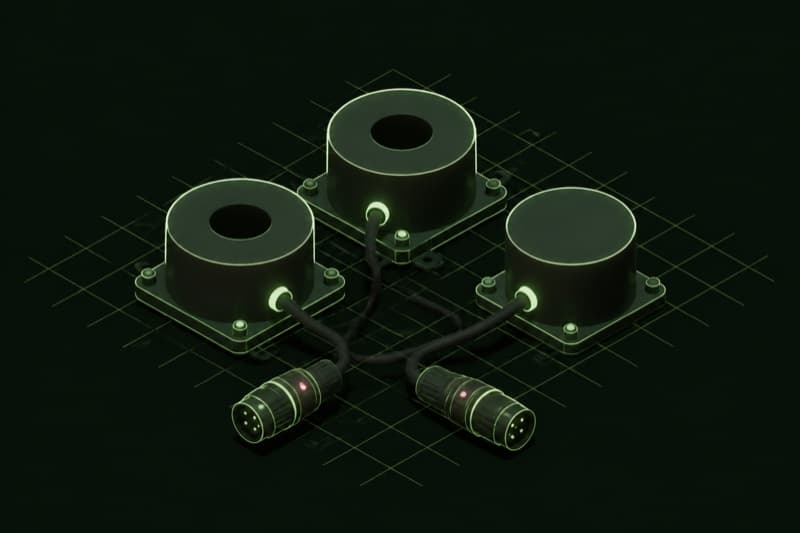
Series Isolation Transformers
A series isolation transformer connects one airfield lighting fixture to a high-voltage series circuit while keeping the fixture's own wiring isolated at low voltage, and protects the rest of the circuit if that one fixture fails or is disconnected. NLS sources isolation transformers built to FAA AC 150/5345-47 and IEC 61822, sized to fixture wattage and rated series circuit current.
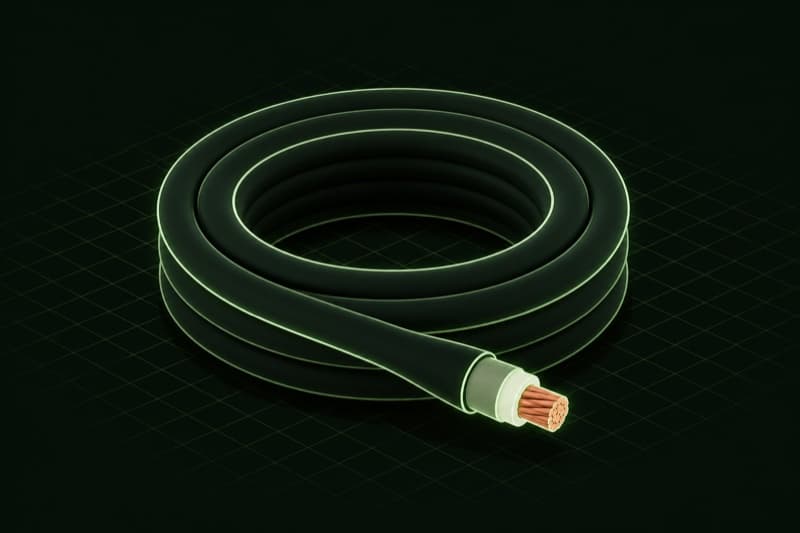
L-824 Airfield Lighting Cable
L-824 is the FAA specification for the cross-linked polyethylene insulated, direct-burial cable that carries series circuit current between the CCR, isolation transformers, and every fixture on an airfield lighting loop. NLS sources L-824 cable in the current-carrying sizes and armour options a project's circuit design and duct or direct-burial routing require, for Saudi airbase and heliport lighting projects.
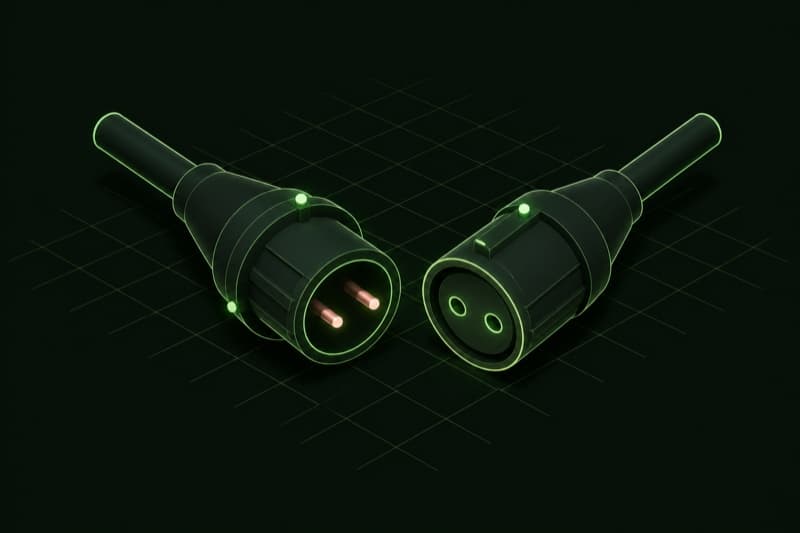
L-823 Connector Kits
L-823 connector kits are the FAA-specified, factory-molded plug and receptacle sets that join L-824 cable to airfield lighting fixtures and isolation transformers, sealed against water ingress at a below-grade or in-pavement splice point. NLS sources L-823 kits matched to cable size and current rating, supplied as part of the same series circuit package as the cable, transformers, and fixtures.
Guides
Planning a Halogen to LED Airfield Ground Lighting Conversion
How to plan a halogen to LED airfield ground lighting conversion: CCR compatibility checks, mixed-circuit operation during phasing, photometric requirements, and sequencing work without closing the runway.
Planning an Airfield Ground Lighting Project in Saudi Arabia
How to plan an airfield ground lighting project in Saudi Arabia: scoping runway, taxiway and approach systems, control and monitoring integration, halogen versus LED, phasing around live operations, and spares strategy.