
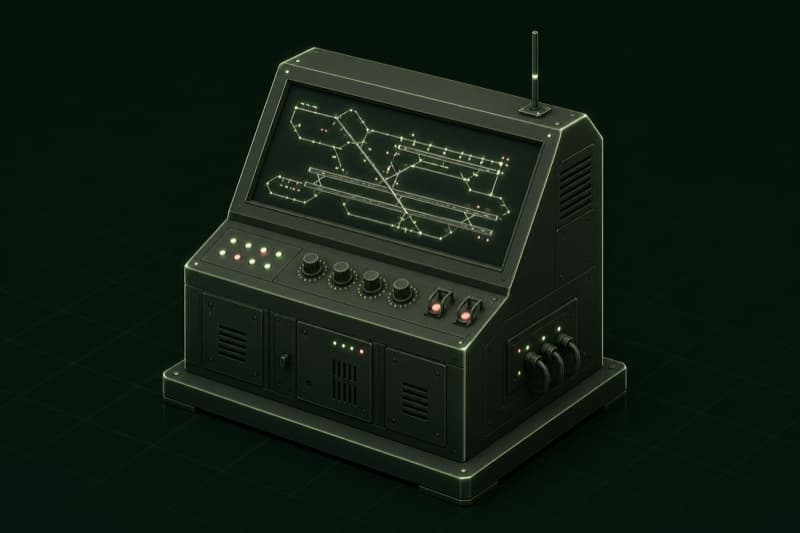
Airfield Lighting Control and Monitoring System (ALCMS)
An ALCMS is the software and control panel platform an air traffic controller uses to switch airfield lighting circuits on and off, select brightness steps, and see live fault status for every CCR and circuit from one workstation. NLS sources ALCMS platforms built to ICAO Annex 14 control requirements, integrated with the CCR equipment already on a project.
Inside the Airfield Lighting Control and Monitoring System (ALCMS)
An ALCMS is a control-room assembly, not a single box: an operator console, a communication gateway, a status mimic display, and a logging server work together so one workstation can command every CCR circuit on the airfield and see its fault state in real time.

01
Operator Console and HMI Software
The workstation and human-machine interface a controller uses to select circuits, choose a brightness step, and view live fault alarms, the single point of command for the whole airfield lighting system.

02
Communication Gateway
Translates the ALCMS commands into the serial or Ethernet-based protocol each CCR understands, and reads regulator current, voltage, and fault flags back to the console. This is the interface that must match the CCR brand actually installed.

03
Mimic Status Panel
A graphical layout of the airfield's circuits with colour-coded indicators, giving the controller an at-a-glance read of which circuit or fixture has a fault without paging through screens.

04
Data Logging and Alarm Server
Records circuit switching events, brightness step changes, and fault history over time, giving maintenance staff a trail to diagnose intermittent faults rather than relying on operator memory.

05
Uninterruptible Power Supply Module
Keeps the console, gateway, and server running through a mains interruption, so control and monitoring of the airfield lighting circuits does not drop out at the same moment power quality is already a concern.
FULLY ASSEMBLED
Airfield Lighting Control and Monitoring System (ALCMS)


| Interface type | Graphical operator workstation with colour-coded circuit and fixture status |
| Communication with CCR | Serial or Ethernet-based link, configured against the CCR make and protocol on the project |
| Fixture-level monitoring | Extends to per-fixture fault status when integrated with individual lamp control equipment |
| Redundancy | Single or dual-workstation configurations with backup power available |
| Location | Tower cab or dedicated airfield control room |
| Data logging | Circuit switching, brightness step, and fault history retained for maintenance review |
| Licensing scope | Sized to the circuit count of the licensed aerodrome or heliport it serves |
The airfield lighting control and monitoring system is the operator-facing layer that sits above the CCR and cable infrastructure actually powering the runway, taxiway, and apron lighting circuits. From the tower or a dedicated control room, an ALCMS workstation lets a controller select which circuits are energized, choose a brightness step for current visibility conditions, and see a real-time status display for every circuit, typically colour-coded to flag a circuit or individual fixture fault the moment it occurs rather than after an inspection walk.
A modern ALCMS communicates with CCR units over a serial or Ethernet-based protocol to command brightness steps and read regulator status (output current, voltage, fault flags), and where individual lamp control (ILCMS) equipment is fitted, the ALCMS extends down to per-fixture status, showing which specific light on a circuit has failed rather than only that the circuit as a whole has a fault. ICAO Annex 14 sets the operational requirement for controllable, monitorable lighting at a certified aerodrome, and GACA applies that requirement to licensed Saudi aerodromes and heliports; the ALCMS is the equipment that satisfies it.
Integration matters more than the ALCMS software alone: a control system specified without checking it can actually talk to the CCR brand and firmware already installed, or planned for installation, on a project creates a communication gap that shows up only during commissioning. NLS specs ALCMS platforms against the CCR and ILCMS equipment on the same project rather than treating control as a separate procurement line, and sources systems that meet ICAO Annex 14's control and monitoring intent for Saudi airbase and heliport projects.
A project team typically sends the airfield's circuit count, CCR make and communication protocol if already selected, and whether individual lamp monitoring is required, and NLS returns a matched ALCMS configuration with a USD quote. Retrofit projects, adding an ALCMS to an airfield with existing CCR equipment already in the ground, generally need a site compatibility check before NLS quotes, since older regulators may not support the communication protocol a new control platform expects.
Specifications
- ✓Meets ICAO Annex 14 operational requirement for controllable, monitorable airfield lighting circuits
- ✓Serial or Ethernet-based communication with CCR units for brightness step selection and status readback
- ✓Colour-coded real-time circuit and fixture fault display at the controller workstation
- ✓Extends to per-fixture status when integrated with individual lamp control (ILCMS) equipment
- ✓Configured against the specific CCR make, model, and communication protocol on each project
- ✓Tower cab, control room, or redundant dual-workstation configurations available
Frequently Asked Questions
What is an ALCMS in airfield lighting?+
ALCMS stands for airfield lighting control and monitoring system, the workstation and software platform a controller uses to switch circuits, select brightness, and see live fault status for the CCR and lighting circuits across an airfield.
Does ALCMS need to match the CCR brand already installed?+
Communication protocol compatibility between the ALCMS and the CCR units it controls matters more than brand matching alone. NLS checks this against the equipment already on a project before quoting, since a mismatch surfaces only during commissioning otherwise.
Who supplies airfield lighting control systems in Saudi Arabia?+
NLS sources ALCMS platforms built to ICAO Annex 14 control requirements, integrated with the CCR and individual lamp control equipment specified on the same project, for Saudi airbase and heliport lighting projects.
What is the role of the Operator Console and HMI Software in Airfield Lighting Control and Monitoring System (ALCMS)?+
The workstation and human-machine interface a controller uses to select circuits, choose a brightness step, and view live fault alarms, the single point of command for the whole airfield lighting system.
What is the role of the Communication Gateway in Airfield Lighting Control and Monitoring System (ALCMS)?+
Translates the ALCMS commands into the serial or Ethernet-based protocol each CCR understands, and reads regulator current, voltage, and fault flags back to the console. This is the interface that must match the CCR brand actually installed.
What is the role of the Mimic Status Panel in Airfield Lighting Control and Monitoring System (ALCMS)?+
A graphical layout of the airfield's circuits with colour-coded indicators, giving the controller an at-a-glance read of which circuit or fixture has a fault without paging through screens.
What is the role of the Data Logging and Alarm Server in Airfield Lighting Control and Monitoring System (ALCMS)?+
Records circuit switching events, brightness step changes, and fault history over time, giving maintenance staff a trail to diagnose intermittent faults rather than relying on operator memory.
What is the role of the Uninterruptible Power Supply Module in Airfield Lighting Control and Monitoring System (ALCMS)?+
Keeps the console, gateway, and server running through a mains interruption, so control and monitoring of the airfield lighting circuits does not drop out at the same moment power quality is already a concern.
Who supplies Airfield Lighting Control and Monitoring System (ALCMS) in Saudi Arabia?+
Northlane Solutions (Northlane Solutions Company) supplies Airfield Lighting Control and Monitoring System (ALCMS) across Saudi Arabia, including Riyadh, Jeddah, Dammam and Jubail. Send your specification and quantities to info@northlanesolution.com for a quotation.
Related products
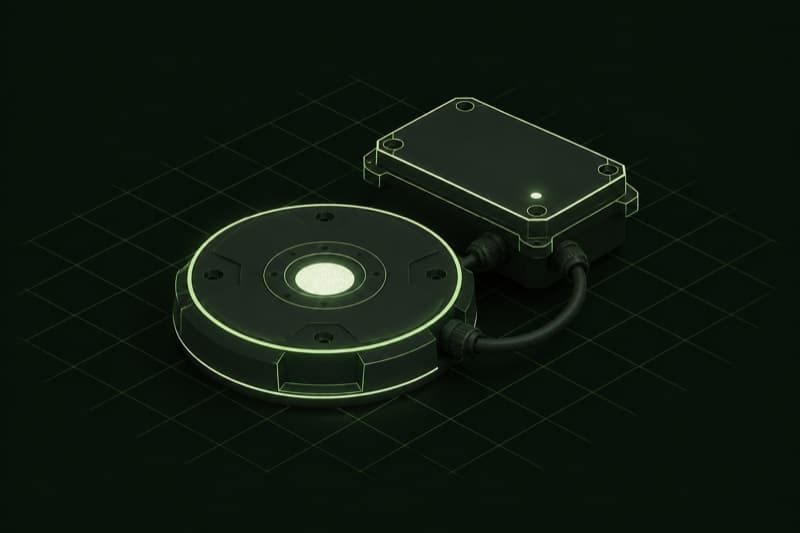
Individual Lamp Control and Monitoring System (ILCMS)
ILCMS reports and controls the status of each fixture on a series airfield lighting circuit individually, rather than only the circuit as a whole, so a controller sees exactly which runway light has failed. NLS sources ILCMS field units built to comply with ICAO Annex 14 maintenance and monitoring guidance, for Saudi airbase and heliport lighting circuits.
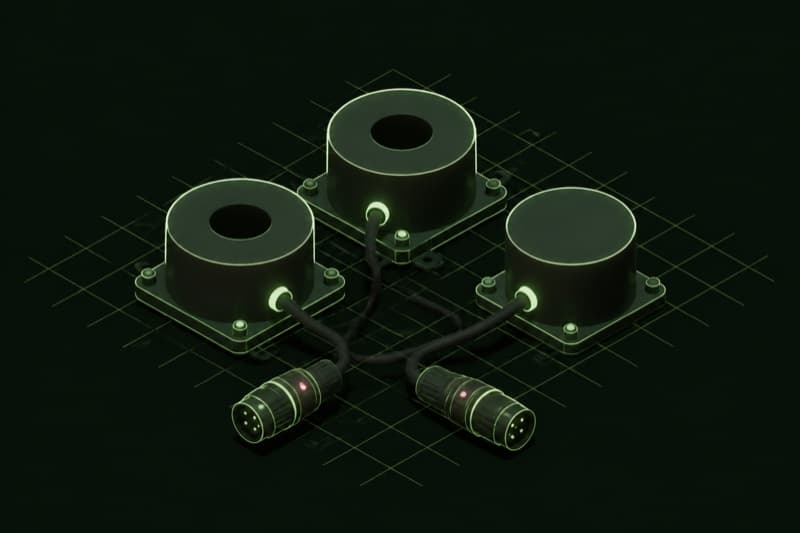
Series Isolation Transformers
A series isolation transformer connects one airfield lighting fixture to a high-voltage series circuit while keeping the fixture's own wiring isolated at low voltage, and protects the rest of the circuit if that one fixture fails or is disconnected. NLS sources isolation transformers built to FAA AC 150/5345-47 and IEC 61822, sized to fixture wattage and rated series circuit current.
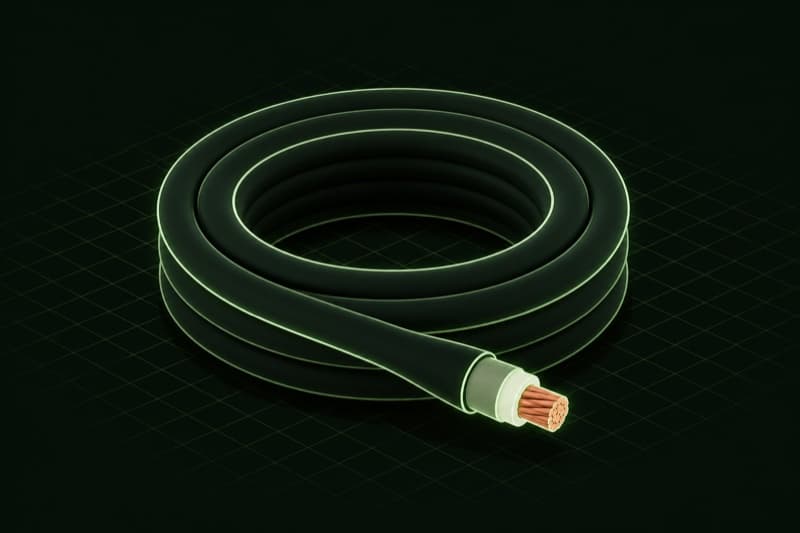
L-824 Airfield Lighting Cable
L-824 is the FAA specification for the cross-linked polyethylene insulated, direct-burial cable that carries series circuit current between the CCR, isolation transformers, and every fixture on an airfield lighting loop. NLS sources L-824 cable in the current-carrying sizes and armour options a project's circuit design and duct or direct-burial routing require, for Saudi airbase and heliport lighting projects.
L-823 Connector Kits
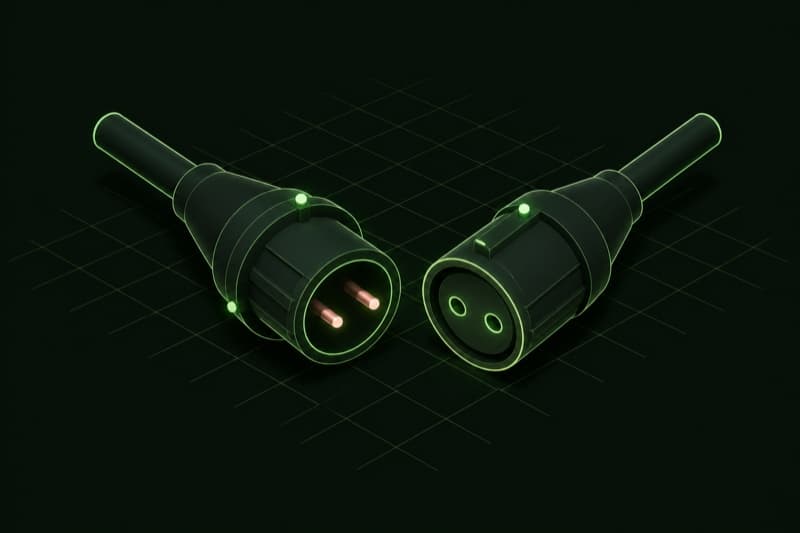
L-823 connector kits are the FAA-specified, factory-molded plug and receptacle sets that join L-824 cable to airfield lighting fixtures and isolation transformers, sealed against water ingress at a below-grade or in-pavement splice point. NLS sources L-823 kits matched to cable size and current rating, supplied as part of the same series circuit package as the cable, transformers, and fixtures.
Constant Current Regulators (CCR)
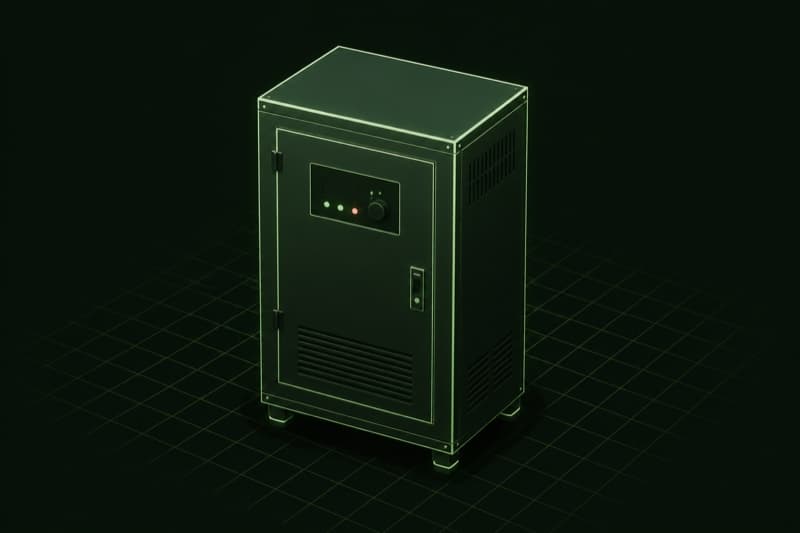
A constant current regulator (CCR) feeds a series airfield lighting circuit a fixed current, commonly 6.6A, regardless of how many fixtures are wired into the loop, so every light in the string burns at the same intensity. NLS sources CCR units built to FAA AC 150/5345-10 and IEC 61822, sized to the circuit length a project's lighting plan specifies.
Guides
Planning an Airfield Ground Lighting Project in Saudi Arabia
How to plan an airfield ground lighting project in Saudi Arabia: scoping runway, taxiway and approach systems, control and monitoring integration, halogen versus LED, phasing around live operations, and spares strategy.
What a Hospital Helipad in Saudi Arabia Actually Needs
What a Saudi hospital helipad needs to comply with GACAR Part 138: siting logic, how TLOF and FATO sizing is actually determined, lighting and marking basis, firefighting provision, and the approval path from aeronautical study to operation.
Helipad Lighting Requirements: Perimeter, Floodlighting, Beacons and Wind Cones Under ICAO
What ICAO Annex 14 Volume II and GACAR Part 138 expect from helipad lighting, covering perimeter lights, floodlighting, heliport beacons and illuminated wind cones, explained qualitatively without invented specification values.
Saudi Aviation Infrastructure Glossary: A to Z Terms Buyers Need
A practitioner glossary of the aviation infrastructure terms buyers meet on Saudi projects, covering airfield ground lighting, heliport design, obstruction lighting, arresting systems and the regulatory acronyms behind GACAR and ICAO Annex 14.