
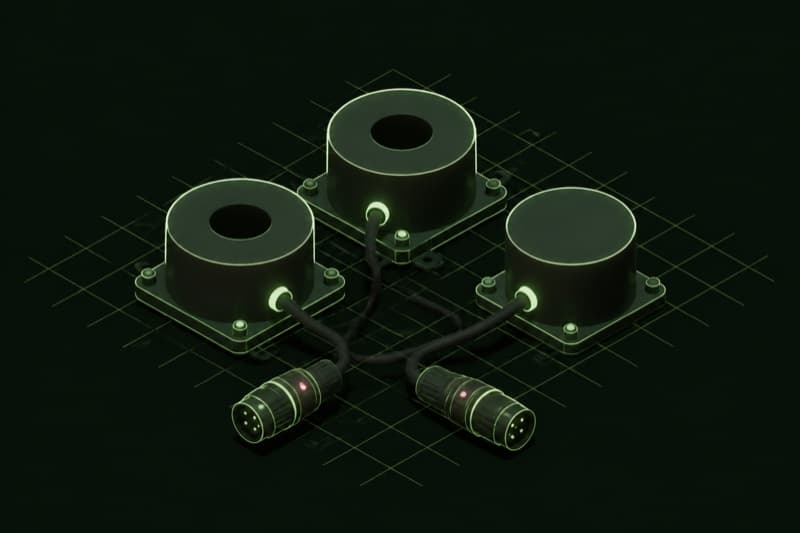
Series Isolation Transformers
A series isolation transformer connects one airfield lighting fixture to a high-voltage series circuit while keeping the fixture's own wiring isolated at low voltage, and protects the rest of the circuit if that one fixture fails or is disconnected. NLS sources isolation transformers built to FAA AC 150/5345-47 and IEC 61822, sized to fixture wattage and rated series circuit current.
Inside the Series Isolation Transformers
A series isolation transformer is a small, mostly sealed assembly with only a few real parts: two windings, a potted or oil-filled body that protects them, a housing rated for the base can environment, and the lead pairs that connect it into the circuit.

01
Primary Winding
Carries the series circuit's constant current on the loop side, rated to the circuit's current, commonly 6.6A, so it draws power from the loop without becoming the weak point in current regulation.

02
Secondary Winding
Sized to the fixture's wattage on the low-voltage side, delivering the correct power to the lamp or LED driver without under-driving or over-driving it.

03
Potted Encapsulation Body
Seals both windings inside a solid resin or oil fill, keeping moisture and dust out of the winding assembly at a below-grade base can where the transformer sits for years without inspection.

04
Outer Housing
The case that sits inside the fixture base can or an adjacent handhole, built to tolerate ground moisture, temperature swings, and the mechanical loading of the surrounding pavement structure.

05
Connector Lead Pairs
The primary and secondary pigtails that terminate in L-823 connector kits, joining the transformer to the L-824 circuit cable on one side and the fixture on the other.
FULLY ASSEMBLED
Series Isolation Transformers


| Design basis | FAA AC 150/5345-47 with IEC 61822 equivalence for ICAO-aligned specifications |
| Primary rating | Matched to the circuit's series current, commonly 6.6A |
| Secondary rating | Sized to the individual fixture wattage it feeds |
| Sealing | Potted or oil-filled construction sealed against moisture and dust ingress |
| Installation location | Fixture base can or an adjacent handhole |
| Termination | L-823 connector kits at primary and secondary leads |
| Fault behaviour | Isolates a fixture winding fault so it does not take down the rest of the series circuit |
Every fixture on a series airfield lighting circuit connects to the loop through its own isolation transformer, a small potted or oil-filled unit installed in the base can or an adjacent handhole rather than inside the fixture itself. The transformer's job is exactly what its name states: it isolates the fixture's low-voltage secondary wiring from the circuit's higher-voltage primary loop, so a technician working on a fixture's connections isn't exposed to the full series circuit voltage, and critically, if a fixture's secondary winding shorts or opens, the isolation transformer keeps that fault from taking down the rest of the circuit.
Transformer selection is a wattage and current matching exercise: the primary winding must be rated for the circuit's series current, commonly 6.6A, and the secondary winding sized to the fixture wattage it feeds, with a mismatch in either direction causing under-driving (a dim fixture) or over-driving (a shortened lamp or LED driver life) regardless of whether the fixture itself is correctly rated. FAA AC 150/5345-47 and the equivalent guidance IEC 61822 references set the electrical and construction requirements most series isolation transformers on the market are built against.
Saudi installation conditions put two additional demands on the transformer housing beyond the base electrical spec: sealed, potted units resist moisture and dust ingress into the base can or handhole better than an open winding, and the housing needs to tolerate ambient and pavement-adjacent heat without derating the transformer's rated life, a consideration that matters more on an in-pavement fixture run than an elevated one further from the hot pavement surface.
NLS supplies series isolation transformers matched to fixture wattage and circuit current as part of the same order as the fixtures, CCR, and cable for a series circuit, rather than as a separate line item requiring the buyer to cross-check compatibility themselves. A project team typically sends fixture wattage and series circuit current from the lighting plan, and NLS returns matched transformer counts and a USD quote.
Specifications
- ✓Electrical and construction requirements per FAA AC 150/5345-47, with IEC 61822 equivalence
- ✓Primary winding rated to series circuit current (commonly 6.6A); secondary matched to fixture wattage
- ✓Sealed, potted, or oil-filled construction for moisture and dust ingress resistance
- ✓Isolates fixture-level fault (short or open secondary) from taking down the rest of the circuit
- ✓Housed for base can or handhole installation adjacent to the fixture
- ✓Rated for ambient and pavement-adjacent heat exposure on in-pavement fixture runs
Frequently Asked Questions
Why does every airfield lighting fixture need its own isolation transformer?+
The isolation transformer keeps a fixture's low-voltage wiring separate from the series circuit's higher primary voltage and, if that fixture's winding fails, prevents the fault from taking down every other fixture on the same loop.
How is a series isolation transformer sized?+
The primary winding must match the circuit's series current, commonly 6.6A, and the secondary winding must match the fixture's wattage. A mismatch either under-drives or over-drives the fixture regardless of the fixture's own rating.
Who supplies series isolation transformers for airfield circuits in Saudi Arabia?+
NLS sources isolation transformers matched to fixture wattage and series circuit current, supplied alongside the fixtures, CCR, and cable for the same circuit, for Saudi airbase and heliport projects.
What is the role of the Primary Winding in Series Isolation Transformers?+
Carries the series circuit's constant current on the loop side, rated to the circuit's current, commonly 6.6A, so it draws power from the loop without becoming the weak point in current regulation.
What is the role of the Secondary Winding in Series Isolation Transformers?+
Sized to the fixture's wattage on the low-voltage side, delivering the correct power to the lamp or LED driver without under-driving or over-driving it.
What is the role of the Potted Encapsulation Body in Series Isolation Transformers?+
Seals both windings inside a solid resin or oil fill, keeping moisture and dust out of the winding assembly at a below-grade base can where the transformer sits for years without inspection.
What is the role of the Outer Housing in Series Isolation Transformers?+
The case that sits inside the fixture base can or an adjacent handhole, built to tolerate ground moisture, temperature swings, and the mechanical loading of the surrounding pavement structure.
What is the role of the Connector Lead Pairs in Series Isolation Transformers?+
The primary and secondary pigtails that terminate in L-823 connector kits, joining the transformer to the L-824 circuit cable on one side and the fixture on the other.
Who supplies Series Isolation Transformers in Saudi Arabia?+
Northlane Solutions (Northlane Solutions Company) supplies Series Isolation Transformers across Saudi Arabia, including Riyadh, Jeddah, Dammam and Jubail. Send your specification and quantities to info@northlanesolution.com for a quotation.
Related products
L-824 Airfield Lighting Cable
L-824 is the FAA specification for the cross-linked polyethylene insulated, direct-burial cable that carries series circuit current between the CCR, isolation transformers, and every fixture on an airfield lighting loop. NLS sources L-824 cable in the current-carrying sizes and armour options a project's circuit design and duct or direct-burial routing require, for Saudi airbase and heliport lighting projects.
L-823 Connector Kits
L-823 connector kits are the FAA-specified, factory-molded plug and receptacle sets that join L-824 cable to airfield lighting fixtures and isolation transformers, sealed against water ingress at a below-grade or in-pavement splice point. NLS sources L-823 kits matched to cable size and current rating, supplied as part of the same series circuit package as the cable, transformers, and fixtures.
Constant Current Regulators (CCR)
A constant current regulator (CCR) feeds a series airfield lighting circuit a fixed current, commonly 6.6A, regardless of how many fixtures are wired into the loop, so every light in the string burns at the same intensity. NLS sources CCR units built to FAA AC 150/5345-10 and IEC 61822, sized to the circuit length a project's lighting plan specifies.
Airfield Lighting Control and Monitoring System (ALCMS)
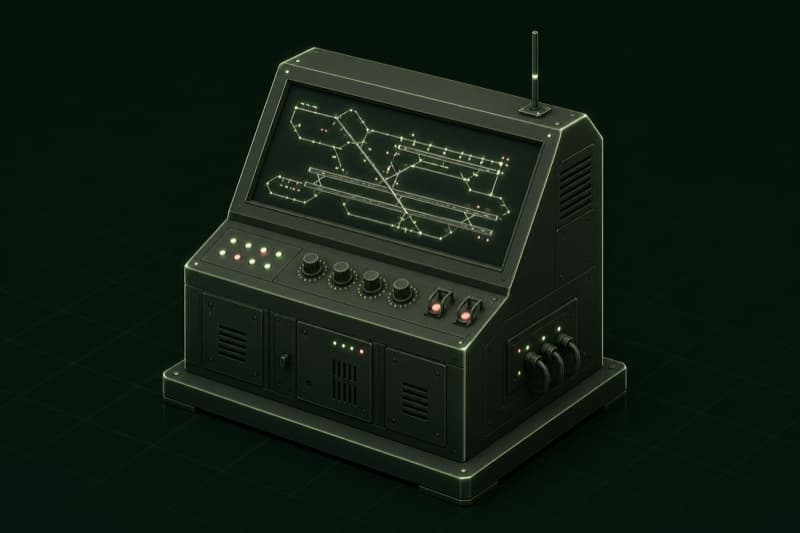
An ALCMS is the software and control panel platform an air traffic controller uses to switch airfield lighting circuits on and off, select brightness steps, and see live fault status for every CCR and circuit from one workstation. NLS sources ALCMS platforms built to ICAO Annex 14 control requirements, integrated with the CCR equipment already on a project.
Individual Lamp Control and Monitoring System (ILCMS)
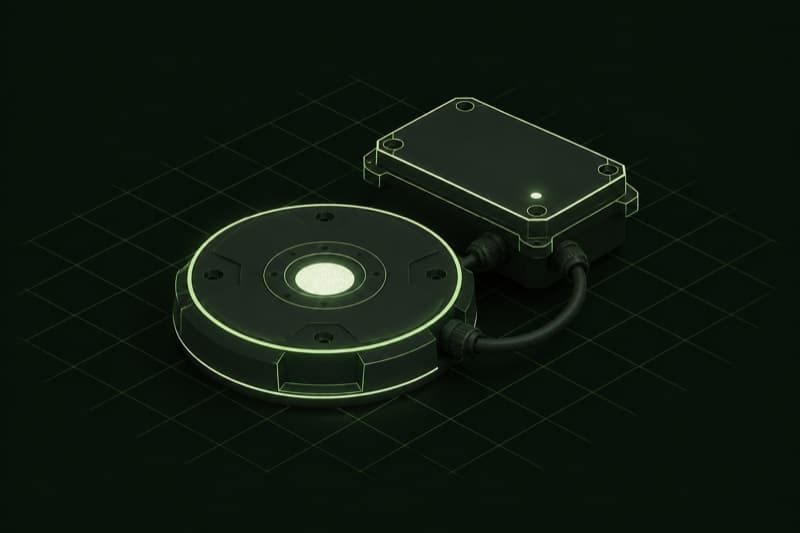
ILCMS reports and controls the status of each fixture on a series airfield lighting circuit individually, rather than only the circuit as a whole, so a controller sees exactly which runway light has failed. NLS sources ILCMS field units built to comply with ICAO Annex 14 maintenance and monitoring guidance, for Saudi airbase and heliport lighting circuits.