
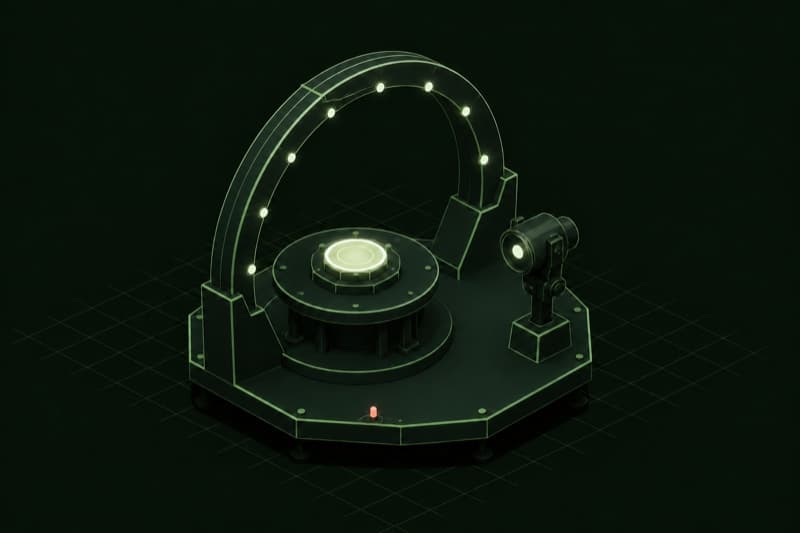
Photometric Testing
Photometric testing measures a runway, taxiway, or heliport lighting system's actual light intensity and colour against the values ICAO Annex 14 requires, since a fixture can look fine and still under-perform after years of lens ageing or CCR drift. NLS runs mobile photometric survey and reports results against the applicable standard for the licence file.
A runway or taxiway light can pass a visual inspection, it turns on, the lens is intact, and still be well under the light intensity ICAO Annex 14 requires for its fixture class, because a lens degrades optically before it looks visibly damaged, and a CCR's output can drift downward gradually without tripping any alarm. Photometric testing exists to catch exactly that gap, measuring actual candela output, beam spread, and colour against the fixture's rated class rather than relying on a visual pass/fail check.
The survey is usually run with a mobile photometric measurement unit driven or flown along the runway, taxiway, or apron at a set speed and distance, capturing intensity readings across the full length of each circuit rather than spot-checking a sample of fixtures. Results compare against ICAO Annex 14 Volume I's minimum intensity values by fixture class (runway edge, threshold, PAPI, taxiway centerline), and the report flags any fixture or circuit segment reading below the required threshold for replacement or CCR adjustment.
Heliport photometric testing follows the same logic against ICAO Annex 14 Volume II values for TLOF and FATO fixtures, and against CAP 437 for offshore helidecks, with fixture counts small enough that testing typically covers every fixture on the pad rather than a circuit-length survey.
Regulators generally expect a periodic photometric survey as part of an airfield or heliport's ongoing licence renewal file, distinct from the routine visual maintenance inspection that a maintenance contract covers day to day. The two services complement each other: maintenance keeps fixtures visually and electrically serviceable between surveys, and periodic photometric testing confirms the system is still delivering the light output the licence assumes, catching the slow optical and electrical drift that a visual check alone can't detect.
A project team typically shares the airfield or heliport's fixture inventory, circuit layout, and the licence renewal date the survey needs to support, and NLS schedules the survey and returns a report formatted against the applicable ICAO Annex 14 volume or CAP 437 requirement, with findings the client can submit directly into their compliance file.
Specifications
- ✓Mobile photometric measurement covering full circuit length, not fixture sampling
- ✓Results compared against ICAO Annex 14 Volume I minimum intensity values by fixture class
- ✓Heliport testing referenced against ICAO Annex 14 Volume II or CAP 437, covering every fixture on the pad
- ✓Report flags below-threshold fixtures or circuit segments for replacement or CCR adjustment
- ✓Distinct from, and complementary to, routine visual maintenance inspection
- ✓Report format aligned to the airfield or heliport's licence renewal documentation requirement
Frequently Asked Questions
Why does airfield lighting need photometric testing if fixtures look fine?+
A lens can degrade optically and a CCR's output can drift downward without either showing up in a visual check, so a fixture can look fine and still be under the light intensity ICAO Annex 14 requires for its class. Photometric testing measures the actual output rather than relying on appearance.
How often does an airfield need a photometric survey for licence renewal?+
The interval is set by the regulator's licence renewal cycle for the specific airfield or heliport rather than a universal fixed period. NLS schedules the survey against the client's actual renewal date and licence file requirement.
Who performs airfield and heliport photometric testing in Saudi Arabia?+
NLS runs mobile photometric survey for runway, taxiway, apron, and heliport lighting, reporting against ICAO Annex 14 Volume I or Volume II, or CAP 437 for offshore helidecks, with results formatted for the client's licence renewal file.
Who supplies Photometric Testing in Saudi Arabia?+
Northlane Solutions (Northlane Solutions Company) supplies Photometric Testing across Saudi Arabia, including Riyadh, Jeddah, Dammam and Jubail. Send your specification and quantities to info@northlanesolution.com for a quotation.
Related products

AGL Maintenance Contracts
AGL maintenance contracts cover the scheduled preventive checks and corrective repair response that keep runway, taxiway, and apron lighting circuits within ICAO Annex 14 and GACAR Part 139 serviceability limits between inspections. NLS structures these as a fixed scope of visits, fault response, and reporting, sized to the airfield's fixture count and circuit layout.
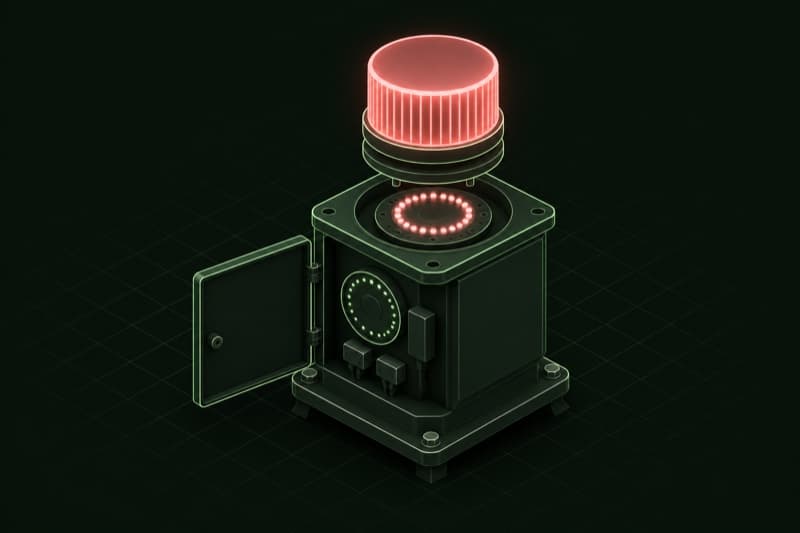
Obstruction Light Maintenance
Obstruction light maintenance keeps beacons mounted on towers, cranes, chimneys, and tall structures functioning to ICAO Annex 14 visibility and flash-pattern requirements, since a dark beacon on a controlled obstacle is a reportable safety gap, not a cosmetic fault. NLS runs scheduled inspection and fault-response visits, sized to beacon count and any GPS monitoring setup.
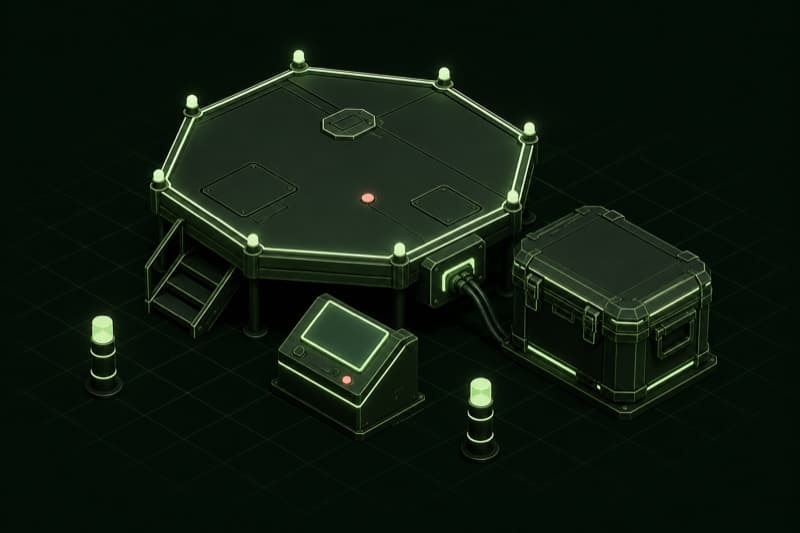
Heliport Maintenance Contracts
Heliport maintenance contracts cover the scheduled checks and fault response that keep a helideck or ground-level heliport's lighting, markings, and wind indicator operating within ICAO Annex 14 Volume II and CAP 437 (for offshore helidecks) serviceability limits between full inspections. NLS scopes these against the heliport's actual fixture set and traffic level rather than a fixed generic visit list.
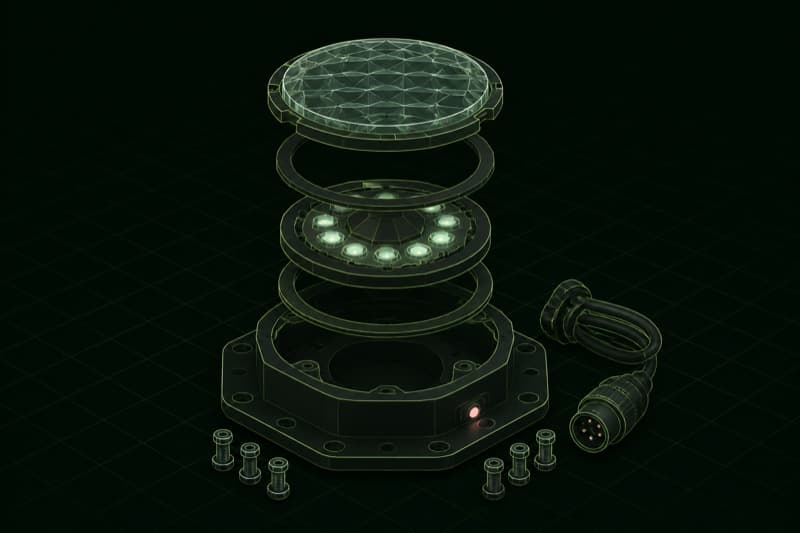
AGL Spare Parts
AGL spare parts covers replacement fixtures, lenses, LED modules, constant current regulators, isolating transformers, and connector kits sourced to match an airfield's existing lighting system exactly, so a repair restores original photometric and electrical performance rather than introducing a mismatched component. NLS sources these from established international aviation lighting OEMs against the fixture make, model, and circuit rating already installed.
Guides
Planning a Halogen to LED Airfield Ground Lighting Conversion
How to plan a halogen to LED airfield ground lighting conversion: CCR compatibility checks, mixed-circuit operation during phasing, photometric requirements, and sequencing work without closing the runway.
PAPI Systems Explained: How Four Light Units Guide an Approach
What a PAPI system is, how its four light units signal approach slope, the siting and calibration basics that determine accuracy, and the recurring maintenance obligations that keep it airworthy.
Obstruction Light Types in Saudi Arabia: Low, Medium and High Intensity Explained
How to choose between low, medium and high intensity obstruction lights for towers, cranes and tall buildings in Saudi Arabia, day and night modes, and when each type applies under ICAO Annex 14.
Helipad Lighting Requirements: Perimeter, Floodlighting, Beacons and Wind Cones Under ICAO
What ICAO Annex 14 Volume II and GACAR Part 138 expect from helipad lighting, covering perimeter lights, floodlighting, heliport beacons and illuminated wind cones, explained qualitatively without invented specification values.