
Posted on 2026-03-28
Obstruction Light Types in Saudi Arabia: Low, Medium and High Intensity Explained
Choosing the wrong obstruction light for a tower, crane or tall building in Saudi Arabia is a common and expensive mistake. Get the intensity category wrong and a project either under-marks a real hazard to aircraft or over-specifies equipment nobody asked for, drawing complaints about light pollution near residential areas or airports. The category is not a design preference. It follows from the structure's height, its distance from an aerodrome, and where it sits inside controlled airspace.
Why intensity category comes before product choice
ICAO Annex 14 groups obstruction lights into low, medium and high intensity types, and the aeronautical study for a given structure determines which type applies, not the other way around. A structure's height above ground, its height above the surrounding terrain, and its proximity to an aerodrome's approach and departure surfaces all feed into that determination. Two towers of similar height in different locations can end up with different obstruction lighting outcomes because one sits under an approach path and the other does not. This is why the assessment has to happen before equipment gets ordered, not after.
Low intensity: the default for lower, less critical structures
Low intensity obstruction lights are steady red lights used on structures that present a lower collision risk, typically lower masts, smaller rooftop structures, and obstacles further from aerodrome operations. They run continuously through the night and are not normally required to operate in daylight. Because they are steady rather than flashing, they read clearly at night without the visual clutter a flashing light creates on a structure that does not need the extra emphasis. Low intensity is also the category most often paired with dual lighting schemes on structures where a taller companion light handles daytime marking.
Medium intensity: the middle tier for taller structures
Medium intensity lights sit between low and high in both output and application, and Annex 14 further splits this tier into types that flash white by day and either flash white or show steady red by night, depending on which medium intensity type the aeronautical study assigns. Towers, tall cranes on active construction sites, and structures that exceed the height thresholds for low intensity marking but fall short of what triggers high intensity requirements typically land here. Medium intensity is also common on structures near, but not directly inside, the most critical approach and departure surfaces, where visibility needs to be stronger than a steady red light provides without escalating to the highest category.
High intensity: reserved for the tallest and most critical obstacles
High intensity obstruction lights flash white and are reserved for the tallest structures and those posing the most significant hazard to aircraft, commonly very tall towers, chimneys and similarly prominent obstacles in or near busy terminal airspace. Because they flash white in daylight as well as at night, high intensity systems are the most visually assertive category, and Annex 14 restricts their use to cases that genuinely warrant it rather than treating them as a default upgrade. High intensity installations also carry stricter positioning and spacing requirements along the structure, since a single high intensity light is doing more of the collision-avoidance work than a chain of lower intensity units would.
Day and night modes are part of the specification, not an afterthought
Several obstruction light types change behavior between day and night, switching from a flashing white day mode to a steady red or flashing red night mode, or in some configurations running one intensity level in daylight and a lower one after dark to avoid over-lighting the surrounding area at night. Photocell or ambient light sensing controls this switch automatically on a properly specified system, so the structure is neither under-marked in bright daylight glare nor an unnecessary beacon over a quiet nighttime skyline. Getting this switching logic right matters as much as picking the base intensity category, because a light that stays in day mode after dark, or vice versa, fails the same aeronautical study it was meant to satisfy.
Cranes need a different conversation than fixed towers
Construction cranes complicate obstruction lighting because their height, position and duration on site all change during the project. A tower crane erected for eighteen months near an aerodrome boundary needs the same category assessment as a permanent structure of the same height, but the equipment has to handle mounting on a mast that will be raised in stages, relocated, and eventually dismantled. Site teams sometimes treat crane lighting as a temporary afterthought bolted on late, which is exactly when a missed Annex 14 requirement turns into a stop-work order from the civil aviation authority partway through a build.
Getting the category right the first time
The practical fix is to run the aeronautical study, or confirm which category an existing study already assigned, before specifying equipment rather than after. Northlane Solutions supplies obstruction lighting engineered to ICAO Annex 14 across low, medium and high intensity categories for towers, cranes, buildings and industrial structures throughout Saudi Arabia, with day and night mode switching built into the control gear rather than added on site. The three intensity categories have their own pages: Low Intensity Obstruction Lights, Medium Intensity Obstruction Lights and High Intensity Obstruction Lights.
FAQ
Q: How do I know whether my tower needs low, medium or high intensity obstruction lights? A: The category comes from an aeronautical study that weighs the structure's height, its height relative to surrounding terrain, and its position relative to an aerodrome's approach and departure surfaces, following ICAO Annex 14. There is no fixed height number that applies everywhere in Saudi Arabia regardless of location, since a structure's proximity to controlled airspace can push it into a higher category even at a height that would otherwise call for a lower one.
Q: Do obstruction lights need to run during the day as well as at night? A: It depends on the category. Low intensity obstruction lights are generally steady red and used at night only. Medium and high intensity types commonly include a flashing white day mode that switches to a red or lower-intensity night mode, controlled automatically so the structure is properly marked in both conditions without needing a switch to be flipped by hand.
Q: Do construction cranes need obstruction lighting even if they are only on site temporarily? A: Yes, if the crane's height and location meet the same thresholds that would require lighting on a permanent structure. A crane's temporary status does not exempt it from Annex 14 marking requirements, and the equipment needs to work with a mast that gets raised, relocated and dismantled over the project's duration rather than assuming a fixed, permanent installation.
Q: Can one structure need more than one obstruction light type at the same time? A: Yes. Taller structures often combine intensity categories at different heights along the same structure, or pair a lower intensity marking scheme partway up with a higher intensity type at the top, depending on what the aeronautical study specifies for that particular height and location.
Related products
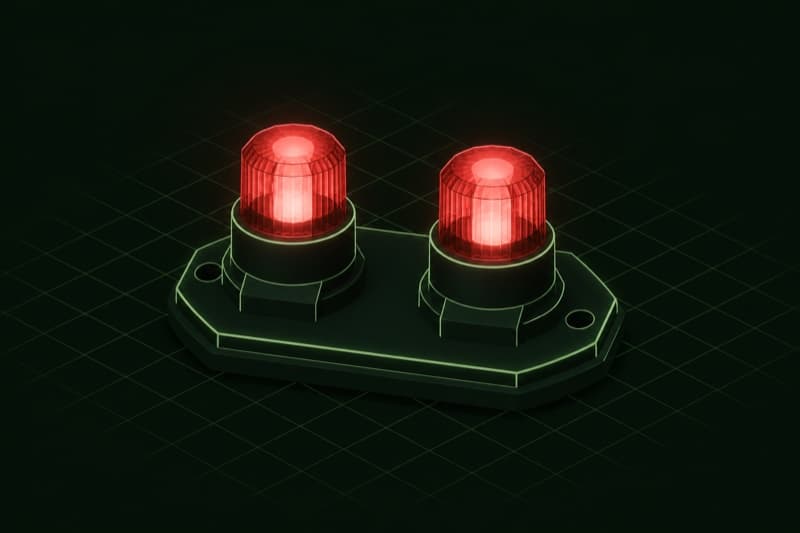
Low Intensity Obstruction Lights
Low intensity obstruction lights are fixed red beacons mounted on structures below roughly 45 metres, marking towers, cranes, rooftops and stacks for night visibility, specified under the low intensity obstruction light provisions of ICAO Annex 14 Volume I. NLS supplies and installs these fixtures across Saudi Arabia sourced from established international aviation lighting manufacturers.
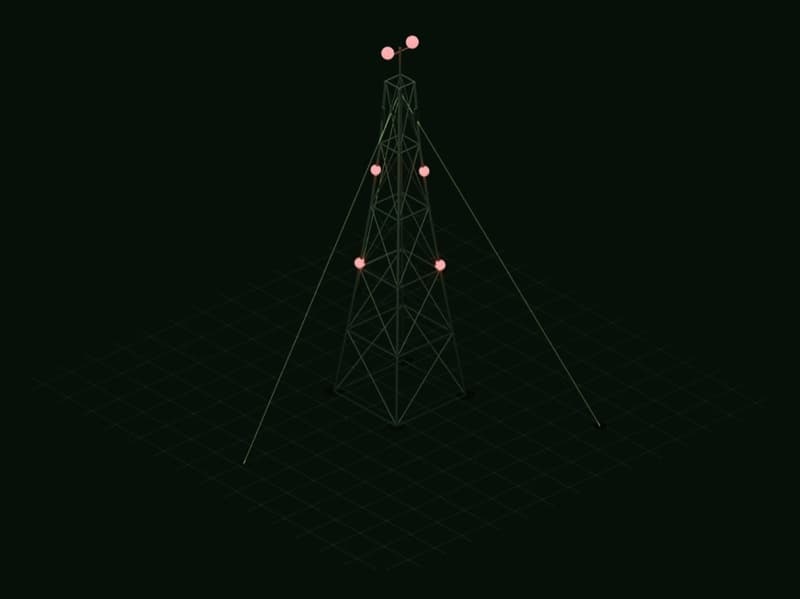
Medium Intensity Obstruction Lights
Medium intensity obstruction lights are flashing red or white beacons for structures roughly 45 to 150 metres tall, giving pilots earlier warning of towers, chimneys and elevated buildings, class selected by the aeronautical study under ICAO Annex 14 Volume I. NLS supplies and installs medium intensity systems throughout Saudi Arabia as part of turnkey obstruction lighting packages.
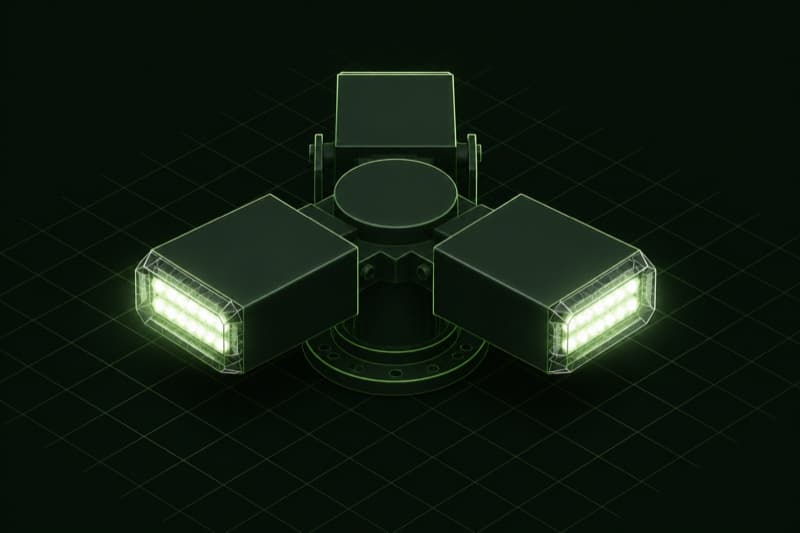
High Intensity Obstruction Lights
High intensity obstruction lights are powerful white flashing beacons for the tallest structures, transmission towers, tall buildings and offshore platforms, marking them under the high intensity provisions of ICAO Annex 14 Volume I, class set by the aeronautical study, so they remain visible by day and night from long range. NLS supplies and installs high intensity systems in Saudi Arabia.
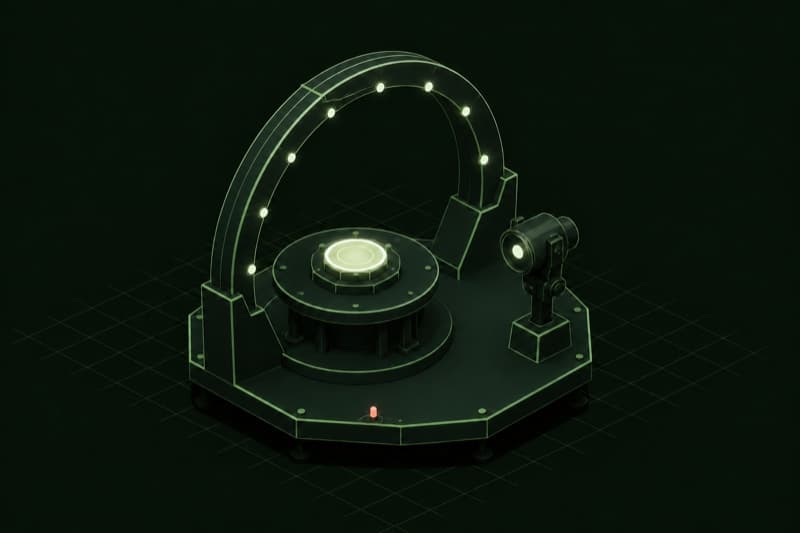
Photometric Testing
Photometric testing measures a runway, taxiway, or heliport lighting system's actual light intensity and colour against the values ICAO Annex 14 requires, since a fixture can look fine and still under-perform after years of lens ageing or CCR drift. NLS runs mobile photometric survey and reports results against the applicable standard for the licence file.