
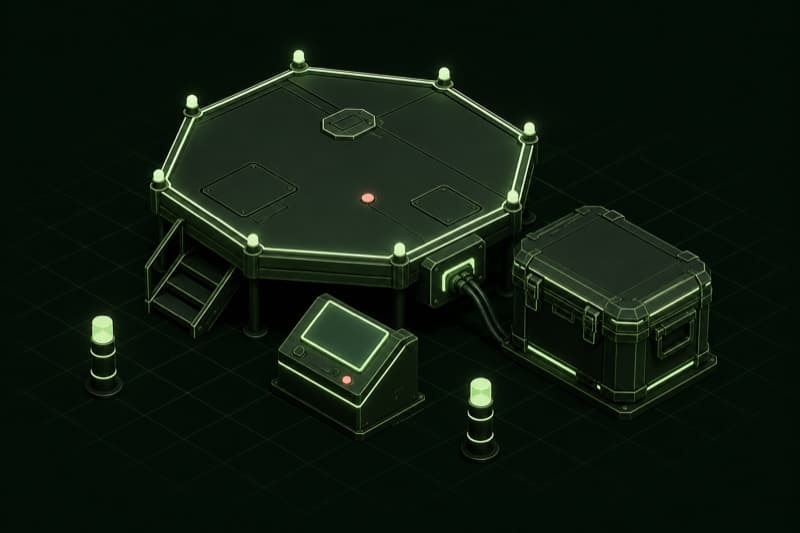
Heliport Maintenance Contracts
Heliport maintenance contracts cover the scheduled checks and fault response that keep a helideck or ground-level heliport's lighting, markings, and wind indicator operating within ICAO Annex 14 Volume II and CAP 437 (for offshore helidecks) serviceability limits between full inspections. NLS scopes these against the heliport's actual fixture set and traffic level rather than a fixed generic visit list.
A heliport's serviceability rests on a smaller fixture set than a fixed-wing airfield, but each fixture on it carries more weight per unit. A TLOF perimeter light, an FATO edge marking, an approach path indicator, or the windsock and its illumination all sit close enough together that a single failed unit is visible to a pilot on short final in a way a single edge light out on a long runway usually isn't. That's the operating reality NLS builds heliport maintenance contracts around.
The scope typically covers TLOF and FATO perimeter and edge lighting, heliport identification markings and their retroreflective or illuminated condition, wind direction indicator function and illumination, and, where fitted, approach path indicator units. Ground-level heliports at hospitals, corporate sites, and industrial facilities reference ICAO Annex 14 Volume II and, in Saudi Arabia, GACA's own heliport standards; offshore and elevated helidecks additionally reference CAP 437 for the deck's specific marking and lighting requirements. NLS structures each contract's checklist against whichever standard actually governs the site rather than applying a single template across both categories.
Hospital heliports carry a particular urgency inside this category. A helicopter emergency medical services flight doesn't reschedule around a maintenance gap, so a hospital heliport contract typically specifies a tighter fault-response window and, where the client's operating model calls for it, an on-call arrangement rather than a standard business-hours callout. NLS already supplies into hospital infrastructure projects in Saudi Arabia and treats a hospital heliport's maintenance scope with that same urgency.
Wind indicator maintenance deserves its own line inside a heliport contract because it fails in a way that's easy to miss visually. A windsock loses shape and responsiveness gradually as fabric wears, well before it looks obviously torn, and its illumination for night operations follows the same lens and LED wear pattern as any other outdoor fixture under Saudi heat and dust. A scheduled check catches that fabric fatigue before a pilot has to make a judgment call on wind direction from a sock that's no longer reading true.
A project team typically shares the heliport's fixture layout, governing standard (Annex 14 Volume II or CAP 437), and operating profile (scheduled traffic or emergency response), and NLS proposes a contract scope, visit cadence, and fault-response window with a quote. Contracts extend naturally from NLS's turnkey heliport lighting and marking supply and installation work.
Specifications
- ✓Scope: TLOF/FATO perimeter and edge lighting, heliport markings, wind indicator function and illumination, approach path indicator where fitted
- ✓Governing standard applied per site type: ICAO Annex 14 Volume II for ground heliports, CAP 437 for offshore/elevated helidecks
- ✓Fault-response window sized to operating profile, tighter for hospital/emergency-response heliports
- ✓Wind sock fabric condition and responsiveness checked on cycle, separate from illumination fixture condition
- ✓Fixture, marking, and fault history recorded per visit for regulator and client audit
- ✓Contract cadence matched to Saudi heat, dust, and (for offshore decks) salt exposure
Frequently Asked Questions
What's covered under a heliport maintenance contract?+
TLOF and FATO lighting and markings, wind indicator function and illumination, and approach path indicator units where fitted, checked on a schedule against ICAO Annex 14 Volume II or CAP 437, with a fault-response service between visits.
Do hospital heliports need a different maintenance contract than a corporate helipad?+
The fixture scope is similar, but the fault-response window usually isn't. A hospital heliport supporting emergency medical flights typically specifies a tighter response time, and sometimes an on-call arrangement, since a maintenance gap can't wait for the next scheduled flight.
Who maintains helideck lighting and markings in Saudi Arabia?+
NLS structures heliport maintenance contracts covering lighting, markings, and wind indicators against ICAO Annex 14 Volume II or CAP 437, for hospital, corporate, and offshore heliports, alongside its turnkey heliport lighting supply and installation work in Saudi Arabia.
Who supplies Heliport Maintenance Contracts in Saudi Arabia?+
Northlane Solutions (Northlane Solutions Company) supplies Heliport Maintenance Contracts across Saudi Arabia, including Riyadh, Jeddah, Dammam and Jubail. Send your specification and quantities to info@northlanesolution.com for a quotation.
Related products
AGL Spare Parts
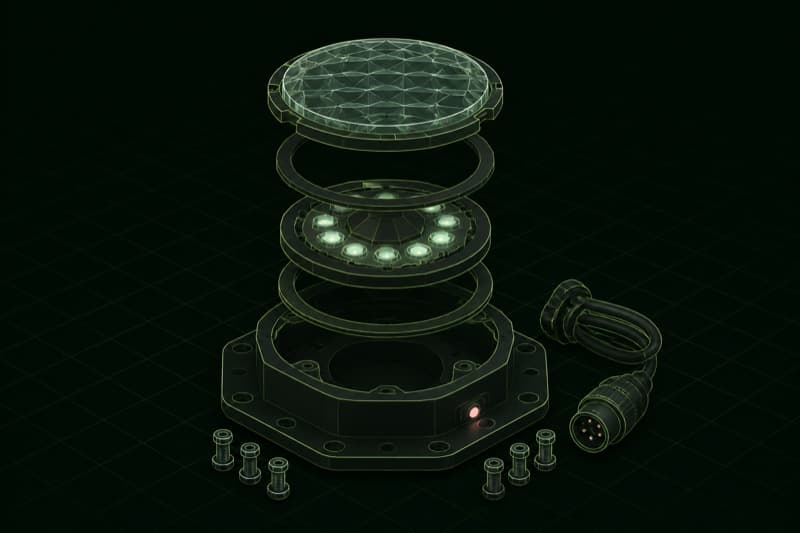
AGL spare parts covers replacement fixtures, lenses, LED modules, constant current regulators, isolating transformers, and connector kits sourced to match an airfield's existing lighting system exactly, so a repair restores original photometric and electrical performance rather than introducing a mismatched component. NLS sources these from established international aviation lighting OEMs against the fixture make, model, and circuit rating already installed.
Photometric Testing
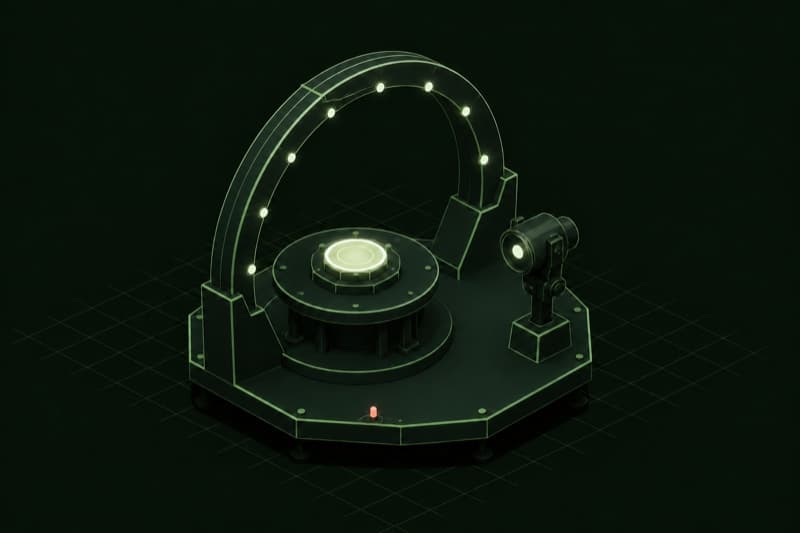
Photometric testing measures a runway, taxiway, or heliport lighting system's actual light intensity and colour against the values ICAO Annex 14 requires, since a fixture can look fine and still under-perform after years of lens ageing or CCR drift. NLS runs mobile photometric survey and reports results against the applicable standard for the licence file.

AGL Maintenance Contracts
AGL maintenance contracts cover the scheduled preventive checks and corrective repair response that keep runway, taxiway, and apron lighting circuits within ICAO Annex 14 and GACAR Part 139 serviceability limits between inspections. NLS structures these as a fixed scope of visits, fault response, and reporting, sized to the airfield's fixture count and circuit layout.
Obstruction Light Maintenance
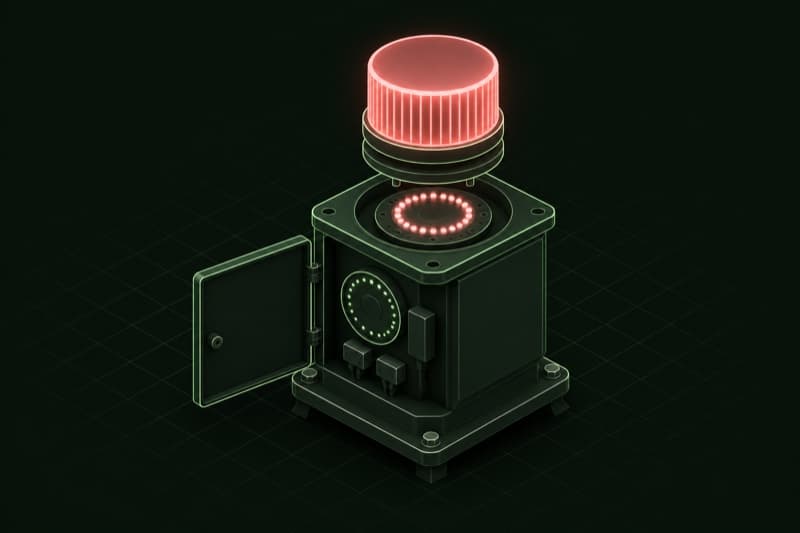
Obstruction light maintenance keeps beacons mounted on towers, cranes, chimneys, and tall structures functioning to ICAO Annex 14 visibility and flash-pattern requirements, since a dark beacon on a controlled obstacle is a reportable safety gap, not a cosmetic fault. NLS runs scheduled inspection and fault-response visits, sized to beacon count and any GPS monitoring setup.
Guides
Offshore Helideck Requirements Under CAP 437: What Operators Need to Know
What CAP 437 actually requires on an offshore helideck: perimeter lighting, status lights, friction, drainage, net versus no-net deck design, and the inspection routine that keeps a deck operational.
What a Hospital Helipad in Saudi Arabia Actually Needs
What a Saudi hospital helipad needs to comply with GACAR Part 138: siting logic, how TLOF and FATO sizing is actually determined, lighting and marking basis, firefighting provision, and the approval path from aeronautical study to operation.
How Heliport Approval Works in Saudi Arabia Under GACAR Part 138
How GACAR Part 138 heliport approval works in Saudi Arabia: who applies, what an aeronautical study covers, the forms involved, and the typical gates a project moves through before an operator can use a helipad.
GACA Heliport Approval: What Building Owners Should Expect
What a building owner should expect from the GACA heliport approval journey under GACAR Part 138: who applies, the aeronautical study, documentation, inspection, and what makes approvals stall.