
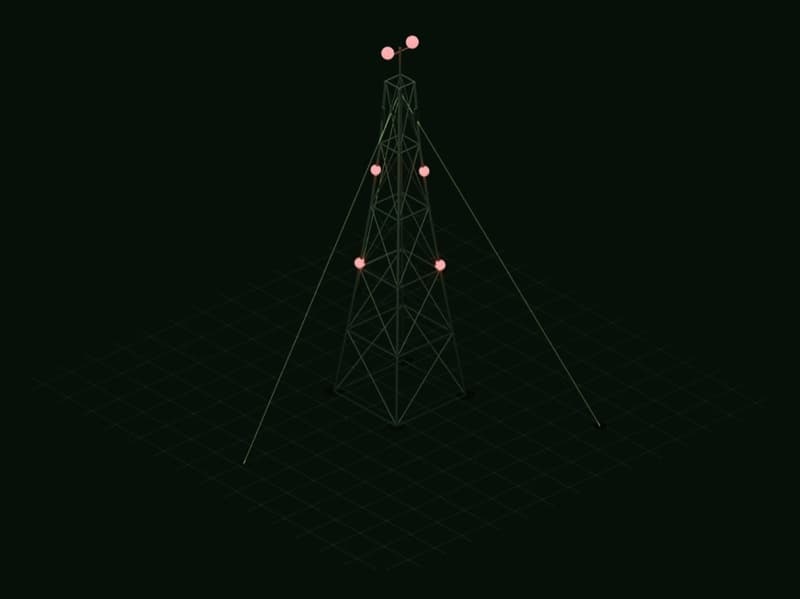
Medium Intensity Obstruction Lights
Medium intensity obstruction lights are flashing red or white beacons for structures roughly 45 to 150 metres tall, giving pilots earlier warning of towers, chimneys and elevated buildings, class selected by the aeronautical study under ICAO Annex 14 Volume I. NLS supplies and installs medium intensity systems throughout Saudi Arabia as part of turnkey obstruction lighting packages.
Inside the Medium Intensity Obstruction Lights
Download technical datasheet (PDF)A medium intensity obstruction light assembly combines a high output LED head with a controller that governs flash or steady-burn timing, colour and day or night switching. Together these parts give tall structures a warning signal that stays visible from a distance and adjusts automatically as ambient light changes.

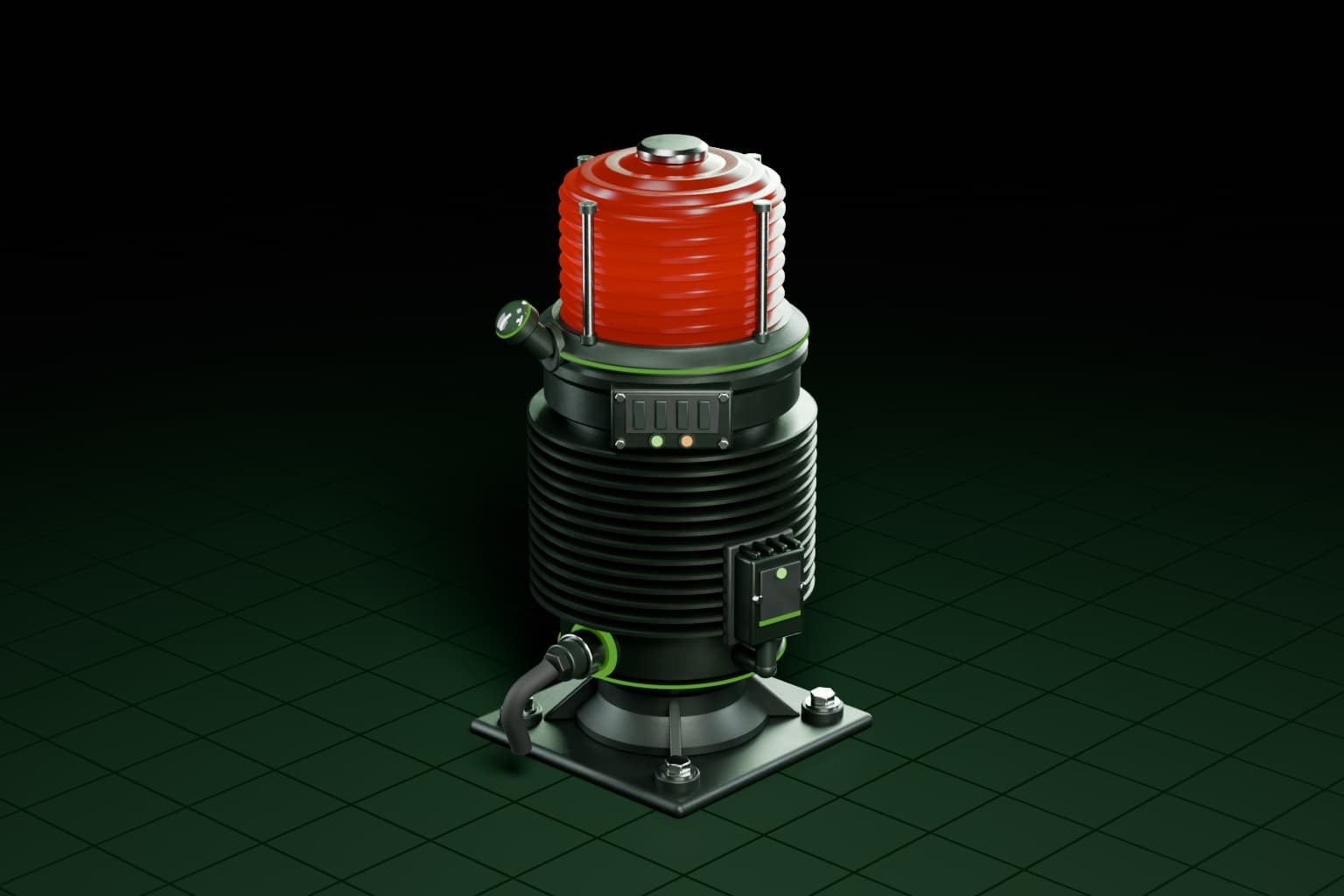
01
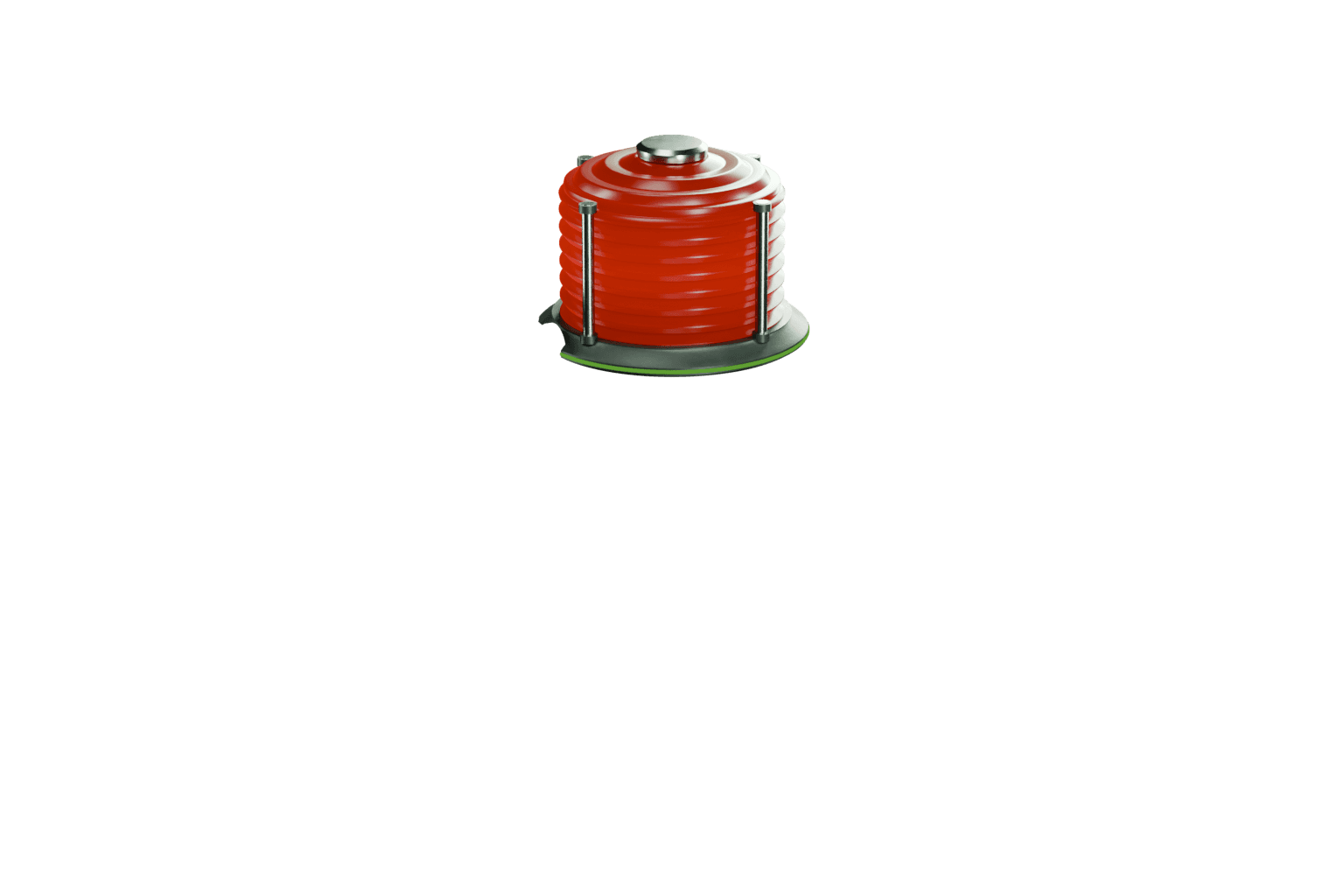
LED Optical Head
Produces the flashing or steady red or white output at the intensity required by the structure's classification. The optical design concentrates the beam so the signal remains legible against sky glare and at the required viewing angles.
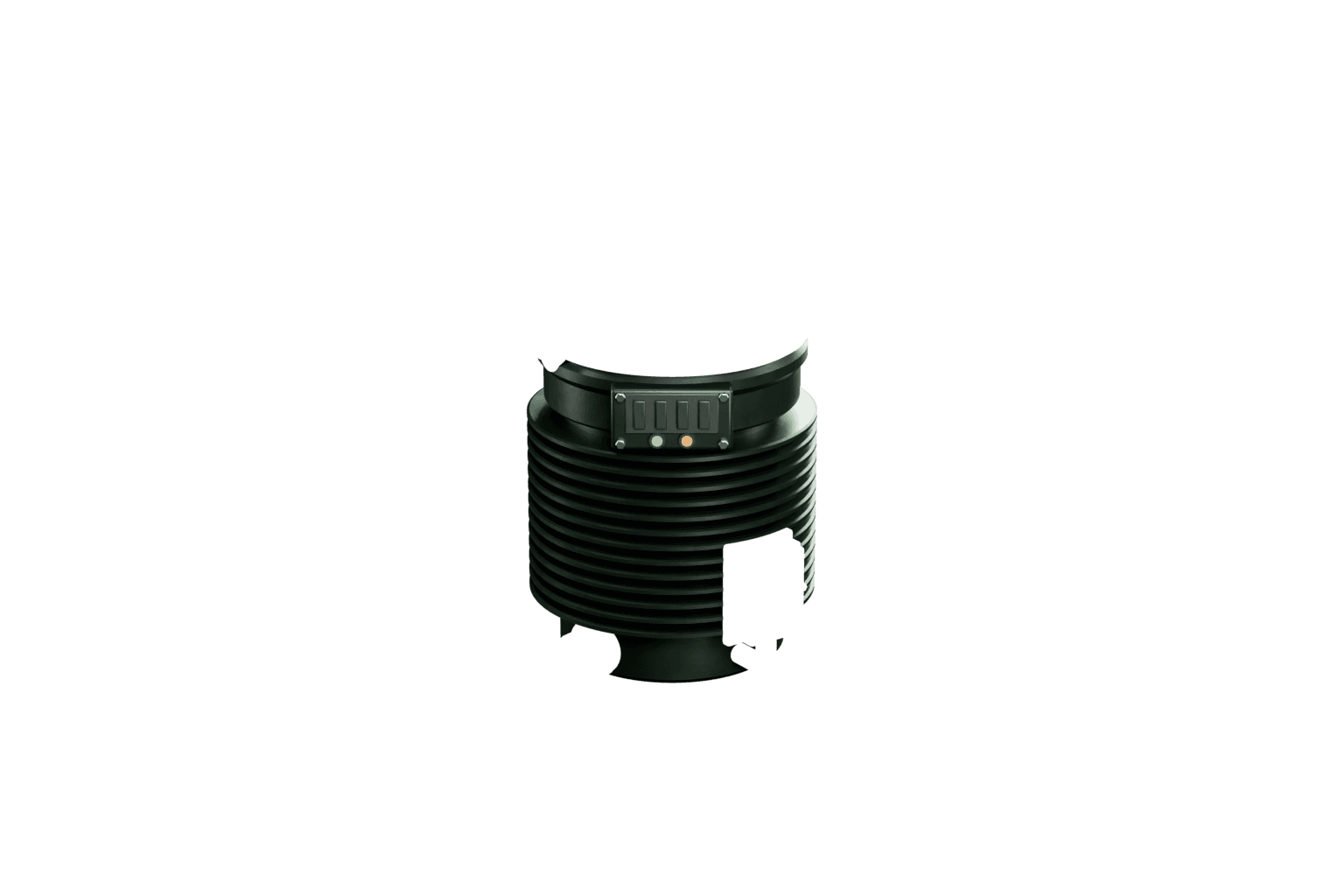
02
Flash and Mode Controller
Sets the flash rate where the classification calls for a flashing type, and synchronises timing where multiple beacons mark the same structure, so the lighting pattern reads consistently to an approaching aircraft. It also manages the switch between day and night output levels where the classification requires it.
03
Photocell Sensor
Detects ambient light level and signals the controller to switch between day and night operating modes without manual intervention. This keeps the fixture compliant with dual-mode classifications through changing daylight and weather conditions.
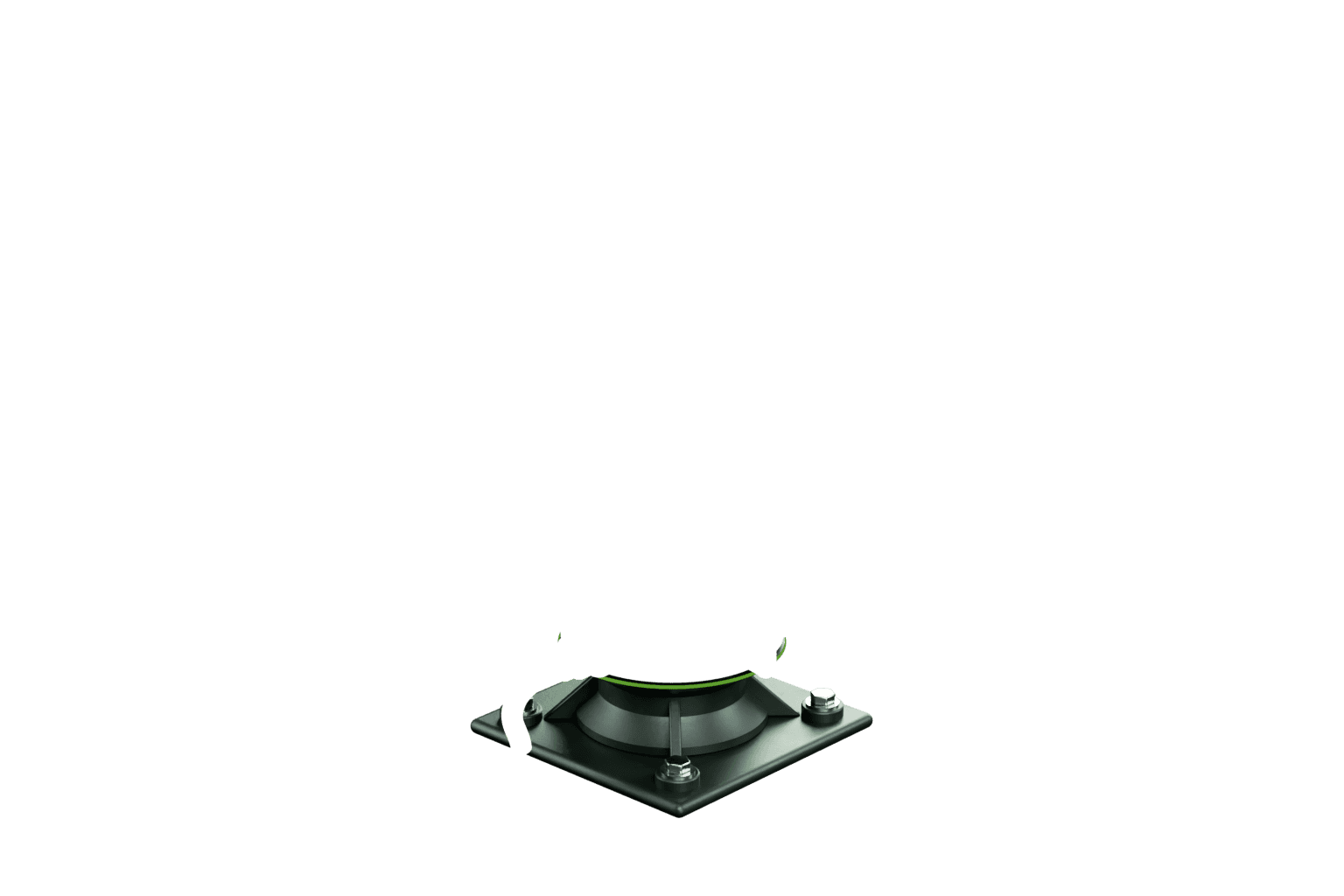
04
Mounting Bracket
Secures the fixture to towers, chimney stacks, cooling towers or rooftops at the height and orientation the structure geometry requires, holding alignment against wind loading at elevation.
05
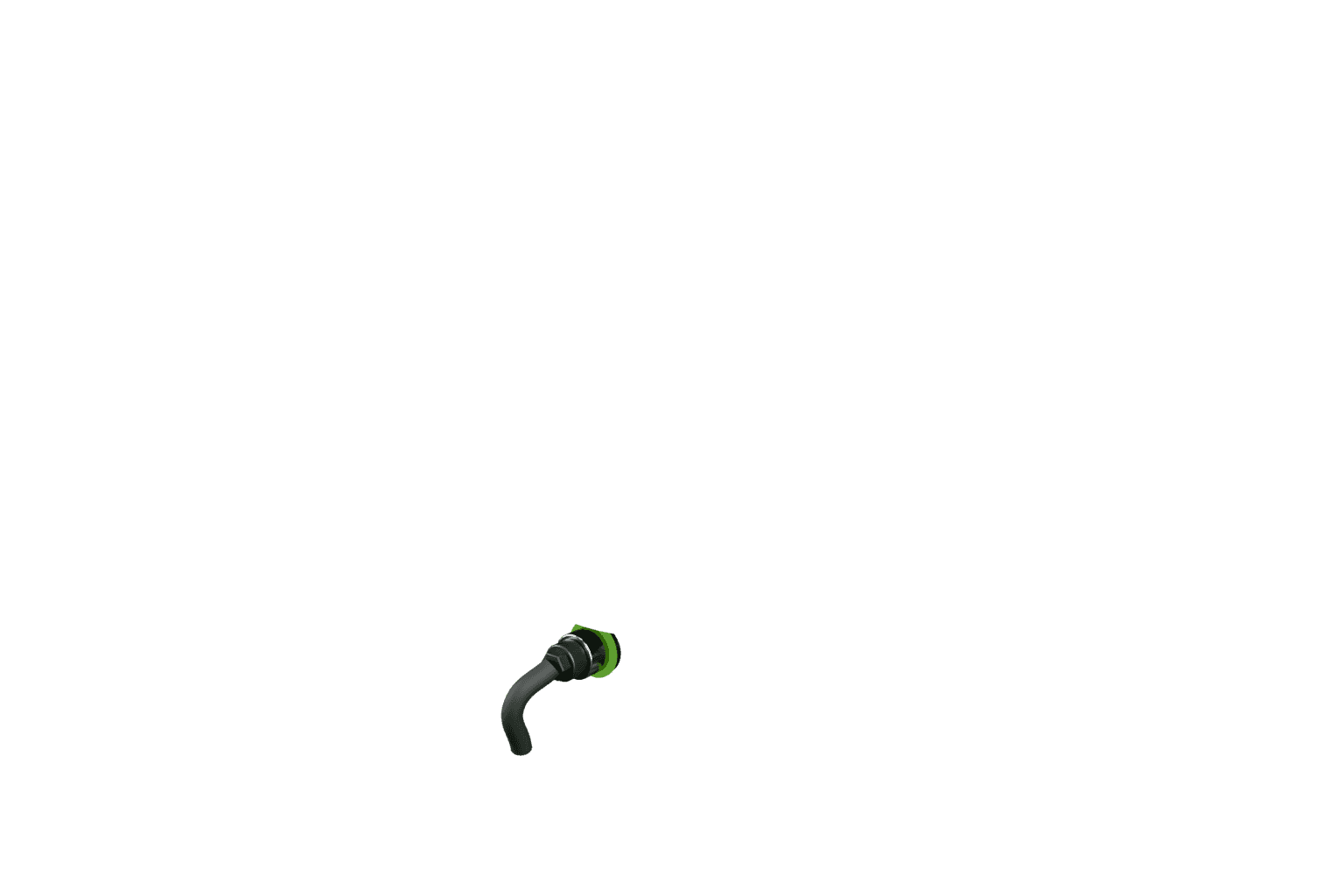
Surge Protection
Shields the LED head and controller from voltage spikes reaching the fixture through the power feed, a meaningful risk for structures exposed to lightning strike at height. Protecting the electronics here avoids repeat failures after storm activity.
06
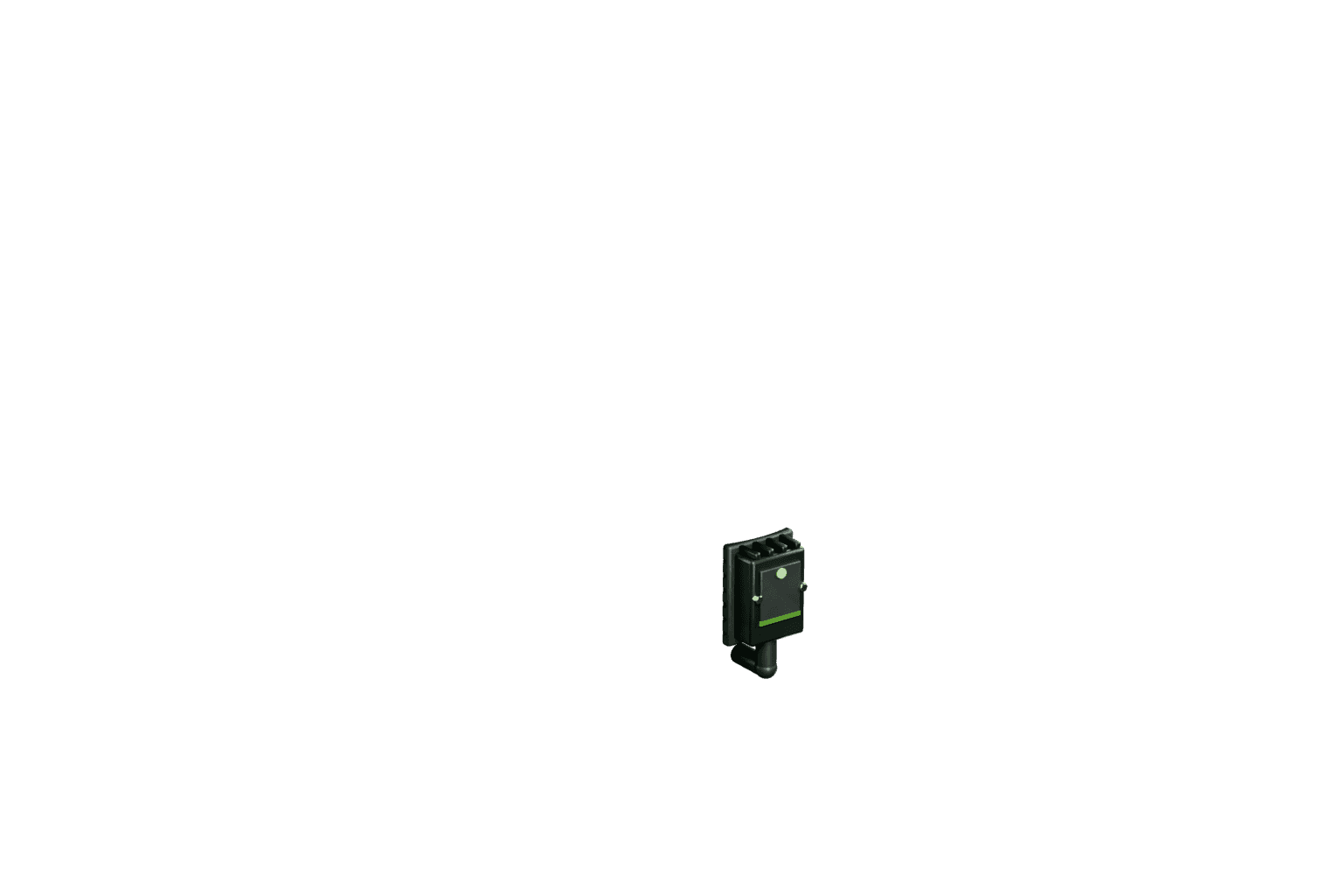
Monitoring Interface
Provides a connection point for remote status and fault reporting, so a lamp or driver failure on a tall structure is flagged from the ground rather than discovered during a site visit or an incident review.
FULLY ASSEMBLED
Medium Intensity Obstruction Lights
Explore the assembly
01
LED Optical Head
Produces the flashing or steady red or white output at the intensity required by the structure's classification. The optical design concentrates the beam so the signal remains legible against sky glare and at the required viewing angles.
02
Flash and Mode Controller
Sets the flash rate where the classification calls for a flashing type, and synchronises timing where multiple beacons mark the same structure, so the lighting pattern reads consistently to an approaching aircraft. It also manages the switch between day and night output levels where the classification requires it.
03
Photocell Sensor
Detects ambient light level and signals the controller to switch between day and night operating modes without manual intervention. This keeps the fixture compliant with dual-mode classifications through changing daylight and weather conditions.
04
Mounting Bracket
Secures the fixture to towers, chimney stacks, cooling towers or rooftops at the height and orientation the structure geometry requires, holding alignment against wind loading at elevation.
05
Surge Protection
Shields the LED head and controller from voltage spikes reaching the fixture through the power feed, a meaningful risk for structures exposed to lightning strike at height. Protecting the electronics here avoids repeat failures after storm activity.
06
Monitoring Interface
Provides a connection point for remote status and fault reporting, so a lamp or driver failure on a tall structure is flagged from the ground rather than discovered during a site visit or an incident review.
| Body material class | Corrosion resistant housing rated for prolonged exposure at height on towers, stacks and rooftops |
| Ingress protection approach | Sealed optical and electrical compartments suited to wind-driven rain and dust at elevation |
| Power options | Grid, generator or hybrid site power with driver sized for higher medium intensity output |
| Control compatibility | Photocell or programmable controller for automatic day and night switching, integrable with remote monitoring platforms |
| Mounting | Bracket mounting engineered for towers, chimney stacks, cooling towers and elevated rooftops |
| Operating environment | Engineered for continuous outdoor exposure at height across the Kingdom's temperature and dust conditions |
Why medium intensity matters for taller structures
Once a structure crosses roughly 45 metres, or an aeronautical study finds a low intensity beacon insufficient for its location relative to flight paths, the applicable standard steps up to medium intensity. These fixtures produce a brighter flashing output, red or white depending on the classification and whether the structure is lit day and night or only after dark, so that transmission towers, chimney stacks, tall buildings and industrial structures remain conspicuous at greater distances and in daylight glare.
Standards that govern the class
ICAO Annex 14 Volume I sets out the medium intensity categories, distinguished by flash rate, colour, and whether daytime operation is required, and GACAR Part 139 applies it within Saudi aerodrome zones. Selecting the wrong type, for example a night-only red system on a structure that an aeronautical study requires to flash white by day, creates a compliance gap that surfaces during airspace review, not at delivery.
What Saudi buyers should verify before ordering
Structures at this height range are typically industrial: flare stacks, cooling towers, communication masts, cranes on long-duration construction programmes. Buyers should confirm the flash characteristic and colour required by the governing aeronautical study, the mounting method for the specific structure geometry, and whether a photocell or programmable controller is needed to switch between day and night modes automatically. Power availability at height also drives fixture choice, since medium intensity lights typically draw more current than low intensity units.
Turnkey scope from NLS
NLS manages the obstruction lighting scope end to end: confirming the correct medium intensity type against the project's aeronautical study or advising where none exists yet, sourcing fixtures from established international aviation lighting OEMs, and handling installation at height on towers, stacks and rooftops. Control gear, photocells, and cabling are specified to match the structure and the site's power source. For projects that also require lower structures on the same site, NLS coordinates low, medium and high intensity fixtures under one scope so the whole site presents a consistent, correctly classified lighting scheme.
Ongoing reliability
A flashing beacon at 100 metres that goes dark is far harder to notice from the ground than a rooftop light. NLS builds maintenance and, where requested, remote monitoring into the same contract as supply and installation, so lamp or driver failures on tall structures are caught and corrected quickly rather than discovered during an incident review.
Specifications
- ✓Flashing red or white output selected by the aeronautical study under the medium intensity classification of ICAO Annex 14 Volume I
- ✓Compliant with ICAO Annex 14 Volume I and GACAR Part 139 obstacle marking requirements for taller structures
- ✓Photocell or programmable controller options for automatic day and night mode switching
- ✓Mounting systems engineered for towers, chimney stacks, cooling towers and elevated rooftops
- ✓Higher-output driver and power supply options suited to grid, generator or hybrid site power
- ✓Compatible with remote monitoring platforms for lamp status and fault alerting
Frequently Asked Questions
What height range typically requires medium intensity obstruction lights?+
Structures roughly 45 to 150 metres tall typically fall into the medium intensity category, though the exact requirement comes from the site's aeronautical study, not a fixed rule. NLS checks the structure height and location against ICAO and the applicable FAA advisory circular before recommending a fixture class.
Do medium intensity lights need to operate during the day, not just at night?+
It depends on the classification the aeronautical study assigns. Some medium intensity types are night-only, while others require a brighter white flash during daylight hours in addition to a red flash at night. NLS specifies the correct type and controller so the fixture matches the exact requirement.
Can NLS combine medium intensity lights with lower fixtures on the same tower?+
Yes. Many tall structures need a layered scheme, medium intensity beacons near the top and lower intensity units along the structure body. NLS designs and supplies the full layered lighting scheme as one coordinated package.
What is the role of the LED Optical Head in Medium Intensity Obstruction Lights?+
Produces the flashing or steady red or white output at the intensity required by the structure's classification. The optical design concentrates the beam so the signal remains legible against sky glare and at the required viewing angles.
What is the role of the Flash and Mode Controller in Medium Intensity Obstruction Lights?+
Sets the flash rate where the classification calls for a flashing type, and synchronises timing where multiple beacons mark the same structure, so the lighting pattern reads consistently to an approaching aircraft. It also manages the switch between day and night output levels where the classification requires it.
What is the role of the Photocell Sensor in Medium Intensity Obstruction Lights?+
Detects ambient light level and signals the controller to switch between day and night operating modes without manual intervention. This keeps the fixture compliant with dual-mode classifications through changing daylight and weather conditions.
What is the role of the Mounting Bracket in Medium Intensity Obstruction Lights?+
Secures the fixture to towers, chimney stacks, cooling towers or rooftops at the height and orientation the structure geometry requires, holding alignment against wind loading at elevation.
What is the role of the Surge Protection in Medium Intensity Obstruction Lights?+
Shields the LED head and controller from voltage spikes reaching the fixture through the power feed, a meaningful risk for structures exposed to lightning strike at height. Protecting the electronics here avoids repeat failures after storm activity.
What is the role of the Monitoring Interface in Medium Intensity Obstruction Lights?+
Provides a connection point for remote status and fault reporting, so a lamp or driver failure on a tall structure is flagged from the ground rather than discovered during a site visit or an incident review.
Who supplies Medium Intensity Obstruction Lights in Saudi Arabia?+
Northlane Solutions (Northlane Solutions Company) supplies Medium Intensity Obstruction Lights across Saudi Arabia, including Riyadh, Jeddah, Dammam and Jubail. Send your specification and quantities to info@northlanesolution.com for a quotation.
Related products
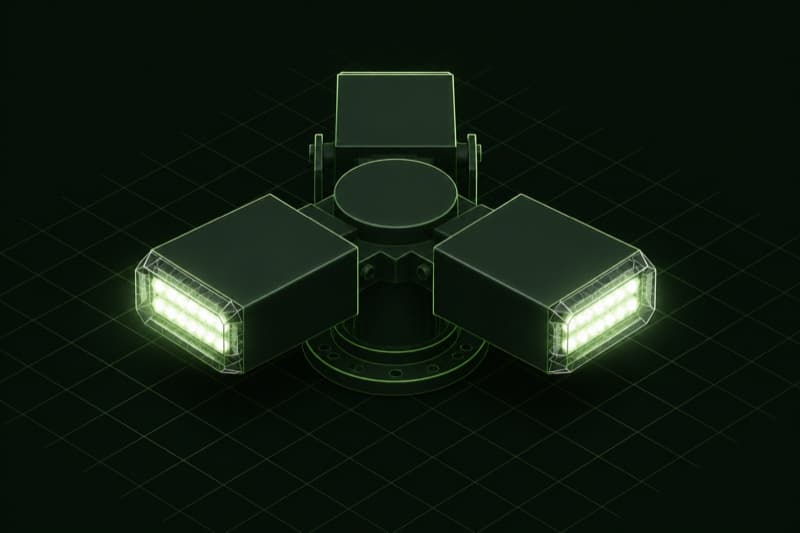
High Intensity Obstruction Lights
High intensity obstruction lights are powerful white flashing beacons for the tallest structures, transmission towers, tall buildings and offshore platforms, marking them under the high intensity provisions of ICAO Annex 14 Volume I, class set by the aeronautical study, so they remain visible by day and night from long range. NLS supplies and installs high intensity systems in Saudi Arabia.
Solar Obstruction Lights
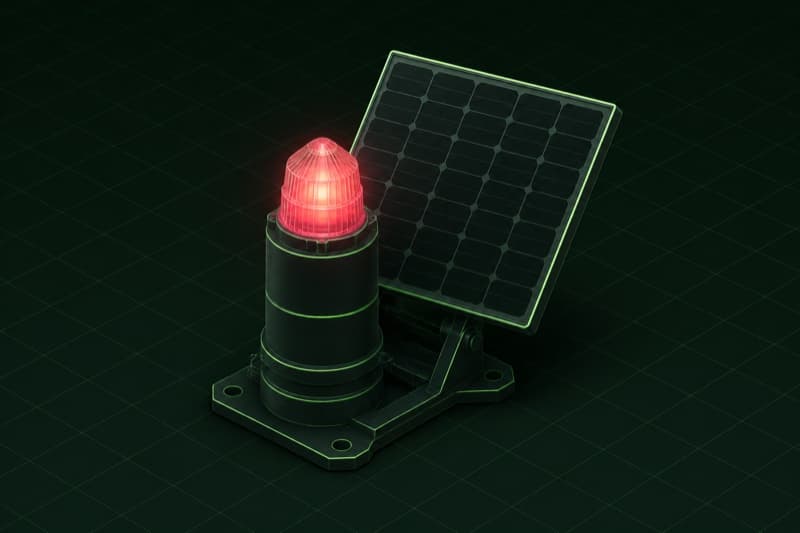
Solar obstruction lights combine a low or medium intensity beacon with an integral solar panel, battery and controller, marking towers, masts and remote structures that have no grid connection. NLS supplies and installs solar-powered obstruction lighting across Saudi Arabia for off-grid sites, sizing the solar and battery capacity to the site's location and duty cycle.

Obstruction Light Monitoring
Obstruction light monitoring is a remote surveillance service that tracks lamp status, power supply and flash synchronization across a structure's obstruction lighting system, alerting the operator the moment a fault occurs instead of waiting for the next physical inspection. NLS deploys and manages monitoring systems alongside its obstruction lighting supply across Saudi Arabia so structures stay continuously compliant.
Aircraft Warning Spheres
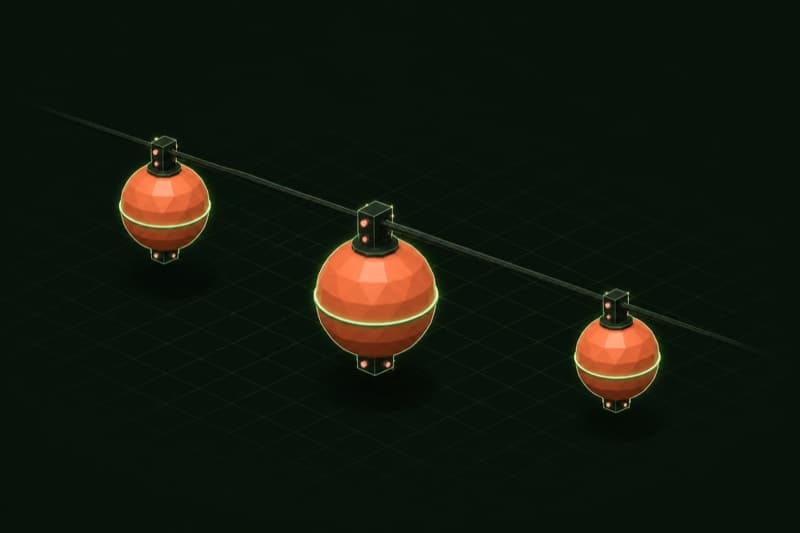
Aircraft warning spheres are large coloured marker balls fitted onto overhead power lines, cables and wires that cross valleys, rivers or approach paths, giving pilots a visible daytime warning where a solid structure light is impractical. NLS supplies and installs aircraft warning spheres across Saudi Arabia in orange, white or a combination pattern per ICAO Annex 14 marking requirements.
Low Intensity Obstruction Lights
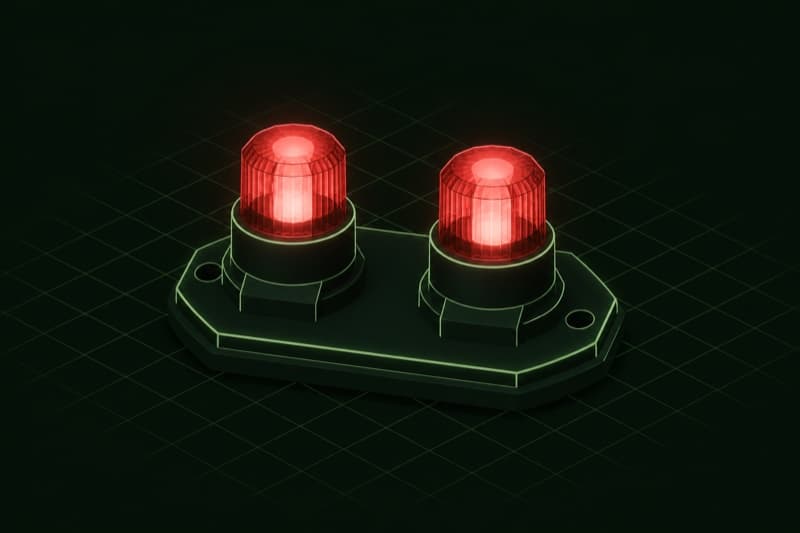
Low intensity obstruction lights are fixed red beacons mounted on structures below roughly 45 metres, marking towers, cranes, rooftops and stacks for night visibility, specified under the low intensity obstruction light provisions of ICAO Annex 14 Volume I. NLS supplies and installs these fixtures across Saudi Arabia sourced from established international aviation lighting manufacturers.
Guides
Obstruction Light Types in Saudi Arabia: Low, Medium and High Intensity Explained
How to choose between low, medium and high intensity obstruction lights for towers, cranes and tall buildings in Saudi Arabia, day and night modes, and when each type applies under ICAO Annex 14.
Saudi Aviation Infrastructure Glossary: A to Z Terms Buyers Need
A practitioner glossary of the aviation infrastructure terms buyers meet on Saudi projects, covering airfield ground lighting, heliport design, obstruction lighting, arresting systems and the regulatory acronyms behind GACAR and ICAO Annex 14.