
Telecom & Utilities
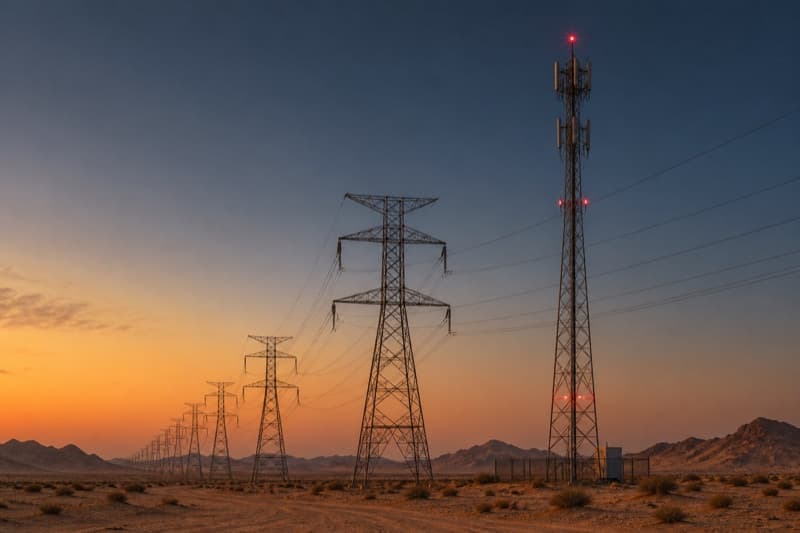
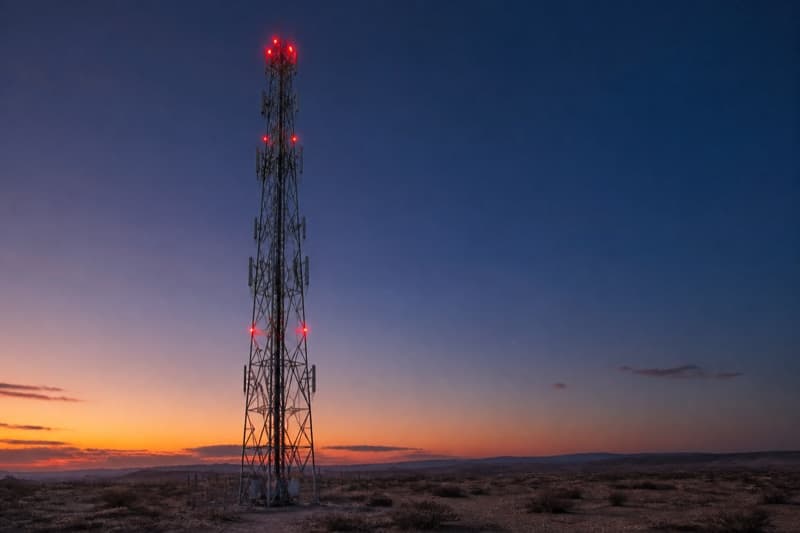
Northlane Solutions supplies obstruction lighting for telecom towers, transmission masts and utility infrastructure across Saudi Arabia: medium intensity obstruction lights, solar obstruction lights for off grid sites, monitoring systems and a scheduled maintenance programme, engineered to ICAO Annex 14 and matched to the tower's height and grid access.
A tower portfolio is an obstruction lighting portfolio
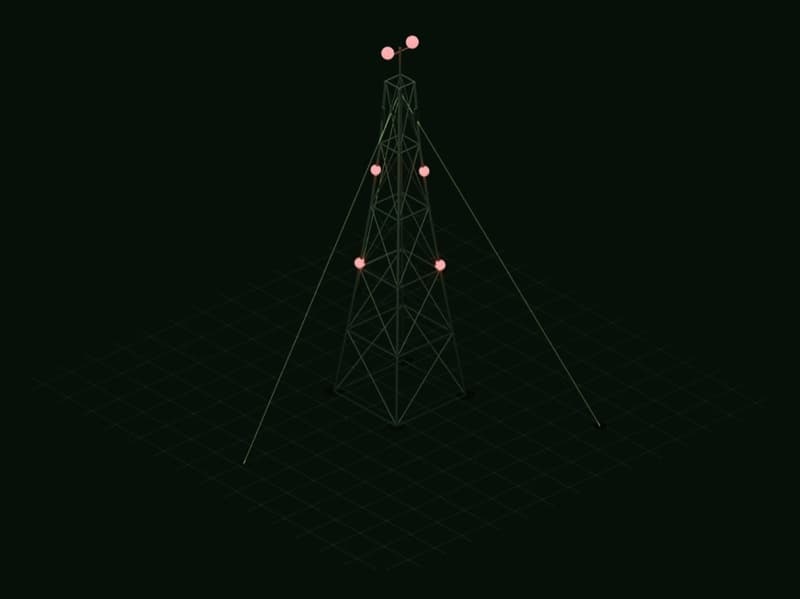
A telecom operator or utility does not own one tall structure, it owns hundreds spread across cities, highways and open country, and every one of them above the height threshold and within the relevant surfaces needs obstruction lighting under ICAO Annex 14 as applied by GACA. Managing that at portfolio scale is a different problem from lighting a single building.
Grid access decides the lighting technology
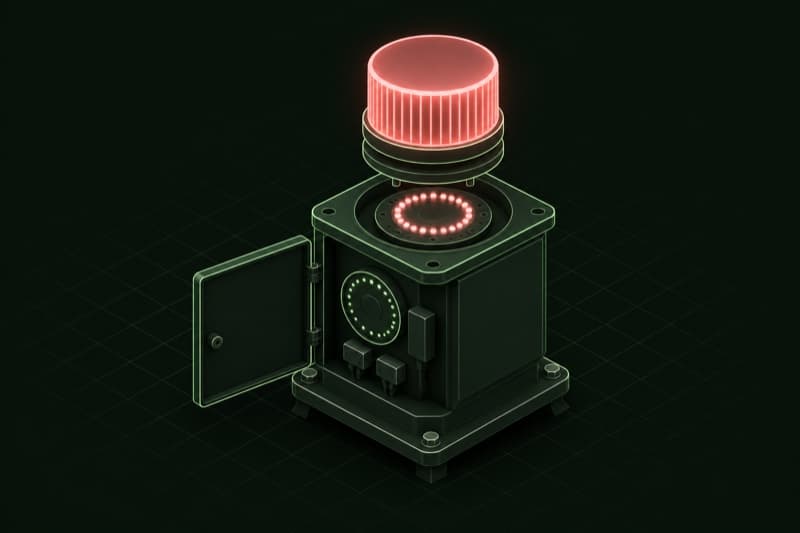
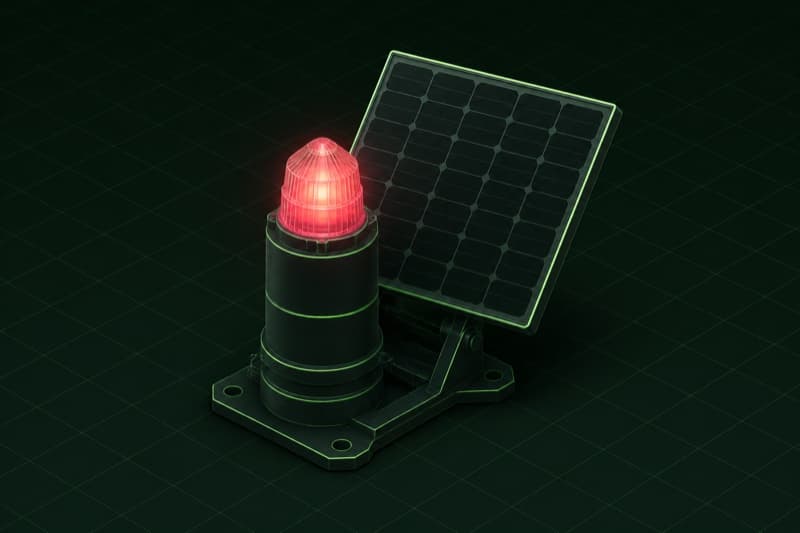
Towers near an urban grid connection can run standard mains fed obstruction lights, but a meaningful share of a telecom or utility network sits in locations with no economical grid connection at all. Solar obstruction lighting solves that with a self contained panel, battery and light unit sized for the site's solar resource and the required nights of autonomy, and it is increasingly the default for new remote sites rather than a special case.
Monitoring turns a compliance obligation into a manageable one
A failed obstruction light on a remote tower is invisible from the ground and easy to miss until an audit or, worse, an incident report flags it. Obstruction light monitoring systems report lamp status back to a central point, often over the same telecom network the tower supports, so a fault is known within hours rather than discovered months later. For an operator with hundreds of sites, this is what makes the difference between a documented compliance record and a guess.
Maintenance at scale needs a programme, not a callout
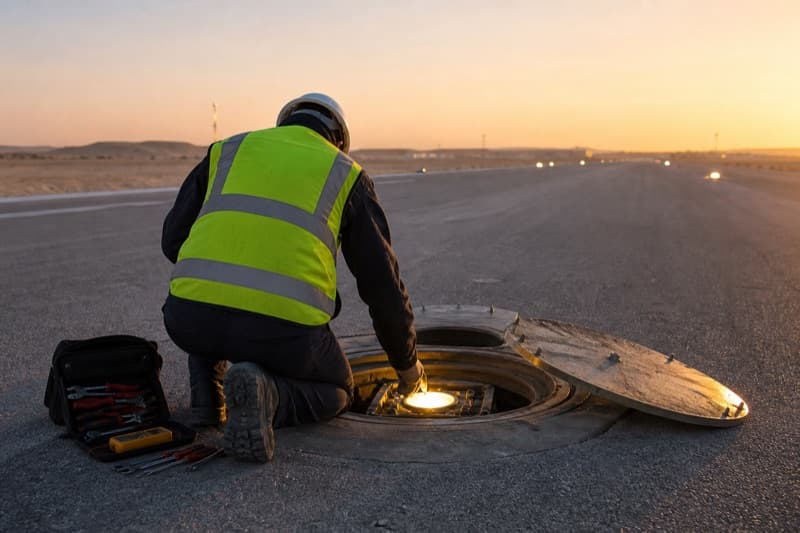
Running maintenance across a dispersed tower estate as individual reactive callouts is expensive and slow. A scheduled obstruction light maintenance programme, covering lamp replacement, battery condition checks on solar units and periodic verification against Annex 14 intensity requirements, keeps the whole estate within tolerance and produces the documentation an operator needs if a regulator or an aviation authority asks for proof of compliance.
Supply and support from one desk
Northlane Solutions supplies medium intensity and solar obstruction lighting sized to each tower's height and location, monitoring equipment suited to remote sites, and a maintenance programme structured around an estate of many towers rather than a single building. Telecom and utility owners get one point of contact covering the full lifecycle of the obstruction lighting on their network, from initial supply through years of operation.
Related services
Related products

Frequently Asked Questions
Do all telecom towers need obstruction lighting?+
It depends on height and location relative to nearby aerodrome obstacle limitation surfaces. Towers that penetrate those surfaces, or that present a general height hazard, need lighting selected under ICAO Annex 14 as applied by GACA.
How does solar obstruction lighting work at a remote tower with no grid access?+
A self contained panel, battery and light unit is sized for the site's solar resource and the required nights of autonomy, removing the need for a grid connection entirely.
Can we monitor obstruction light status remotely across a tower network?+
Yes. Monitoring systems report lamp status back to a central point, which lets an operator catch a fault within hours rather than during a periodic site visit.
Can NLS run maintenance across a large dispersed tower estate?+
Yes. A scheduled maintenance programme covering lamp replacement, battery checks on solar units and periodic intensity verification is structured for a portfolio of many sites rather than one off callouts.