
Oil & Gas / Energy
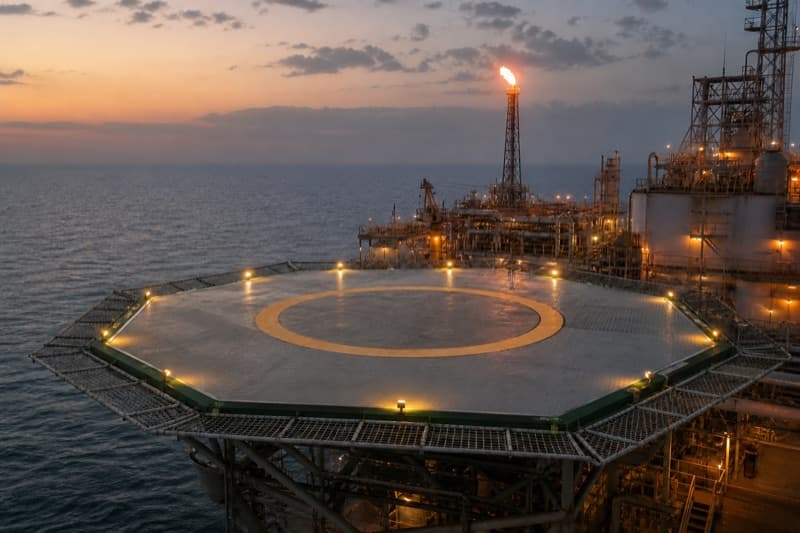
Northlane Solutions supplies helideck status lighting, high intensity obstruction lighting for flare stacks and tall plant, firefighting systems and illuminated wind cones for oil and gas facilities across Saudi Arabia, engineered to ICAO Annex 14 and CAP 437 helideck criteria, and has already delivered cable packages for Saudi Aramco projects.
Height and hazard drive everything on a plant site
An oil and gas facility puts two demands on aviation lighting at once. Flare stacks, process towers and pipe racks create genuine height risk to aircraft, and the site itself handles hydrocarbons, so any equipment installed on or near it has to survive the environment rather than merely light it.
High intensity obstruction lighting on process structures
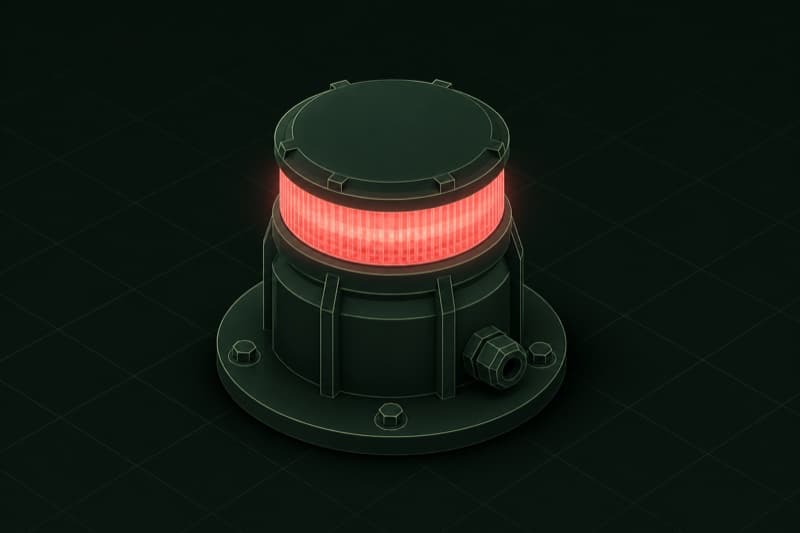
Structures that penetrate the obstacle limitation surfaces around nearby aerodromes, or that simply present a height hazard in open desert with helicopter traffic, need obstruction lighting selected by height and location under ICAO Annex 14. Flare stacks, tall vessels and raised pipe racks are common candidates for high intensity units, chosen for visibility across long distances rather than the shorter range that suffices in a city setting.
Helidecks answer to a different standard
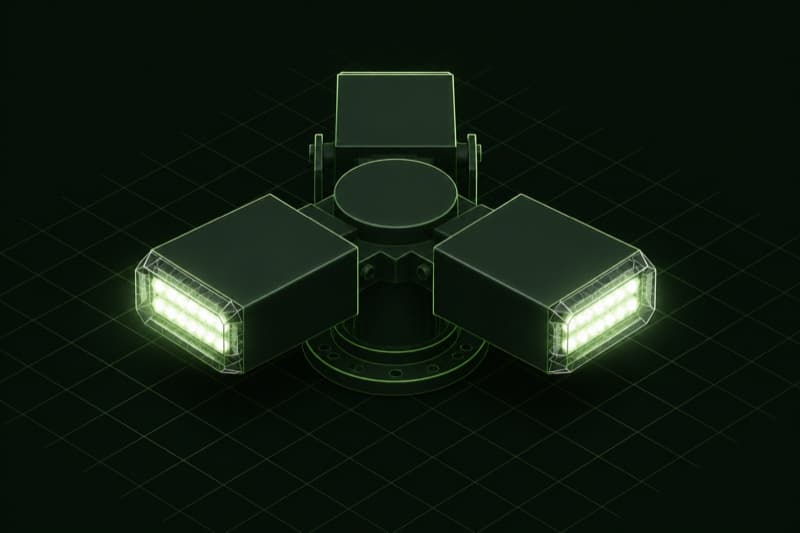
Where a facility has its own helideck, whether onshore at a remote site or on an offshore platform, CAP 437 sets the criteria that Saudi operators and their consultants reference for helideck lighting and marking. Helideck status lighting communicates the deck's readiness to an approaching pilot, and it has to be visible and unambiguous under the glare and heat haze conditions a plant site can produce. An illuminated wind cone gives the crew a live read on wind direction and strength, which matters more at a helideck sitting among process equipment than it does at a conventional airfield.
Fire protection matched to a hydrocarbon environment
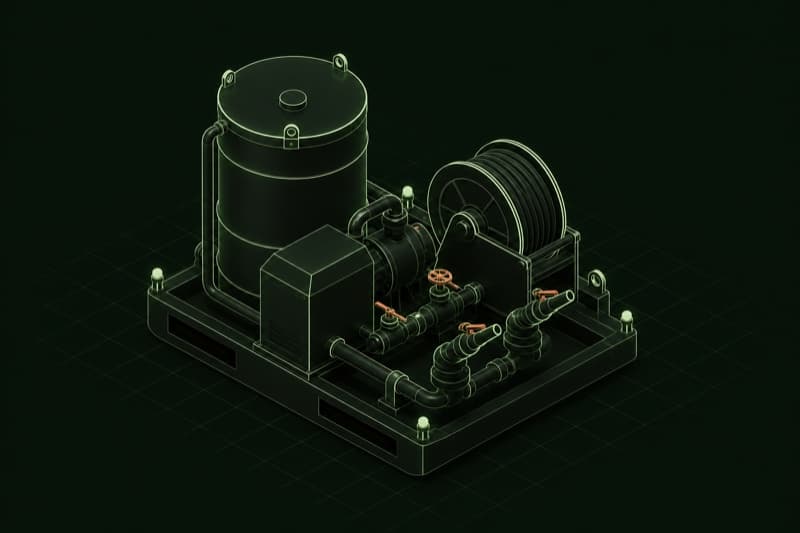
Firefighting systems on a helideck in a hydrocarbon facility are specified against NFPA 418 principles and the site's own hazardous area classification, not a generic aviation fire package. Equipment selection, cabling and control gear all need to account for the zone they sit in.
One desk for aviation lighting inside a wider industrial project
Oil and gas project engineers already manage long procurement chains for process equipment, and aviation lighting is a small but specialist line inside that chain. Northlane Solutions supplies the helideck and obstruction lighting scope, sources internationally certified equipment suited to hazardous area classification, and coordinates delivery against the project programme. NLS has already supplied cable packages for Saudi Aramco projects, working inside exactly this kind of industrial procurement discipline, and is a registered supplier with Saudi Aramco and registered on the SAP Ariba network, applying the same standard to aviation lighting scopes on oil and gas sites.
Related services
Related products

Frequently Asked Questions
Do you supply helideck lighting to CAP 437 for oil and gas platforms?+
Yes. Helideck status lighting, perimeter lighting and illuminated wind indicators are supplied against CAP 437 criteria for onshore and offshore installations.
Do flare stacks need high intensity obstruction lighting?+
Often yes, given their height and the fact that many flare stacks sit in open areas with helicopter traffic. Selection depends on height, location relative to aerodrome surfaces and local visibility conditions under ICAO Annex 14.
Has NLS worked inside a Saudi Aramco project before?+
Yes. NLS has delivered cable packages for Saudi Aramco projects, working to the procurement and documentation discipline that industrial oil and gas projects require.
Can equipment be specified for a hazardous area classification?+
Yes. Equipment for helideck and obstruction lighting scopes is selected against the site's hazardous area classification rather than supplied as a generic aviation fitting.