Offshore & Marine
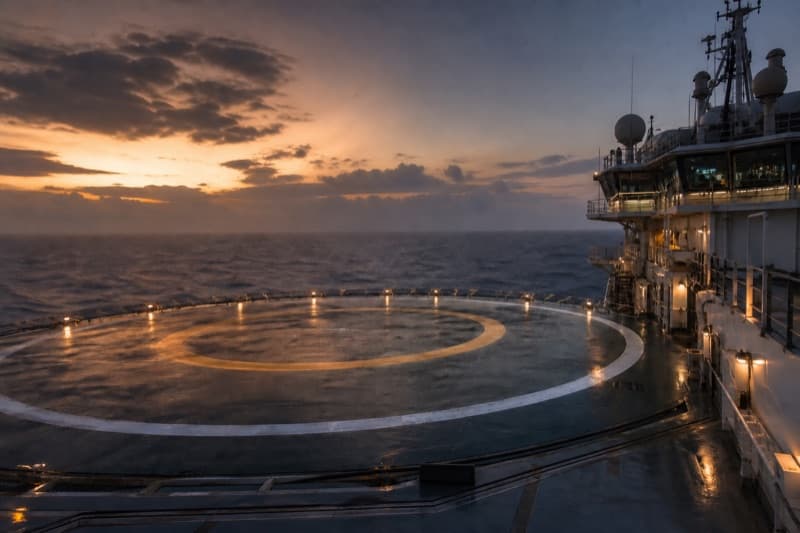
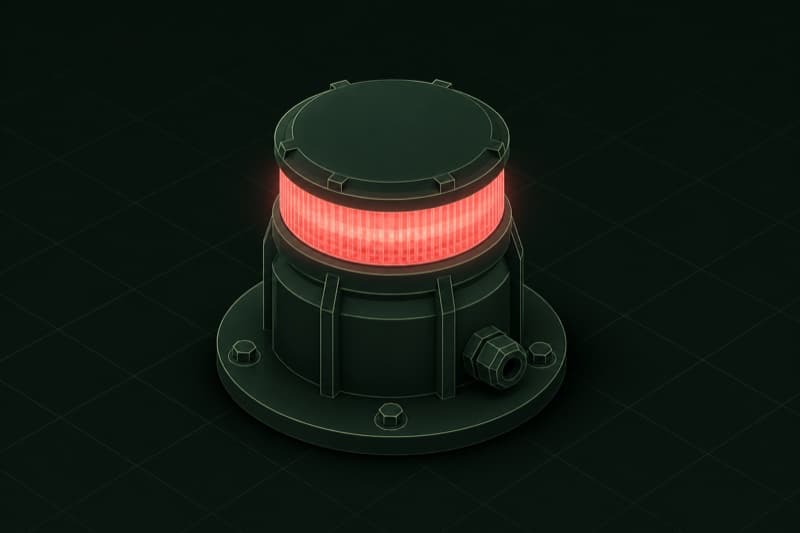
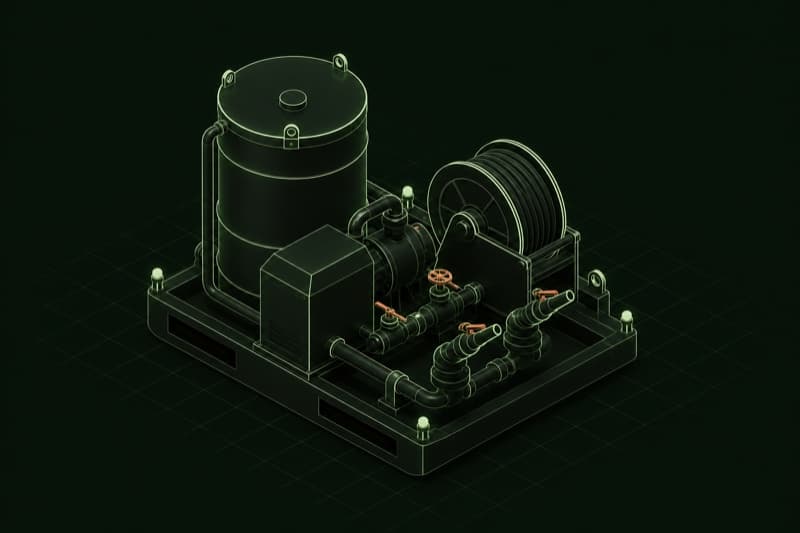
Northlane Solutions supplies helideck lighting, firefighting systems, wind cones and friction testing for offshore platforms and marine facilities in Saudi Arabia: helideck status lights, firefighting equipment matched to the deck's hazardous area classification, wind cones and deck friction testing, all engineered to CAP 437 helideck criteria.
A helideck is the only way on or off an offshore installation
For personnel working an offshore platform, the helideck is not one access route among several, it is usually the only one. That single point of failure logic is what drives the strictness of helideck standards compared to almost any other aviation lighting scope, and it is why offshore operators treat the deck's lighting, marking and friction condition as safety critical rather than as maintenance housekeeping.
CAP 437 governs the deck, not a generic aviation standard
CAP 437 is the reference operators and their consultants in Saudi Arabia use for helideck lighting, marking and friction requirements, and it is written specifically around the offshore environment: motion, salt exposure, limited deck space and the consequence of a failed approach over open water. Helideck status lighting has to communicate deck readiness unambiguously to a pilot who has no alternative landing point within range, and perimeter and floodlighting have to remain legible through salt spray and the corrosion it drives on lesser equipment.
Friction testing is a deck safety measure, not a formality
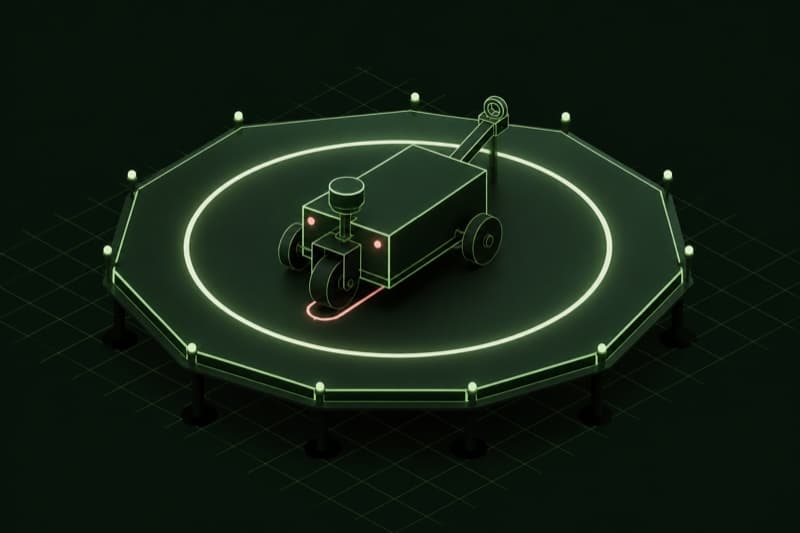
A helideck surface that has lost friction, whether from wear, marine growth or surface contamination, increases the risk of a helicopter sliding on touchdown, particularly in wet conditions that are routine offshore. Heliport friction testing measures the deck's actual skid resistance against the CAP 437 threshold, and it is normally repeated on a defined interval rather than checked once at commissioning, since the surface condition changes with weather exposure and traffic.
Wind cones read conditions that change fast at sea
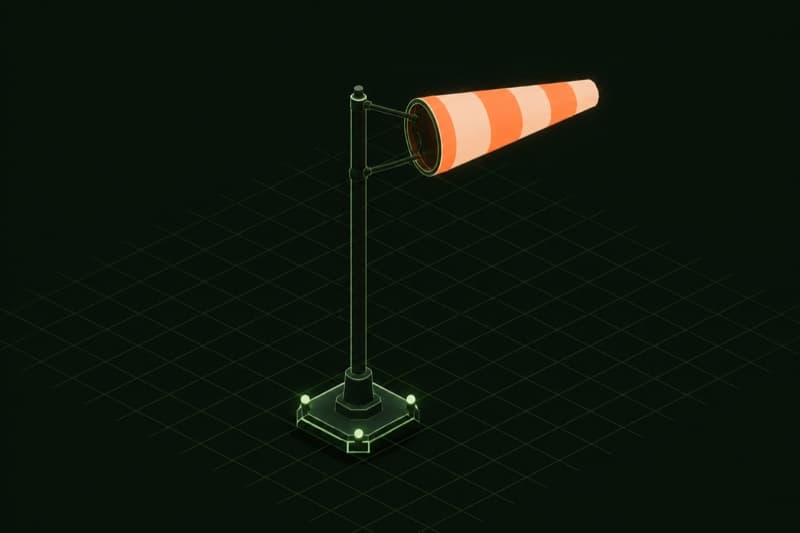
Wind over an offshore deck shifts direction and strength quickly and is affected by the platform's own structure, which makes visual estimation unreliable. A properly positioned wind cone gives the approaching crew a direct, current reading rather than a forecast, and it needs to remain visible and functioning in the same corrosive, high wind environment as everything else on the deck.
Firefighting matched to a hydrocarbon deck
Offshore helidecks sit inside a facility already classified for hydrocarbon risk, so firefighting equipment on the deck itself follows NFPA 418 principles applied within that hazardous area classification rather than a standard building fire package.
One supplier for the deck's full safety package
Northlane Solutions supplies helideck status lighting, firefighting systems, wind cones and friction testing services specified to CAP 437 and matched to the marine and hazardous area environment, coordinating equipment selection with the platform operator's own maintenance and inspection schedule.
Related services
Related products
Frequently Asked Questions
Why is CAP 437 the reference standard for offshore helidecks rather than ICAO Annex 14 alone?+
CAP 437 was written specifically for the offshore environment, addressing deck motion, salt exposure and the fact that a helideck is usually the only access point, which general aerodrome standards do not fully cover.
How often should helideck friction testing be repeated?+
On a defined interval rather than once at commissioning, since surface friction changes with weather exposure, marine growth and traffic, and the interval is normally set against the platform operator's own inspection schedule.
Can NLS supply firefighting equipment matched to an offshore hazardous area classification?+
Yes. Helideck firefighting equipment is specified against the platform's existing hazardous area classification and NFPA 418 principles, not supplied as a standard building fire package.
Is an illuminated wind cone required on every offshore helideck?+
Wind indication is a standard requirement given how quickly wind shifts near a platform structure, and it must remain visible and functioning at night given typical offshore flight timings.