

Continuous Friction Measuring Equipment (Runway Friction Testers)
Also called: runway friction tester, skiddometer, Mu-meter, grip tester, CFME
Continuous friction measuring equipment (CFME) is a vehicle or trailer mounted test rig that drags a wetted test wheel, geared to run at a fixed slip ratio, along a runway to record friction coefficient continuously over the full surface length, flagging low-friction sections before they become a landing hazard. NLS supplies CFME units tested and correlated to the reference friction device the authority accepts.
Inside the Continuous Friction Measuring Equipment
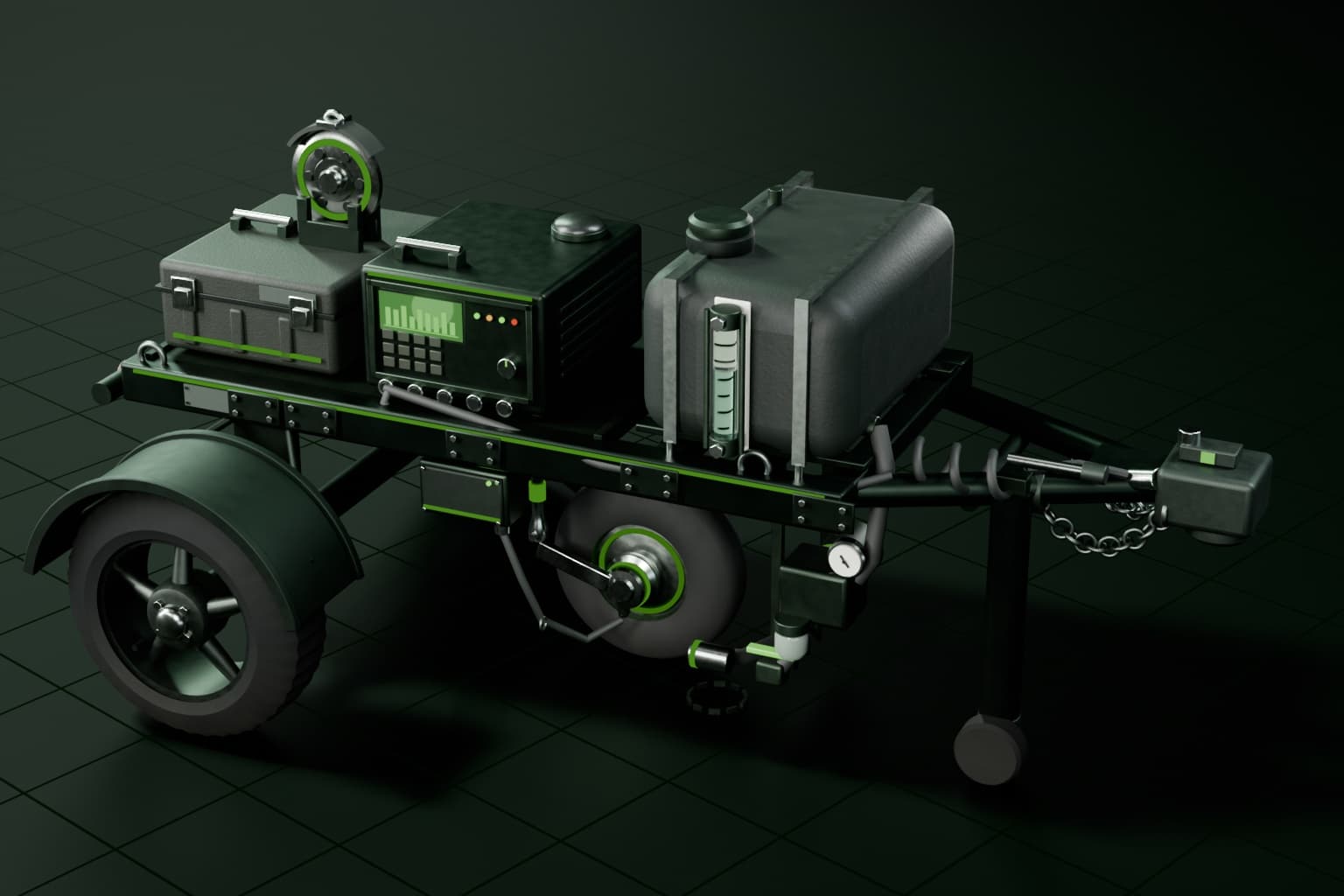
Download technical datasheet (PDF)A continuous friction measuring equipment assembly drags a wetted test wheel along the runway while a series of subsystems condition the surface, record the drag force, and translate it into a friction coefficient logged against distance. Together they turn a single spot check into a continuous profile of the whole runway.
01
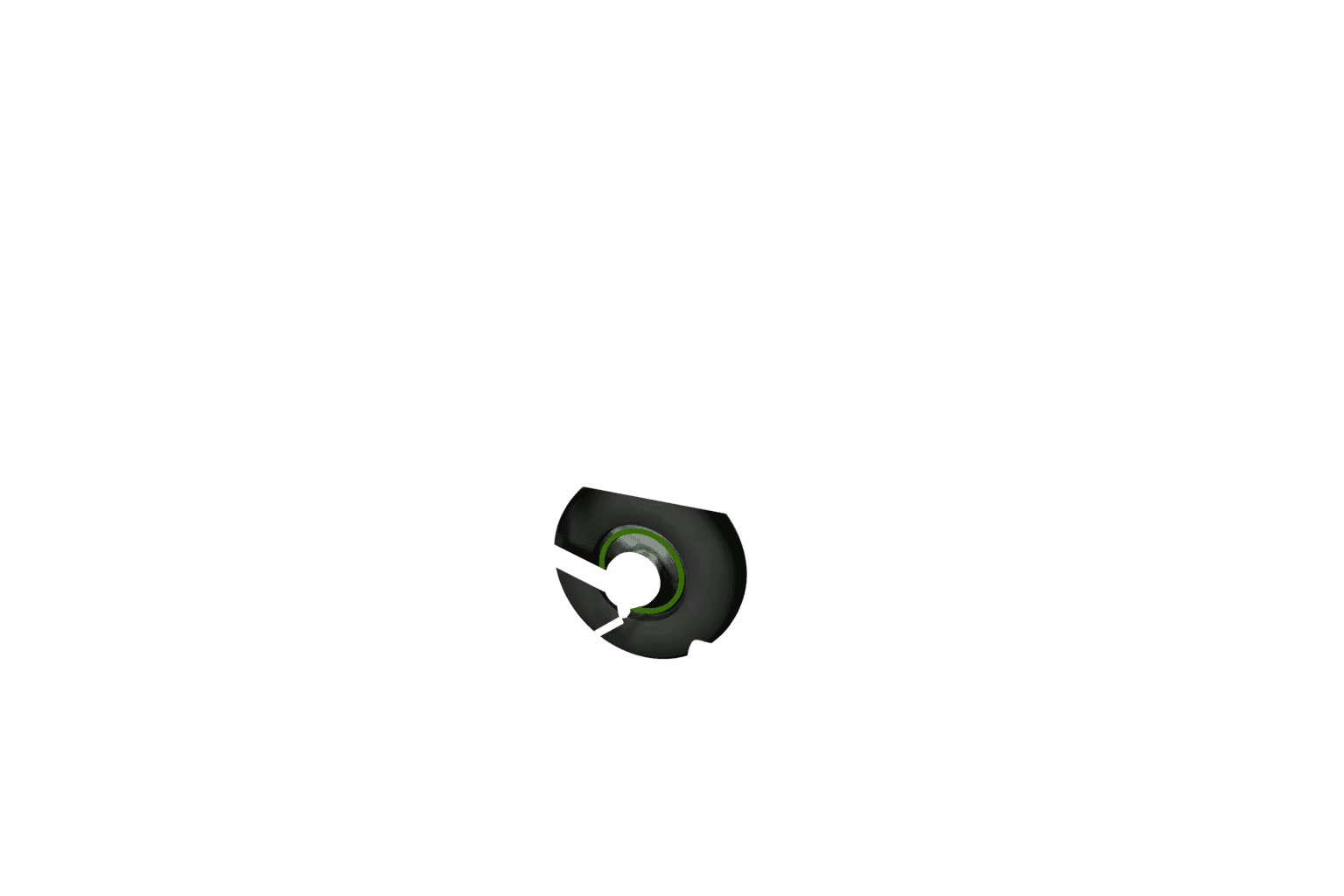
Measuring Wheel
The test wheel, geared to the transport wheel so it runs at a fixed slip ratio against the wetted pavement, generating the drag force the whole system measures. Its tire specification and slip-ratio setting are what tie a reading to a recognized reference device.
02
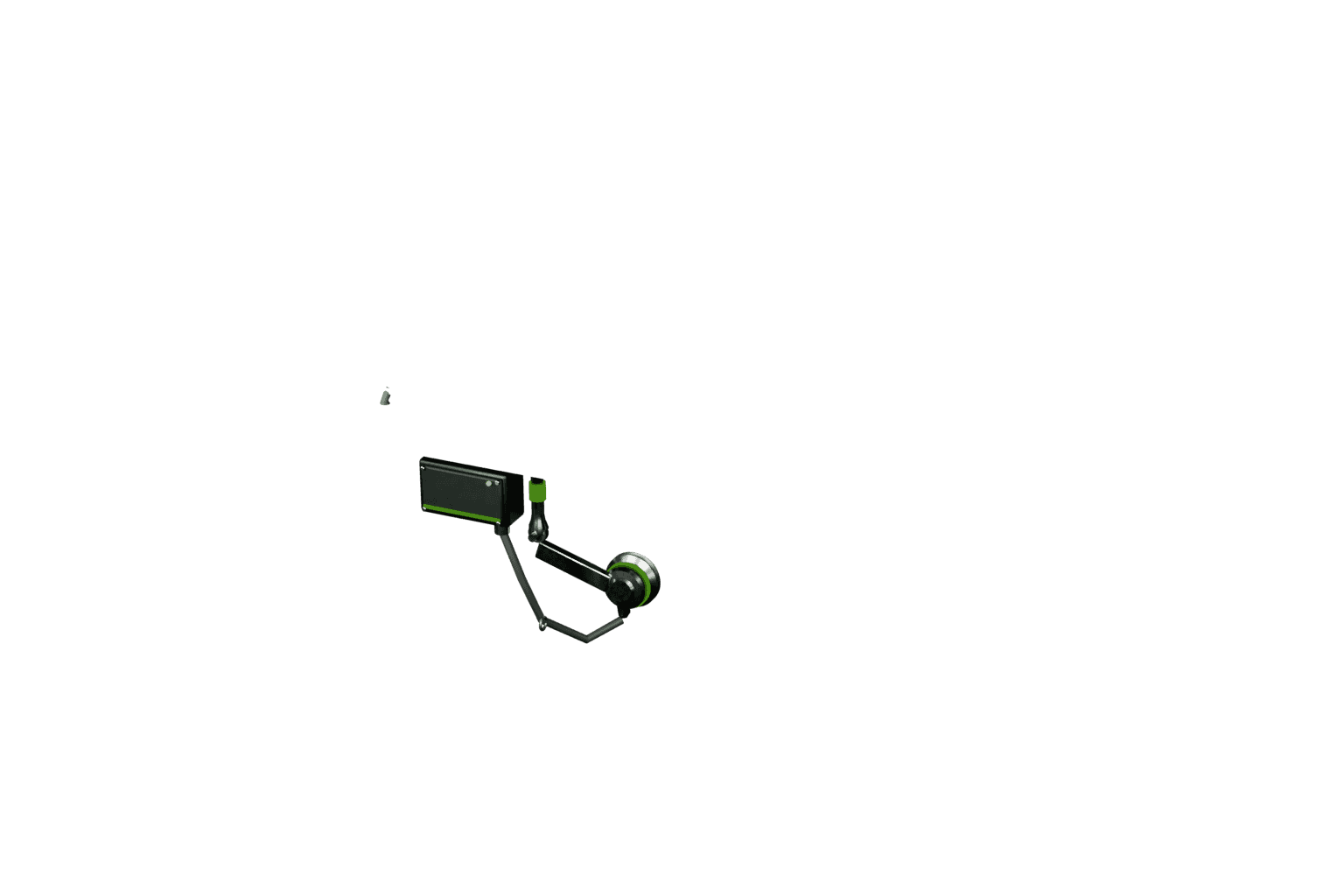
Force Sensors
Load cells mounted at the wheel assembly that capture the drag and vertical load forces in real time, the raw inputs the system converts into a friction coefficient. Sensor accuracy and calibration are what make a reading comparable across surveys.
03
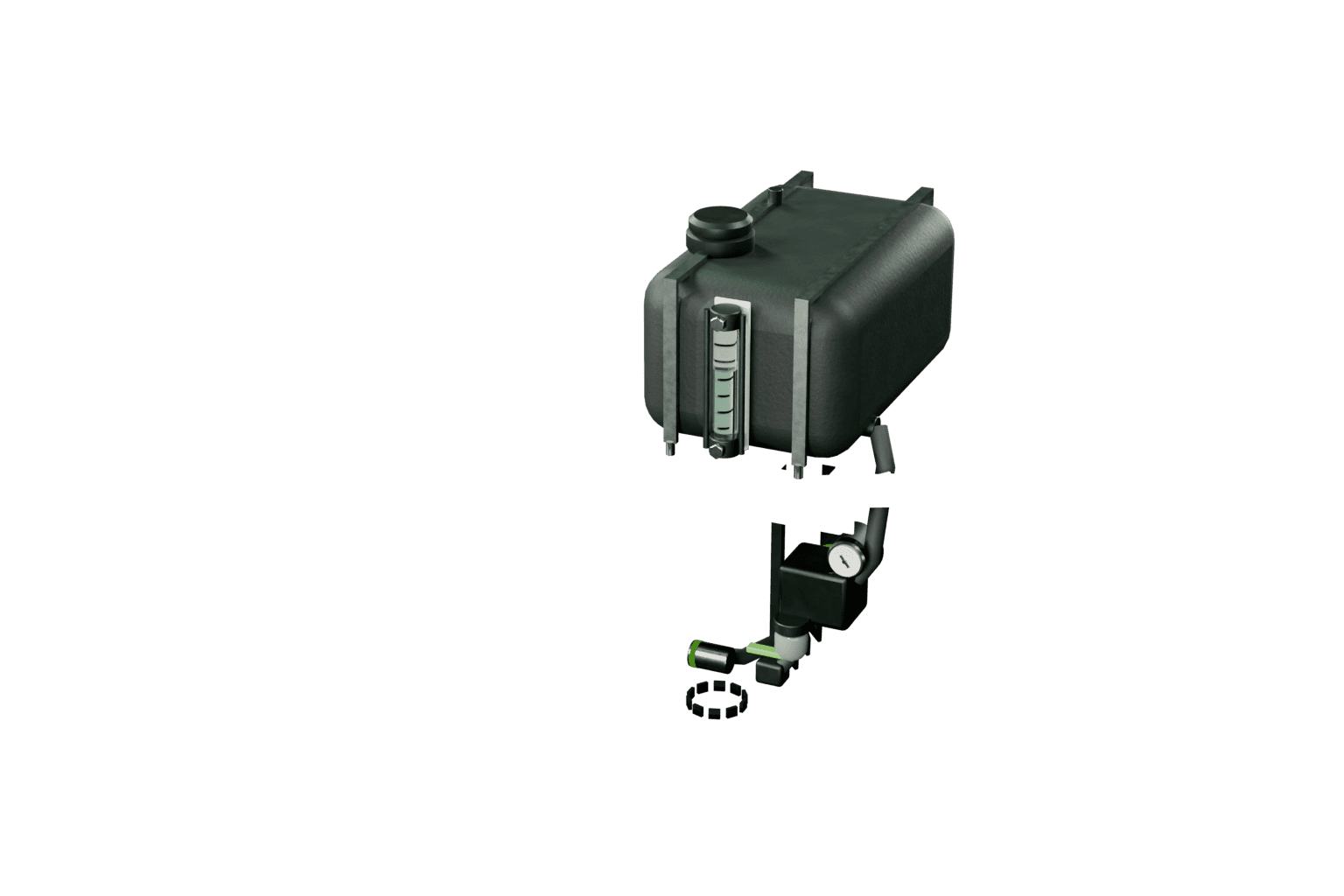
Water Delivery System
A nozzle array ahead of the measuring wheel that applies a controlled water film to simulate wet-runway conditions during the test run. Consistent water depth is what makes results repeatable across a survey and comparable against the reference device.
04
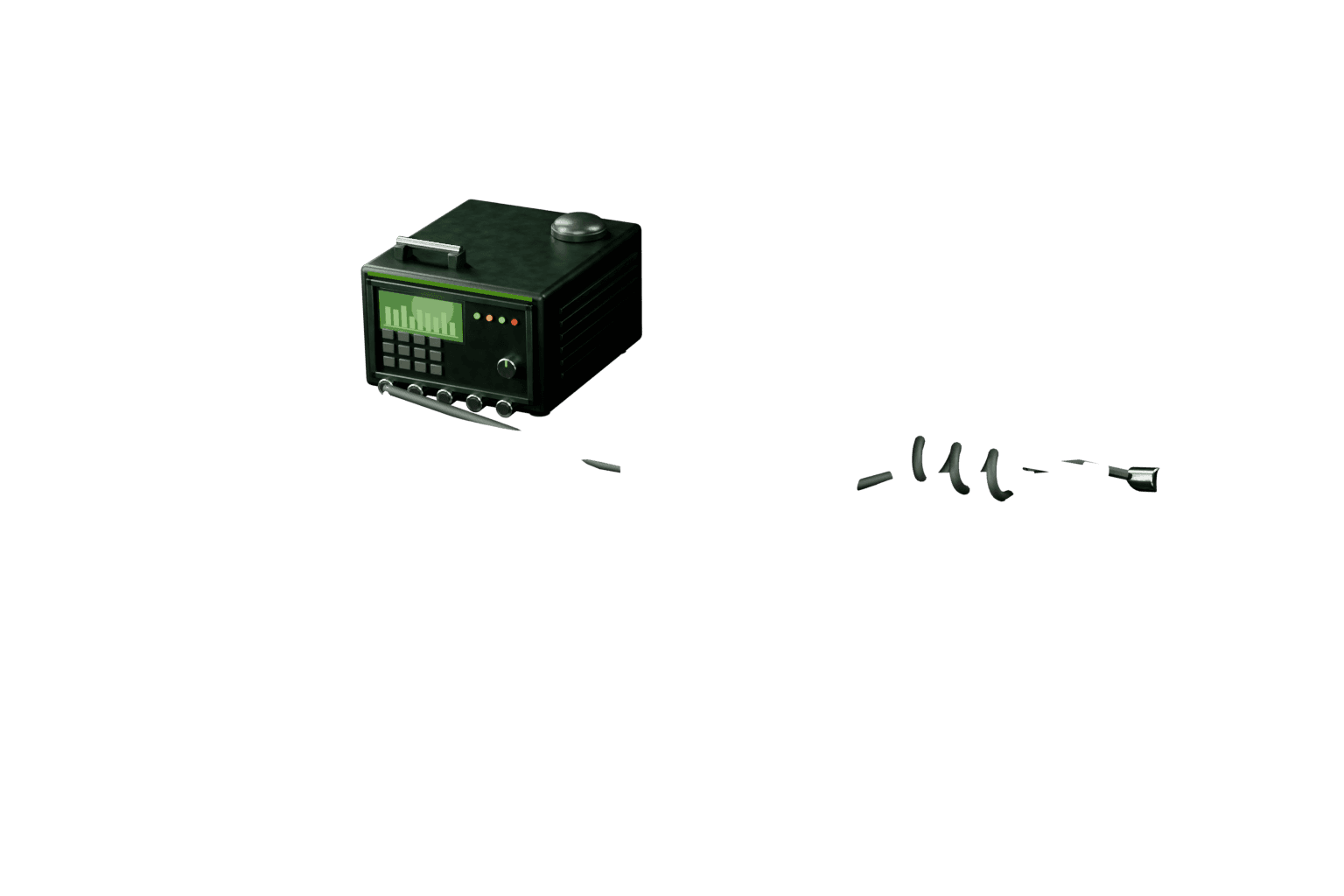
Onboard Computer
The data acquisition and processing unit that logs force sensor output continuously against GPS or odometer distance and renders it as a friction profile in the format the civil aviation authority requires. It is also where correlation factors against the accepted reference device are applied.
05
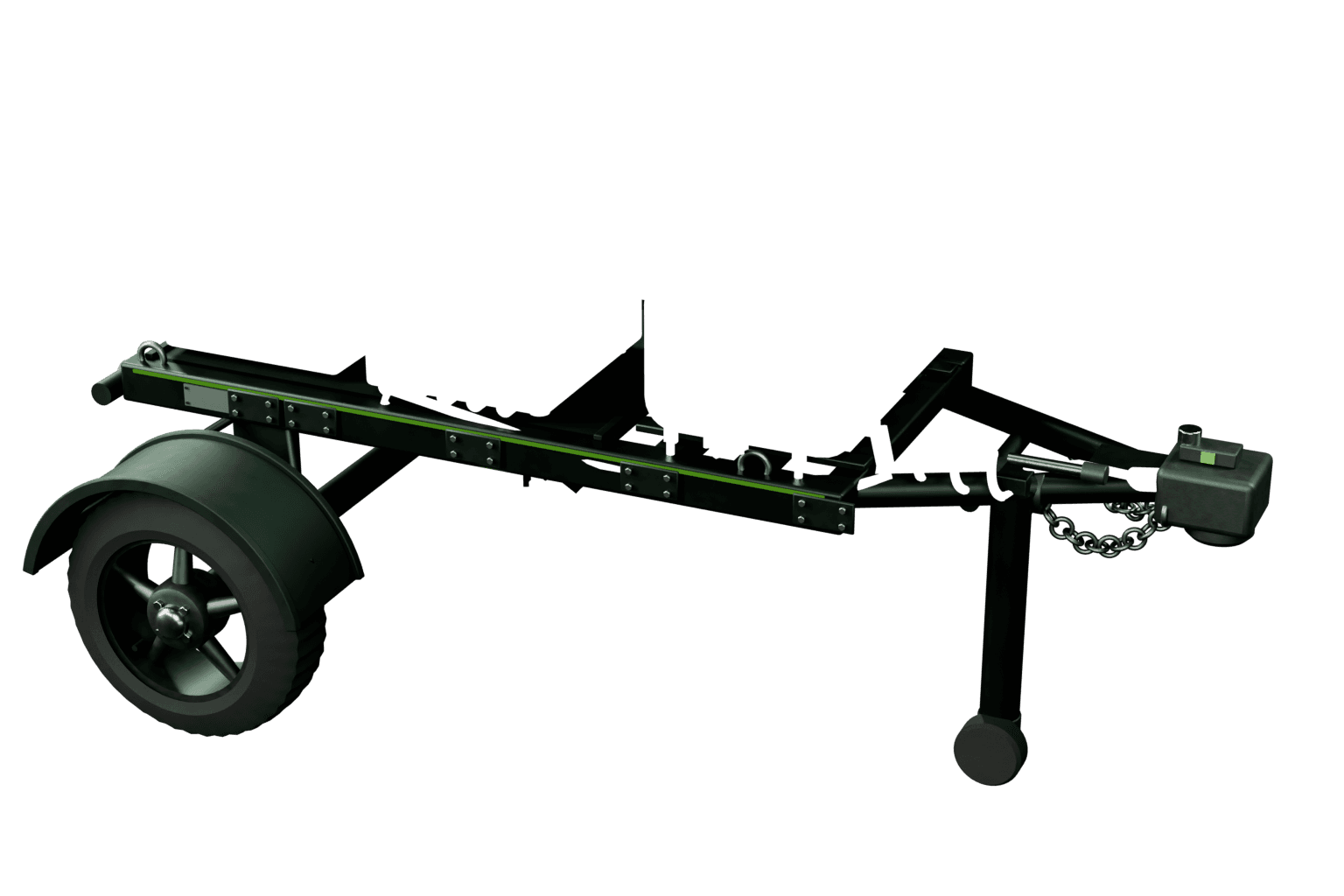
Tow Frame
The structural chassis, either a towed trailer frame or the mounting subframe of a dedicated vehicle, that carries the wheel, sensors, and water system as a stable unit at test speed. Frame rigidity affects how cleanly the load cells isolate the true drag signal.
06
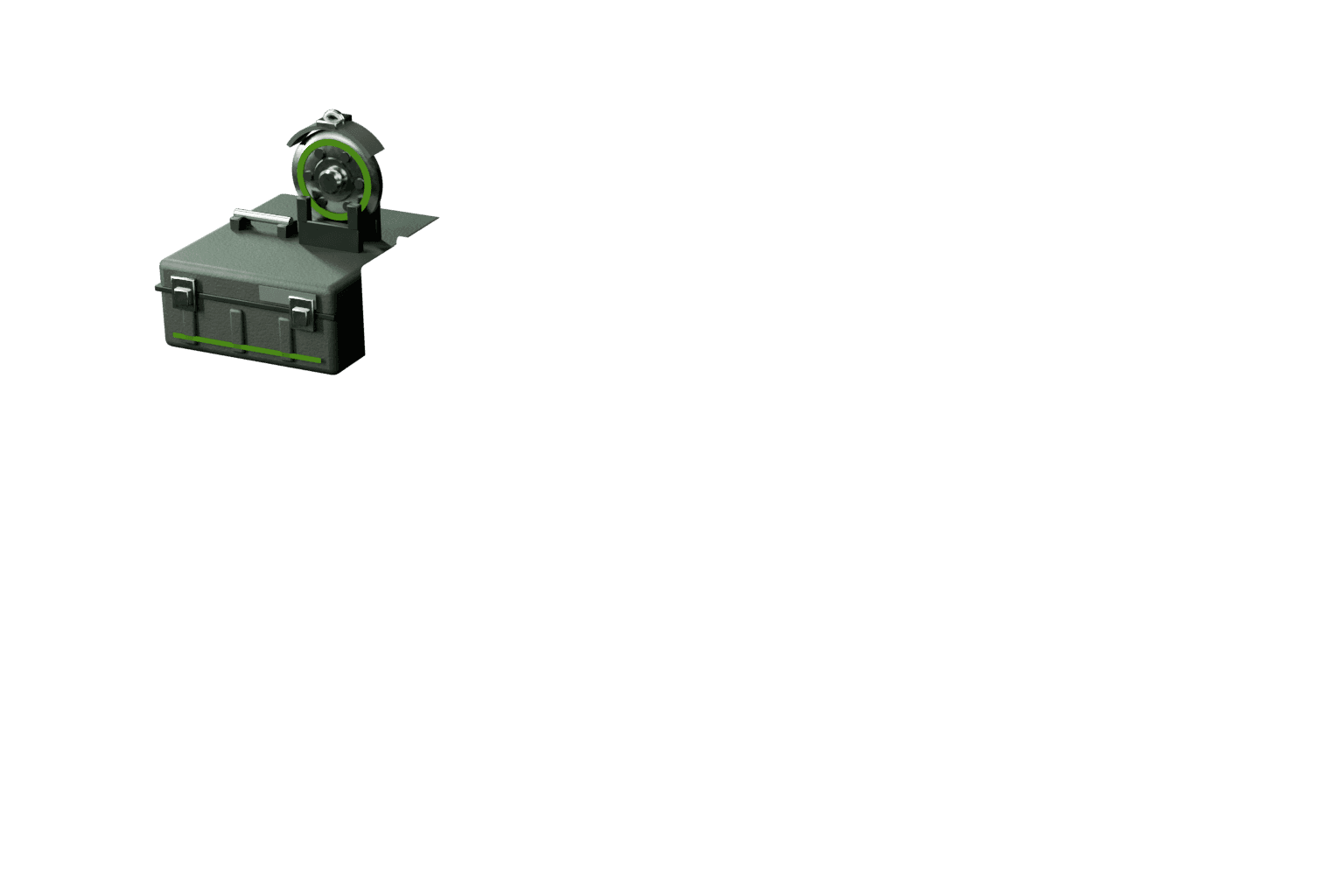
Calibration Kit
The reference weights, verification surfaces, and check procedures used to confirm the sensor chain still reads accurately before a survey and to support correlation runs against the reference friction device. An out-of-calibration sensor chain is the first thing an authority challenges in a friction submission.
FULLY ASSEMBLED
Continuous Friction Measuring Equipment
Explore the assembly
01
Measuring Wheel
The test wheel, geared to the transport wheel so it runs at a fixed slip ratio against the wetted pavement, generating the drag force the whole system measures. Its tire specification and slip-ratio setting are what tie a reading to a recognized reference device.
02
Force Sensors
Load cells mounted at the wheel assembly that capture the drag and vertical load forces in real time, the raw inputs the system converts into a friction coefficient. Sensor accuracy and calibration are what make a reading comparable across surveys.
03
Water Delivery System
A nozzle array ahead of the measuring wheel that applies a controlled water film to simulate wet-runway conditions during the test run. Consistent water depth is what makes results repeatable across a survey and comparable against the reference device.
04
Onboard Computer
The data acquisition and processing unit that logs force sensor output continuously against GPS or odometer distance and renders it as a friction profile in the format the civil aviation authority requires. It is also where correlation factors against the accepted reference device are applied.
05
Tow Frame
The structural chassis, either a towed trailer frame or the mounting subframe of a dedicated vehicle, that carries the wheel, sensors, and water system as a stable unit at test speed. Frame rigidity affects how cleanly the load cells isolate the true drag signal.
06
Calibration Kit
The reference weights, verification surfaces, and check procedures used to confirm the sensor chain still reads accurately before a survey and to support correlation runs against the reference friction device. An out-of-calibration sensor chain is the first thing an authority challenges in a friction submission.
| Chassis material class | Corrosion-resistant trailer or vehicle-mounted chassis rated for sustained test-speed operation |
| Ingress protection approach | Sealed sensor and electronics housings rated for wetted-surface test conditions |
| Power options | Vehicle-supplied power for the onboard computer and water delivery pump, or self-contained trailer battery |
| Control compatibility | Onboard computer interfaces with GPS or odometer distance referencing for continuous profile logging |
| Mounting | Trailer-towed behind a vehicle, or fully vehicle-mounted as a dedicated test unit |
| Operating environment | Runway surface at test speed, wetted-surface conditions simulated on demand |
Continuous friction measuring equipment is the instrument class that airport operators use to verify runway surface friction against the level a landing aircraft actually needs, rather than relying on visual inspection or a fixed maintenance calendar. A test wheel, mounted on a trailer towed behind a vehicle or built into a dedicated test vehicle, runs at a fixed slip ratio against a wetted section of pavement while a water delivery system ahead of the wheel simulates rain conditions. The resulting drag force converts to a friction coefficient logged continuously against distance, producing a friction profile of the entire runway rather than isolated spot readings.
ICAO Annex 14 Volume I sets the runway friction levels an aerodrome must maintain and the correlation requirements between different friction device types, since a Mu-meter, a Grip Tester, and a Skiddometer do not read identically on the same surface. Most national civil aviation authorities, GACA included, require periodic friction surveys correlated against the reference device and test method they accept, and reported in a standard format.
Runway friction degrades from three separate mechanisms that a friction survey has to distinguish: rubber deposit buildup in the touchdown zone from repeated aircraft landings, aggregate polishing on the pavement surface from long-term traffic, and contamination from sand, dust, or standing water, all common on Saudi runways given the ambient dust load and the heavy touchdown zone traffic on high-movement airports. A friction survey that only samples the touchdown zone misses degradation further down the runway, which is why continuous logging over the full length, not spot testing, is the standard survey method.
NLS sources continuous friction measuring equipment, self-contained trailer units and vehicle-mounted systems, tested and correlated using the reference friction device and test method the civil aviation authority accepts for that aerodrome, on a turnkey supply and installation basis, sourcing from established international aviation lighting and test-equipment OEMs. A project team typically specifies runway length and category, water delivery method (onboard tank or external supply), and the correlation standard their national authority requires, and NLS returns a matched equipment recommendation with a USD quote. Operator training and initial correlation runs are scoped alongside equipment supply so the unit reports to the required standard from day one.
Specifications
- ✓Test method and correlation using the reference friction device the civil aviation authority accepts for that aerodrome
- ✓Friction level thresholds and reporting referenced against ICAO Annex 14 Volume I
- ✓Formats: trailer-towed and self-contained vehicle-mounted CFME units
- ✓Water delivery: onboard tank or external supply, simulating wetted-surface test conditions
- ✓Correlation support against reference friction device types on request
- ✓Turnkey supply, installation, and operator training as part of the equipment package
Frequently Asked Questions
Who supplies continuous friction measuring equipment in Saudi Arabia?+
NLS sources continuous friction measuring equipment, trailer and vehicle-mounted formats, tested and correlated using the reference friction device and test method the civil aviation authority accepts, on a turnkey supply and installation basis for airports and heliport operators in Saudi Arabia.
What causes low runway friction readings?+
Rubber deposit buildup in the touchdown zone, aggregate polishing on the pavement surface over time, and contamination from sand, dust, or standing water are the three mechanisms a friction survey is designed to catch, each requiring a different maintenance response once identified.
How does continuous friction measurement differ from spot testing?+
Continuous friction measuring equipment logs friction coefficient against distance over the entire runway length while moving at speed, producing a full surface profile. Spot testing samples only isolated points and can miss degradation outside the touchdown zone, which is why continuous logging is the standard survey method rather than spot sampling.
Do you supply skiddometers?+
Yes. Skiddometer and Mu-meter are names of well-known friction testers that many tenders use for the whole category of continuous friction measuring equipment (CFME). We supply CFME correlated to the reference friction device your aviation authority accepts, and can quote a specific make and model on request.
What is the role of the Measuring Wheel in Continuous Friction Measuring Equipment?+
The test wheel, geared to the transport wheel so it runs at a fixed slip ratio against the wetted pavement, generating the drag force the whole system measures. Its tire specification and slip-ratio setting are what tie a reading to a recognized reference device.
What is the role of the Force Sensors in Continuous Friction Measuring Equipment?+
Load cells mounted at the wheel assembly that capture the drag and vertical load forces in real time, the raw inputs the system converts into a friction coefficient. Sensor accuracy and calibration are what make a reading comparable across surveys.
What is the role of the Water Delivery System in Continuous Friction Measuring Equipment?+
A nozzle array ahead of the measuring wheel that applies a controlled water film to simulate wet-runway conditions during the test run. Consistent water depth is what makes results repeatable across a survey and comparable against the reference device.
What is the role of the Onboard Computer in Continuous Friction Measuring Equipment?+
The data acquisition and processing unit that logs force sensor output continuously against GPS or odometer distance and renders it as a friction profile in the format the civil aviation authority requires. It is also where correlation factors against the accepted reference device are applied.
What is the role of the Tow Frame in Continuous Friction Measuring Equipment?+
The structural chassis, either a towed trailer frame or the mounting subframe of a dedicated vehicle, that carries the wheel, sensors, and water system as a stable unit at test speed. Frame rigidity affects how cleanly the load cells isolate the true drag signal.
What is the role of the Calibration Kit in Continuous Friction Measuring Equipment?+
The reference weights, verification surfaces, and check procedures used to confirm the sensor chain still reads accurately before a survey and to support correlation runs against the reference friction device. An out-of-calibration sensor chain is the first thing an authority challenges in a friction submission.
Who supplies Continuous Friction Measuring Equipment (Runway Friction Testers) in Saudi Arabia?+
Northlane Solutions (Northlane Solutions Company) supplies Continuous Friction Measuring Equipment (Runway Friction Testers) across Saudi Arabia, including Riyadh, Jeddah, Dammam and Jubail. Send your specification and quantities to info@northlanesolution.com for a quotation.
Related products
Runway Friction Testing Services
Runway friction testing services deliver a continuous friction survey of a runway using calibrated equipment, correlated to ICAO reference friction levels, and reported in the format a civil aviation authority requires. The service covers scheduling, wetted-surface test runs, data correlation, and a friction report with low-friction sections flagged for maintenance.
Heliport Friction Testing
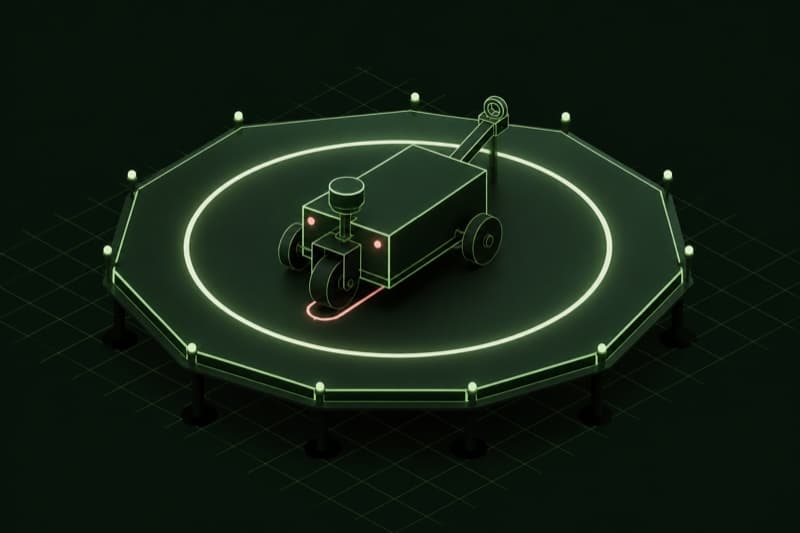
Heliport friction testing verifies the touchdown and lift-off area (TLOF) and final approach and take-off area (FATO) surfaces meet the slip resistance a helicopter needs, tested using portable or trailer-mounted equipment rather than fixed-wing runway rigs, since most heliport surfaces are smaller and often elevated. NLS delivers heliport friction testing referenced against ICAO Annex 14 Volume II and CAP 437.