

Hospitals & Healthcare
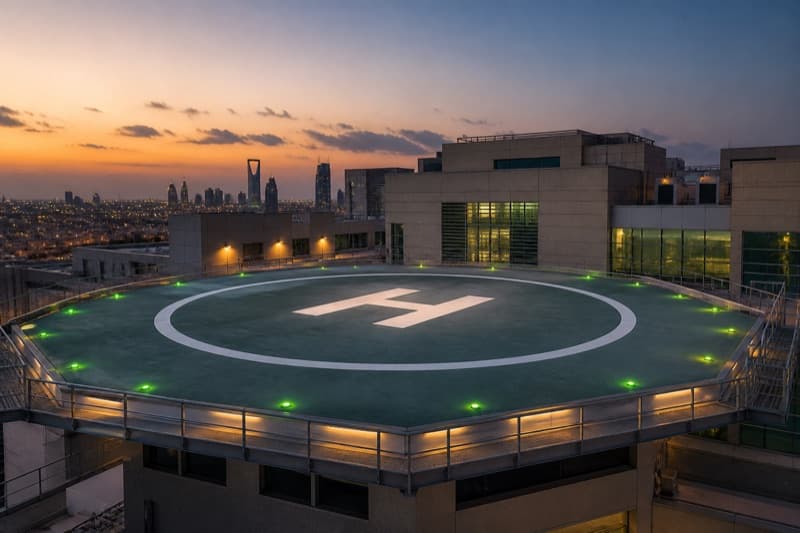
Northlane Solutions supplies rooftop and ground level hospital helipads: TLOF and perimeter lighting, floodlighting, firefighting systems and the medium intensity obstruction lighting a tall hospital tower needs, engineered to ICAO Annex 14 Volume II and GACAR Part 138, so a pad is usable at night and in reduced visibility when an air ambulance needs it.
A helipad is a clinical asset, not an amenity
A hospital helipad exists for one reason: to move a critical patient in less time than an ambulance can manage on Saudi roads. That makes the lighting and marking package a patient safety system, not a building feature, and it has to work the first time it is needed, at night, in poor visibility, with a pilot who has never landed there before.
What the compliance trail actually requires
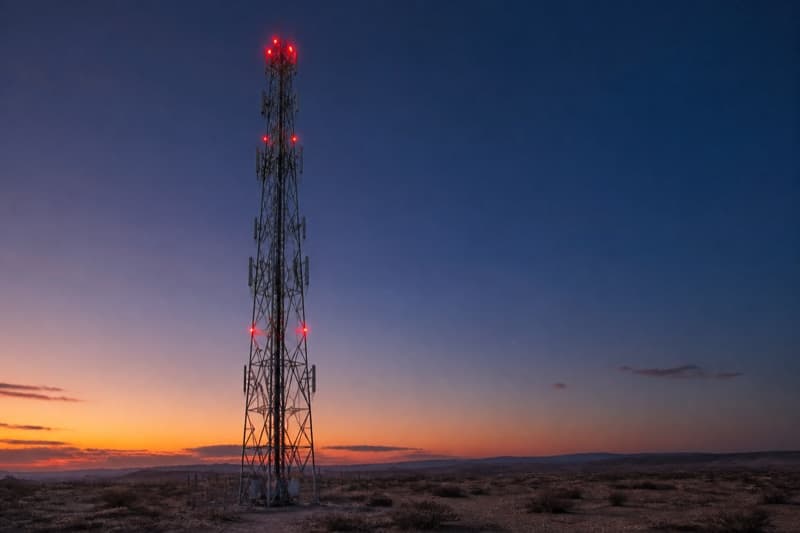
ICAO Annex 14 Volume II sets the international basis for heliport design, and GACAR Part 138 applies it in the Kingdom. For a hospital rooftop or ground level pad this means touchdown and lift off area lighting, perimeter lights that define the usable surface at night, and floodlighting that lets a crew assess the approach and the surrounding structures before committing to land. A rooftop hospital building is itself an obstacle to other aircraft, so medium intensity obstruction lighting on the structure and any adjacent tall equipment is part of the same design problem, not a separate scope.
Firefighting is not optional on a hospital pad
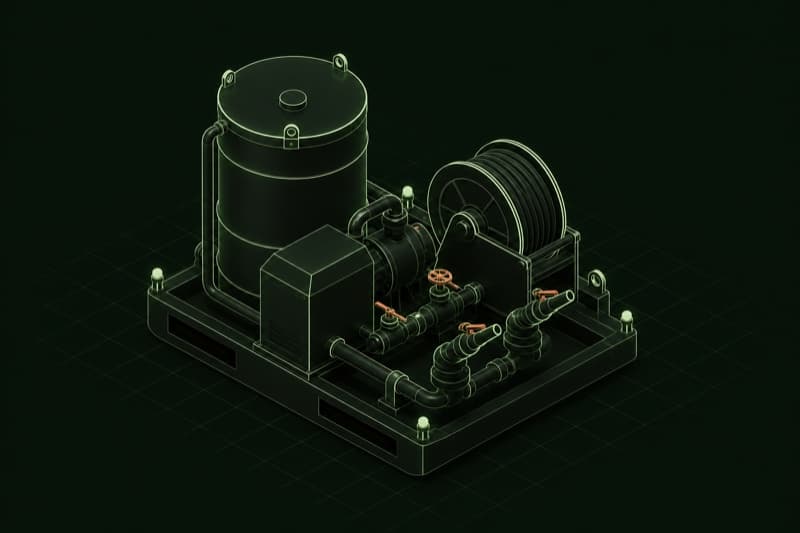
NFPA 418 and the equivalent Civil Defence expectations treat aviation fuel fires as a distinct hazard class from a building fire. A hospital pad handling emergency medical flights needs firefighting equipment sized and positioned for that risk, coordinated with the hospital's own fire strategy rather than bolted on afterward.
Why facility directors bring this to one desk
A hospital project typically has a helipad consultant, a main contractor and a facilities team, none of whom specify aviation lighting every day. Northlane Solutions already supplies hospital and aviation infrastructure projects across Saudi Arabia, sourcing TLOF and perimeter lights, floodlights, firefighting systems and obstruction lighting from established aviation OEMs and handling design coordination, supply, installation, commissioning and the maintenance programme that keeps the pad certifiable year after year. One RFQ, one point of accountability, and photometric performance that matches what the GACA approval package requires rather than a generic industrial fitting relabelled for aviation use.
Maintenance keeps the certificate valid
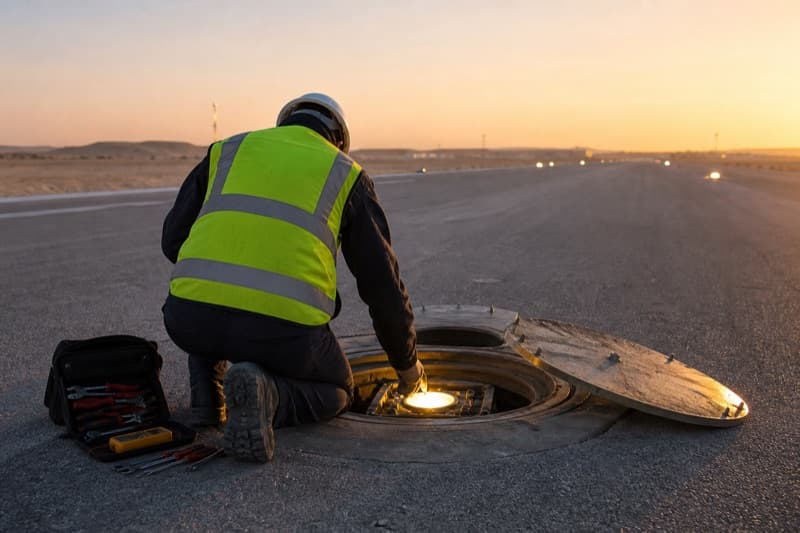
An approved helipad that has drifted out of photometric or electrical tolerance is not an approved helipad in practice. Scheduled lamp and circuit checks, spare parts availability and a documented maintenance record are what keep the pad usable between inspections, and NLS carries that support alongside the original supply.
Related services
Related products



Frequently Asked Questions
Does every hospital helipad need firefighting equipment installed?+
Any pad handling emergency medical flights should be assessed against NFPA 418 and Civil Defence expectations for aviation fuel fire risk, which is a different hazard class from general building fire protection and is usually a condition of the helipad approval.
Can a rooftop hospital helipad affect obstruction lighting on the tower itself?+
Yes. The building becomes an obstacle to other aircraft in the vicinity, so medium intensity obstruction lighting on the structure and adjacent equipment is normally designed alongside the helipad lighting rather than as a separate project.
Who handles the maintenance once a hospital helipad is commissioned?+
NLS offers scheduled maintenance covering lamp condition, circuit continuity and spare parts, since the ongoing approval of a helipad depends on it staying within the photometric and electrical tolerances it was commissioned to.
Can NLS supply a hospital helipad package as a single order?+
Yes. TLOF and perimeter lighting, floodlighting, firefighting equipment and obstruction lighting are quoted, sourced and coordinated as one turnkey scope rather than split across separate suppliers.