
Construction & Real Estate
Northlane Solutions supplies obstruction lighting and helipad infrastructure for high-rise construction and real estate developments across Saudi Arabia: low intensity obstruction lights, aircraft warning spheres for overhead cables, TLOF and perimeter lighting and heliport marking services, engineered to ICAO Annex 14 for both the construction phase and the finished building.
The crane is an obstruction before the building is
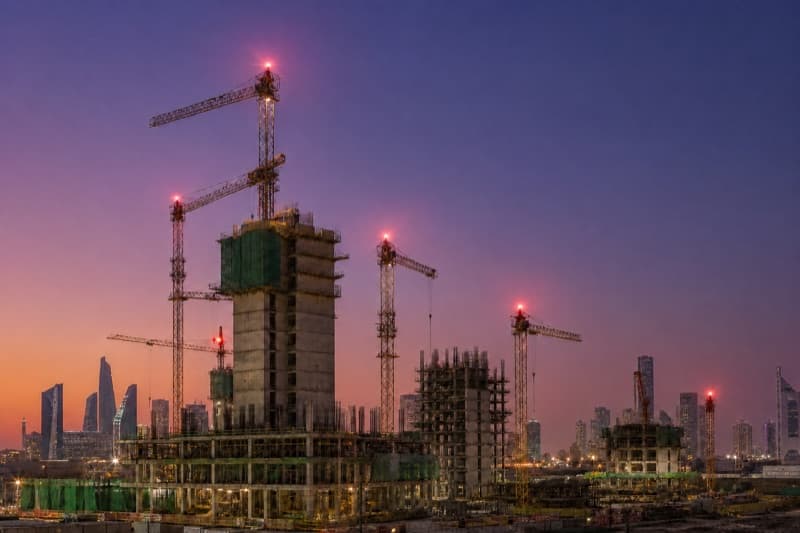
A high-rise or crane heavy development creates an aviation obstacle well before it creates a finished building. Tower cranes routinely exceed the height of the eventual structure during construction, and if the site sits within an aerodrome's obstacle limitation surfaces, the crane itself needs obstruction lighting under ICAO Annex 14 for the entire period it is standing, not only once the building tops out.
Low intensity lighting for the everyday case
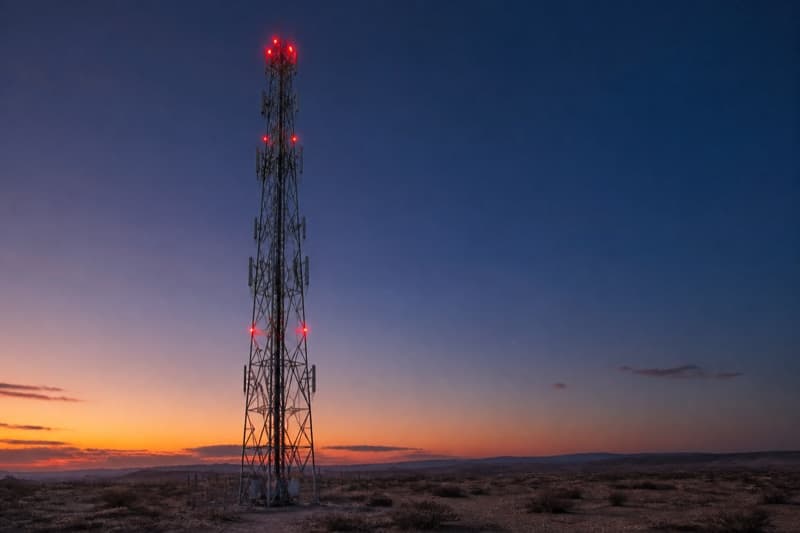
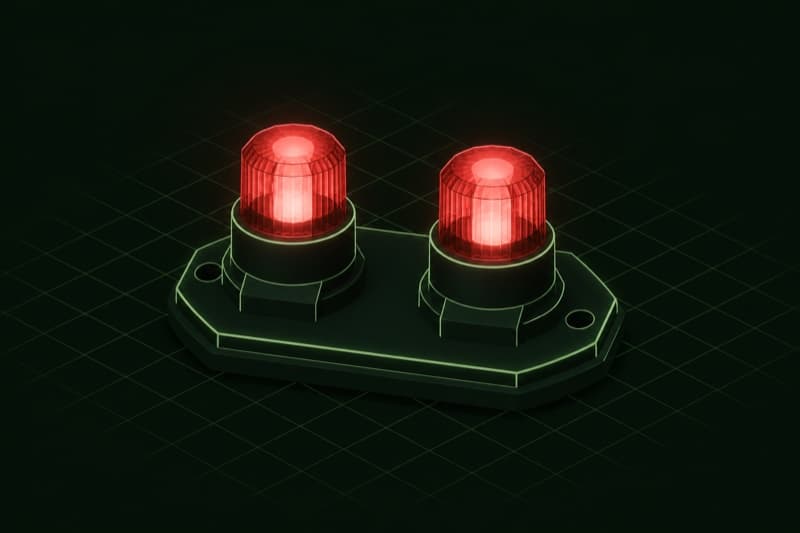
Most construction and real estate obstacles, from mid rise buildings to standard tower cranes and site plant, fall into the low intensity category under Annex 14, chosen by height and location rather than applied uniformly. Getting the intensity category wrong in either direction either under-lights a genuine hazard or adds unnecessary lighting load and running cost to a structure that does not need it.
Aircraft warning spheres for overhead cable runs
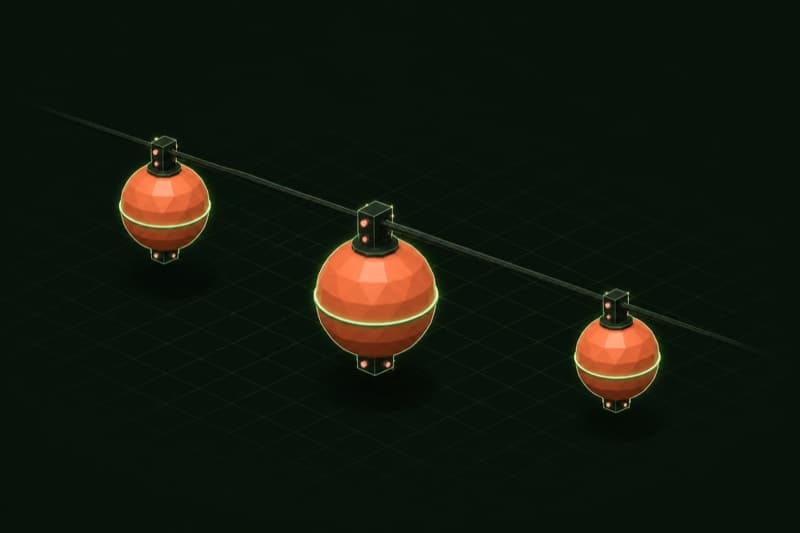
Where a development crosses power lines, cableways or other overhead conductors near an aerodrome's approach surfaces, the cable itself becomes the obstacle rather than a structure, and it is effectively invisible to a pilot until it is too close to react to. Aircraft warning spheres mounted along the cable make the hazard visible from a useful distance, which a point light fixed to a tower or pylon cannot achieve for a horizontal span.
A helipad is now a standard real estate amenity, not a novelty
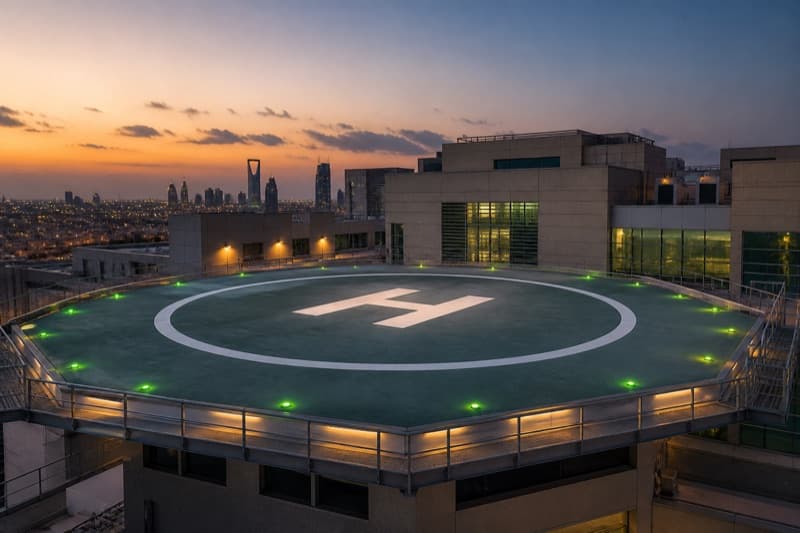
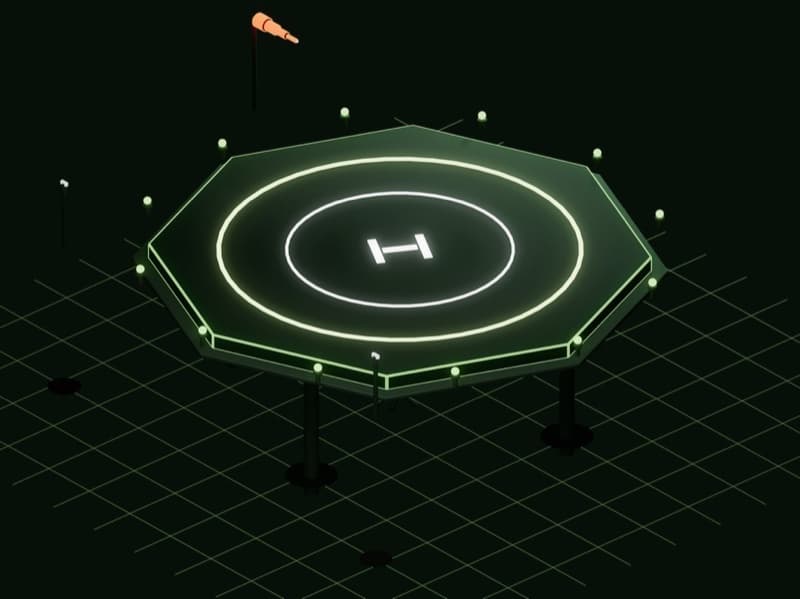
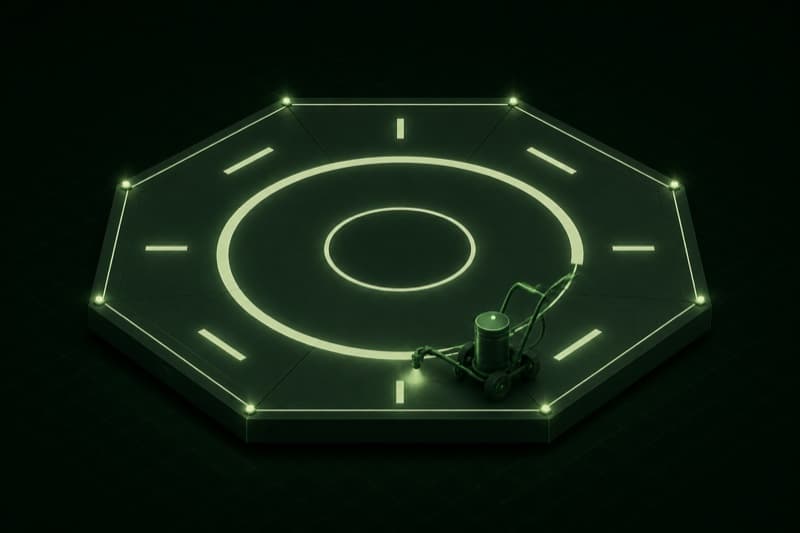
Commercial towers and premium residential developments increasingly include a rooftop helipad as part of the offering, and once built it needs the same TLOF and perimeter lighting discipline as any other heliport under ICAO Annex 14, plus surface marking that meets the same standard. A helipad that is marked inconsistently with the regulatory pattern is a liability the first time it is actually used, not a decorative feature.
Marking services close the compliance loop
Lighting alone does not satisfy a helipad or obstacle marking requirement. Surface markings, including the touchdown marking, identification markings and perimeter markings, have to be applied and maintained to the pattern the standard specifies, and repainting on a schedule matters as much as the original application since faded markings fail an inspection the same way missing lights do.
Coordinated with the construction and handover programme
Northlane Solutions supplies low intensity obstruction lighting for cranes and structures, aircraft warning spheres for overhead cables, TLOF and perimeter lighting for rooftop helipads, and marking services, sequencing installation with the construction programme so the site stays compliant through every phase from mobilisation to handover.
Related services
Related products
Frequently Asked Questions
Does a tower crane need obstruction lighting during construction only, or permanently?+
For the entire period the crane is standing and within relevant obstacle limitation surfaces. The requirement is tied to the crane's presence and height, not the completion status of the building it is building.
When are aircraft warning spheres used instead of point lighting?+
For horizontal hazards such as overhead cables and cableways, where a fixed point light on a tower or pylon does not make the full span visible. Spheres are mounted along the cable itself to mark the hazard's real extent.
Does a rooftop helipad on a new tower need surface markings as well as lighting?+
Yes. Touchdown marking, identification markings and perimeter markings are applied and maintained to the standard's pattern alongside the lighting, and both are checked at inspection.
Can lighting installation be sequenced around a live construction site?+
Yes. Installation is coordinated with the construction programme so crane and structure lighting stays compliant through every phase, from initial mobilisation to final handover.