Runway Rubber Removal
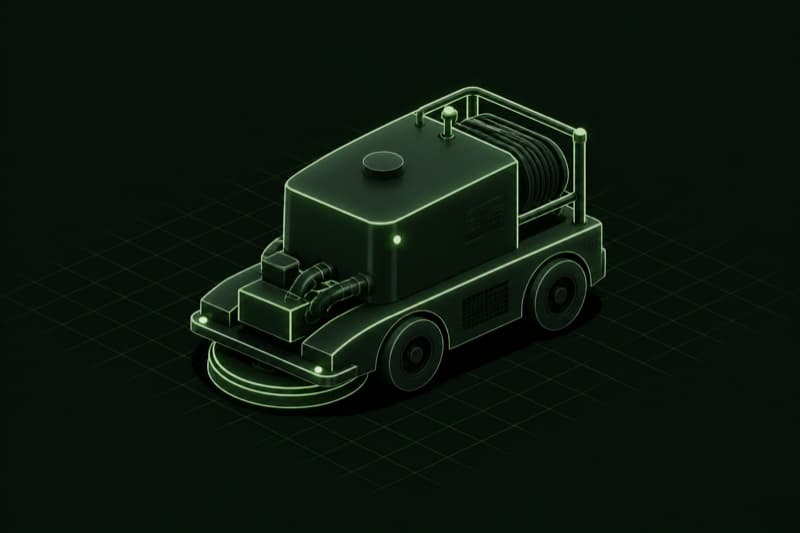
Runway rubber removal strips the tyre deposits that build up in the touchdown zone and reduce pavement friction to unsafe levels. NLS delivers this as a scheduled service using high-pressure water or shot-blast methods matched to the pavement type, verified by post-work friction testing to ICAO Annex 14 and FAA AC 150/5320-12 thresholds, for airports and airbases across Saudi Arabia.
Rubber removal targets the touchdown zone, the section beyond each threshold where landing tyres spin up and deposit rubber fastest. The treated extent is set from the friction survey rather than a fixed distance, since the deposit pattern follows the runway's own traffic mix. Left in place, that rubber fills the pavement's surface texture and progressively lowers friction, particularly when the surface is wet, which is exactly when a pilot needs braking and directional control most. ICAO Annex 14 Volume I and FAA AC 150/5320-12 both frame how measured friction is compared against the planning levels the aerodrome operator and civil aviation authority set for that runway, and expect an airport to run a scheduled rubber removal and friction testing program rather than reacting only after a complaint or an incident.
NLS delivers rubber removal as a turnkey service: mobilisation, method selection, execution, and a friction survey to confirm the work restored the pavement to standard, all under one scope rather than split between separate contractors. Method selection depends on pavement type and rubber deposit thickness. High-pressure water blasting is the most common method on asphalt and concrete runways, effective on moderate deposits without damaging the pavement surface or grooving pattern. Shot-blasting (mechanical abrasive removal) is used where rubber buildup is heavier or a chemical method has been ruled out, and chemical rubber solvents are an option on some concrete surfaces, though they require careful runoff control.
The method matters because an aggressive technique on the wrong pavement type can strip surface texture or damage grooving cut into the concrete for drainage, which then needs its own repair. NLS selects the removal method against the pavement's construction, groove pattern, and rubber deposit condition rather than applying one default method to every runway.
Work is scheduled around an airport's operational windows, typically overnight closures or partial-runway closures, coordinated with air traffic control and airport operations so the runway returns to service within its allotted window. After removal, NLS runs a friction test (continuous friction measuring equipment) across the treated zone to confirm the surface meets the applicable ICAO or FAA friction threshold before handing the runway back.
Rubber removal frequency depends on traffic volume, aircraft mix, and pavement type rather than a fixed calendar, a high-traffic touchdown zone at a busy commercial airport needs it far more often than a lightly used general aviation strip. NLS assesses current friction test data and traffic figures to recommend a removal interval matched to actual wear rather than a generic schedule.
Specifications
- ✓Methods: high-pressure water blasting, mechanical shot-blasting, or chemical rubber solvent, selected by pavement type and deposit condition
- ✓Friction verification against ICAO Annex 14 Volume I and FAA AC 150/5320-12 threshold levels using continuous friction measuring equipment
- ✓Work scoped to preserve existing pavement groove pattern and surface texture
- ✓Scheduled around night or partial-runway closure windows, coordinated with air traffic control and airport operations
- ✓Removal interval recommended against actual friction test data and traffic mix rather than a fixed calendar
- ✓Delivered as one turnkey scope covering mobilisation, execution, and post-work friction survey
Frequently Asked Questions
How do I know if a runway needs rubber removal?+
Friction testing is the objective indicator, a continuous friction measuring survey that reads below the ICAO or FAA threshold in the touchdown zone signals rubber buildup has degraded the surface. NLS can run or review that friction data before recommending a removal scope.
Who provides runway rubber removal services in Saudi Arabia?+
NLS delivers runway rubber removal as a turnkey service across Saudi Arabia, from method selection through execution and post-work friction verification to ICAO and FAA thresholds.
Does rubber removal damage the runway surface?+
Not when the method matches the pavement. High-pressure water is generally the least aggressive option on asphalt and concrete, while shot-blasting or chemical methods are reserved for heavier deposits or specific pavement conditions, chosen to avoid stripping surface texture or damaging drainage grooving.
Who supplies Runway Rubber Removal in Saudi Arabia?+
Northlane Solutions (Northlane Solutions Company) supplies Runway Rubber Removal across Saudi Arabia, including Riyadh, Jeddah, Dammam and Jubail. Send your specification and quantities to info@northlanesolution.com for a quotation.
Related products
Runway Marking Services
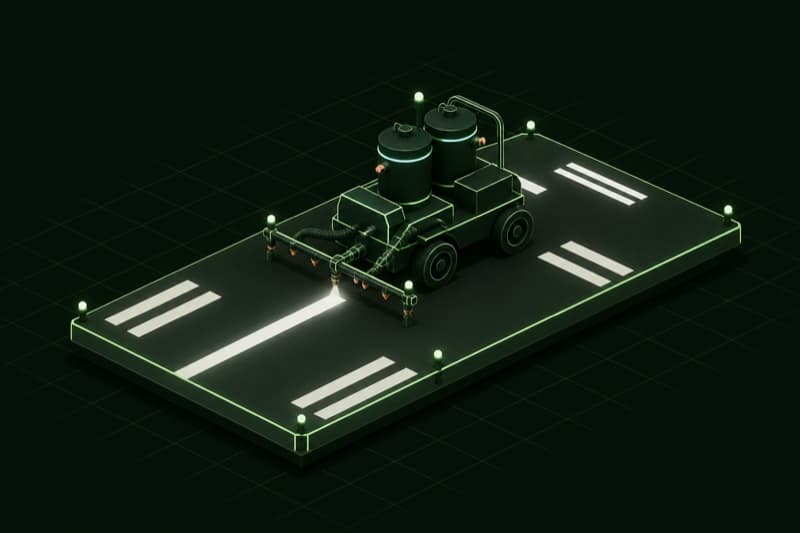
Runway marking services apply the centerline, threshold, touchdown zone, and designation markings a pilot relies on for alignment and distance judgment during takeoff and landing. NLS delivers turnkey supply and application of retroreflective aviation marking paint to ICAO Annex 14 and FAA AC 150/5340-1 marking layouts, for runway resurfacing and new pavement projects in Saudi Arabia.
Taxiway & Apron Marking
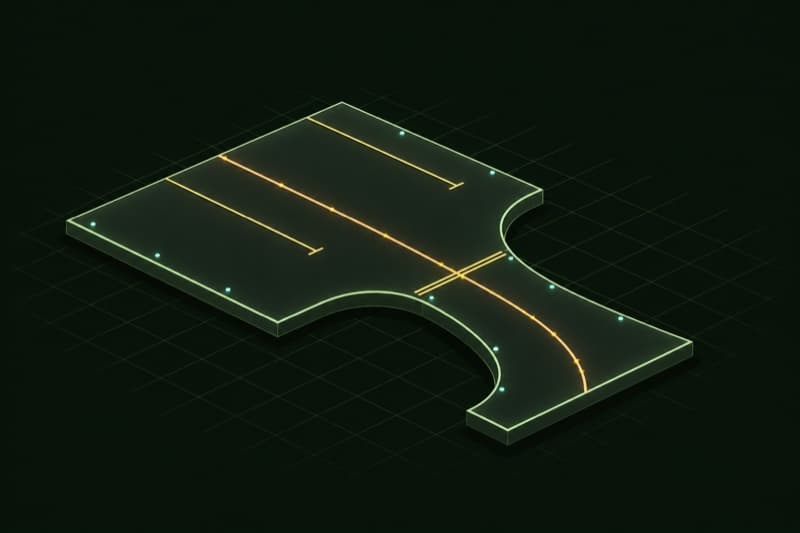
Taxiway and apron marking guides aircraft ground movement between the runway and parking stands, covering centerlines, holding position markings, stand guidance lines, and equipment safety lanes. NLS delivers turnkey layout and application of taxiway and apron markings to ICAO Annex 14 and FAA AC 150/5340-1 standards, for airport apron and taxiway projects across Saudi Arabia.

Airfield Marking Materials
Airfield marking materials cover the retroreflective paint, glass beads, thermoplastic, and preformed marking tape formulated for airfield pavement, distinct from standard road-marking products. NLS sources airfield-grade marking materials from established international aviation suppliers, matched to ICAO Annex 14 and FAA AC 150/5340-1 marking requirements, for supply-only or supply-with-installation delivery across Saudi Arabia.
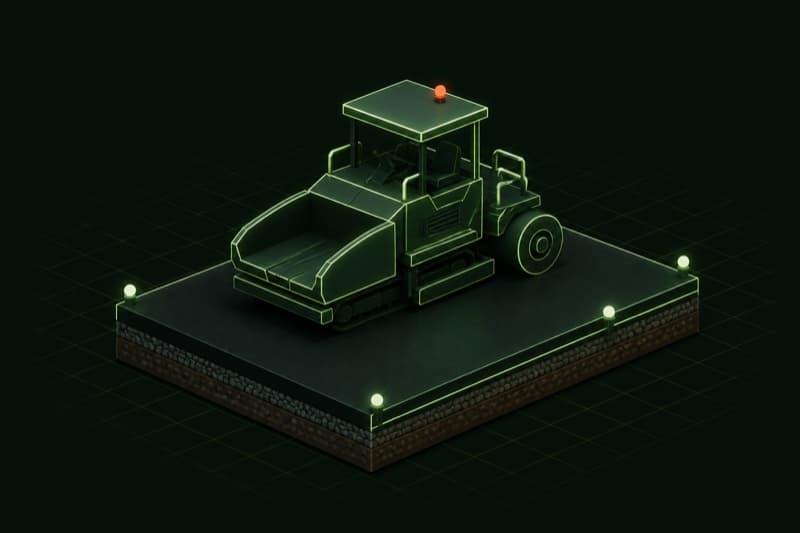
Airfield Civil Works
Airfield civil works cover the pavement construction, repair, and grading work that underlies runway, taxiway, and apron surfaces, from joint sealing and crack repair to drainage and pavement rehabilitation. NLS delivers this as turnkey scope with international engineering standards and airport operational constraints, for runway resurfacing and apron construction projects across Saudi Arabia.