
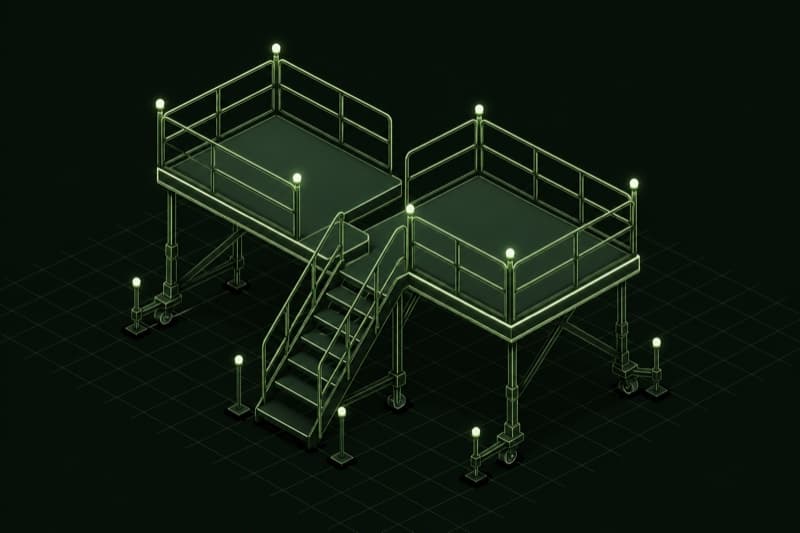
Aircraft Maintenance Platforms
Aircraft maintenance platforms give technicians safe elevated access to the fuselage, engines and upper structure during inspection and repair work, contoured or adjustable to the aircraft type serviced. NLS supplies maintenance platforms sourced from established international ground support equipment manufacturers, matched to fleet type and hangar or line maintenance requirements across Saudi Arabia.
Inside the Aircraft Maintenance Platforms
An aircraft maintenance platform gives technicians elevated, stable access to the fuselage, engines, and upper structure during inspection and repair, either contoured to a specific aircraft profile or built with adjustable decking to serve multiple types. The lifting mechanism, work deck, and access system work together to position personnel safely at height around the airframe.
01
Work Deck
The elevated platform surface where technicians stand, contoured to hug the aircraft skin on dedicated stands or fitted with movable deck sections on adjustable units so gaps to the airframe stay small at every access point.
02
Guardrail and Fall Protection System
Perimeter railing and, on many designs, adjustable or removable gate sections around the work deck edge, engineered to protect personnel working at height around aircraft surfaces without obstructing access to the airframe.
03
Lifting or Elevation Mechanism
The scissor lift, screw jack, or hydraulic system that raises the deck to working height and holds it steady under technician and tool loads for the duration of the maintenance task.
04
Access Stairway or Ladder
Provides technicians a controlled route up to and down from the work deck, positioned clear of the aircraft and fitted with its own handrails independent of the main deck guarding.
05
Base Frame and Mobility System
The wheeled or fixed-caster undercarriage that supports the full structure, sized for stability under an elevated deck and, on mobile units, allowing repositioning around the aircraft or between hangar bays.
| Deck configuration | Contoured to aircraft type or adjustable multi-type deck |
| Elevation method | Scissor lift, screw jack, or hydraulic system |
| Fall protection | Perimeter guardrail with adjustable access gates |
| Mobility | Mobile on castors or fixed hangar installation |
| Access route | Dedicated stairway independent of deck guarding |
| Use setting | Line maintenance or hangar heavy maintenance |
Access is a safety requirement, not a convenience
Engine inspections, fuselage repairs, upper structure checks and paint work all require technicians to reach points on an aircraft several metres off the ground, safely and repeatedly. A maintenance platform provides that access with guardrails, stable footing and a working height matched to the task, replacing improvised ladders or scaffolding that create real fall risk and slow the work down. This is a fall protection requirement first, and a productivity factor second.
Fixed, adjustable and mobile designs
Hangar based maintenance often uses contoured docking platforms built to the specific curvature of one aircraft type, giving technicians close, stable access around the fuselage and engines for heavy checks. Line maintenance, where work happens on the apron between flights or during shorter visits, more often calls for mobile, height adjustable platforms that can be positioned quickly and serve more than one aircraft type. The right mix depends on whether the operator runs a maintenance hangar, line stations, or both.
Fitting the platform to the fleet
A docking system built around one aircraft type generally will not fit another without modification, so operators servicing a mixed fleet either need multiple dedicated systems or a more flexible adjustable platform range. Structural load rating also matters, since platforms carry technicians, tools and sometimes replacement parts simultaneously, and Saudi hangar and apron conditions place additional demand on component durability given heat and dust exposure over the equipment's service life.
What NLS supplies
NLS supplies aircraft maintenance platforms sourced from established international ground support equipment manufacturers, specified against the aircraft types, maintenance scope and hangar or apron layout of the operator. This covers advising on contoured docking systems versus adjustable mobile platforms, coordinating load rating and guardrail specification to the work being performed, and arranging delivery and setup at the maintenance facility. Where an operator handles more than one aircraft type, NLS helps determine whether a shared adjustable platform range or separate dedicated systems better fits the maintenance programme.
Ongoing support
A maintenance platform is safety equipment in continuous use, so NLS supports its supply with access to spare parts and servicing guidance to keep platforms structurally sound and compliant through years of hangar and line operation.
Specifications
- ✓Contoured docking platforms built to specific aircraft type curvature for hangar based checks
- ✓Mobile, height adjustable platforms for line maintenance across multiple aircraft types
- ✓Guardrail and fall protection features built to the working height and task performed
- ✓Structural load rating accounting for technicians, tools and parts carried simultaneously
- ✓Components rated for sustained heat and dust exposure in Saudi hangar and apron environments
- ✓Sourced from established international ground support equipment manufacturers
Frequently Asked Questions
Do maintenance platforms need to be built for one specific aircraft type?+
Contoured docking platforms are typically built around one aircraft type's curvature for close hangar access, while adjustable mobile platforms can serve several types with less precision but greater flexibility. NLS reviews the fleet and maintenance scope before recommending which approach fits.
What load factors matter when specifying a maintenance platform?+
The platform must carry the combined weight of technicians, tools and sometimes replacement parts at once, so structural load rating is specified against the heaviest realistic working scenario rather than a single technician alone. NLS confirms this against the maintenance tasks the platform will support.
Can NLS supply platforms for both hangar and line maintenance?+
Yes. NLS supplies both contoured hangar docking systems and mobile adjustable line maintenance platforms, and can advise on the mix that best fits an operator running both types of maintenance work.
What is the role of the Work Deck in Aircraft Maintenance Platforms?+
The elevated platform surface where technicians stand, contoured to hug the aircraft skin on dedicated stands or fitted with movable deck sections on adjustable units so gaps to the airframe stay small at every access point.
What is the role of the Guardrail and Fall Protection System in Aircraft Maintenance Platforms?+
Perimeter railing and, on many designs, adjustable or removable gate sections around the work deck edge, engineered to protect personnel working at height around aircraft surfaces without obstructing access to the airframe.
What is the role of the Lifting or Elevation Mechanism in Aircraft Maintenance Platforms?+
The scissor lift, screw jack, or hydraulic system that raises the deck to working height and holds it steady under technician and tool loads for the duration of the maintenance task.
What is the role of the Access Stairway or Ladder in Aircraft Maintenance Platforms?+
Provides technicians a controlled route up to and down from the work deck, positioned clear of the aircraft and fitted with its own handrails independent of the main deck guarding.
What is the role of the Base Frame and Mobility System in Aircraft Maintenance Platforms?+
The wheeled or fixed-caster undercarriage that supports the full structure, sized for stability under an elevated deck and, on mobile units, allowing repositioning around the aircraft or between hangar bays.
Who supplies Aircraft Maintenance Platforms in Saudi Arabia?+
Northlane Solutions (Northlane Solutions Company) supplies Aircraft Maintenance Platforms across Saudi Arabia, including Riyadh, Jeddah, Dammam and Jubail. Send your specification and quantities to info@northlanesolution.com for a quotation.
Related products
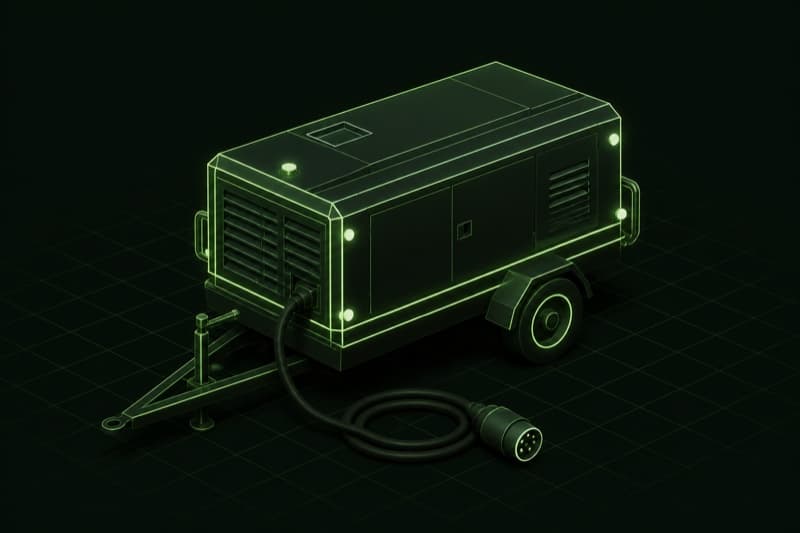
Ground Power Units
Ground power units are mobile or fixed electrical sets that supply aircraft with power on stand, so engines stay off during turnaround, boarding and maintenance. NLS supplies ground power units sourced from established international ground support equipment manufacturers, sized to aircraft type and apron power requirements across Saudi Arabia.
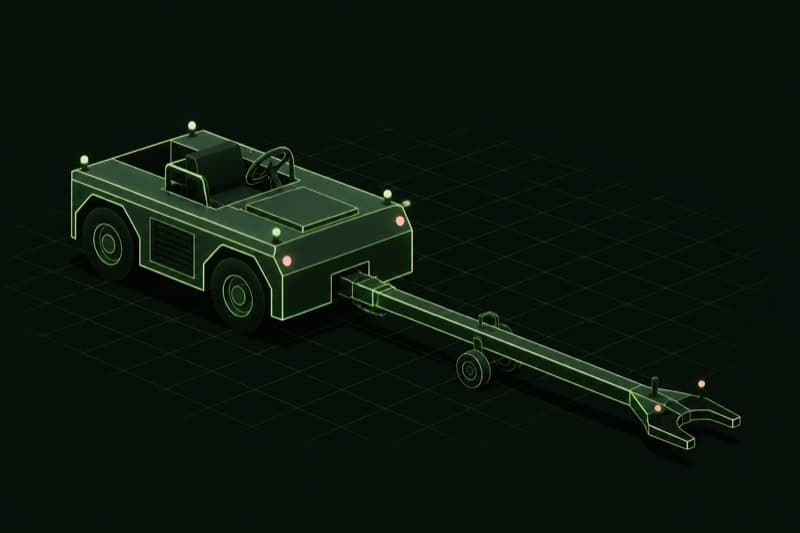
Aircraft Tugs and Towbars
Aircraft tugs and towbars move aircraft on the ground without using their own engines, for pushback, gate repositioning and hangar movements. NLS supplies towbar and towbarless tugs sourced from established international ground support equipment manufacturers, matched to aircraft type and apron operating patterns across Saudi Arabia.
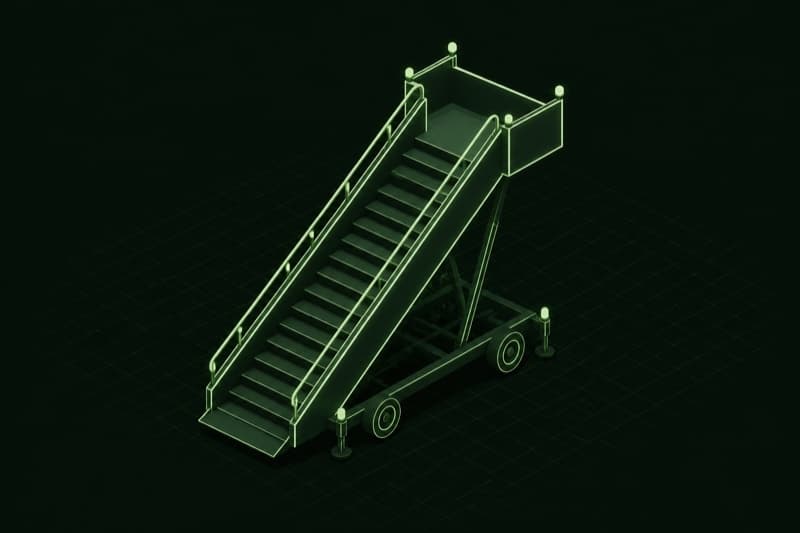
Passenger Boarding Stairs
Passenger boarding stairs let travelers board and disembark aircraft directly on the apron where no jet bridge is available, mobile or self propelled and sized to the aircraft door height served. NLS supplies boarding stairs sourced from established international ground support equipment manufacturers, matched to fleet type and stand layout across Saudi airports.