

Barrier Nets and Stanchions
Barrier nets and stanchions form a raised net barrier across the runway that engages an aircraft's airframe rather than its arresting hook, used where a hook engagement is not available or has failed. NLS supplies barrier nets, their supporting stanchions, and associated hardware to military air bases in Saudi Arabia, sourced from established international manufacturers.
Inside the Barrier Nets and Stanchions
A barrier net system raises a net across the runway on demand, catching an aircraft's wings and fuselage directly when no tailhook engagement is available. The stanchions, net, and energy-absorbing tapes work together to bring the aircraft to a stop and then retract clear for normal traffic.

01
Barrier Net
The webbing barrier itself, engineered to catch the aircraft's wing leading edges and fuselage and spread the arresting load across the airframe rather than a single point.

02
Stanchions
Upright supports positioned along the runway edge that raise the net into position for an engagement and lower or retract it clear for normal aircraft movement.

03
Energy Absorbing Purchase Tapes
Webbing tapes connecting the net to the energy absorber on each side, paying out under controlled resistance to decelerate the aircraft once the net engages.

04
Deployment Mechanism
The winch or actuator system that raises the stanchions and net into the engagement position and lowers them again, and the component most exposed to repeated-cycle wear.

05
Foundation Anchors
Embedded fittings that anchor the stanchions and energy absorbers to the runway structure, carrying the arresting load into the ground.
FULLY ASSEMBLED
Barrier Nets and Stanchions


| Engagement Method | Net engages the aircraft wings and fuselage directly, independent of a tailhook |
| Deployment | Raised into position on demand, lowered or retracted for normal traffic |
| Energy Absorption | Purchase tapes connected to an energy absorber on each side of the runway |
| Positioning | Fixed at a defined runway station, complementary to or standalone from a cable system |
| Specification Basis | Selected against the operating aircraft types and the base's runway safety planning |
| Maintenance Exposure | Net material and deployment mechanism rated for sustained heat, dust and UV exposure |
What a barrier net system is for
A cable and energy absorber arresting system relies on the aircraft's own arresting hook engaging the cable. Not every aircraft type carries a compatible hook, and even where one does, a hook can fail to engage or the pilot may be unable to align with the cable. A barrier net addresses this gap: a raised net, supported between stanchions positioned along the runway edge, that engages the aircraft's wings and fuselage directly and brings it to a stop through the net and its energy absorbing attachment, independent of the aircraft's own hook.
How it differs from a cable arresting system
Where a cable system is a low profile line the aircraft's hook must catch, a barrier net presents a vertical net face across the runway or a defined portion of it, raised into position when needed and lowered or retracted for normal traffic. The stanchions that support the net have to raise and lower reliably on demand, since a net left in the wrong position is either a hazard to normal operations or unavailable exactly when an aircraft needs it. The net material and its energy absorbing connection are engineered to spread the arresting load across the aircraft's structure instead of concentrating it at a single hook point.
Where this fits at a Saudi military air base
Bases operating aircraft types without a compatible arresting hook, or seeking a backup capability alongside an existing cable system, typically specify a barrier net as a complementary or standalone runway safety asset. The choice between a cable system, a barrier net, or both depends on the aircraft types operated and the base's own runway safety planning, which is why NLS treats each requirement as a technical evaluation, not a standard package.
NLS scope
NLS supplies barrier nets, the stanchion structures that support and deploy them, and the raising, lowering, and energy absorbing hardware that makes the system operational, sourced from established international manufacturers with a demonstrated record in military runway barrier equipment. The scope covers technical evaluation against the base's aircraft types and runway layout, supply of the complete barrier assembly, and the spares and technical support needed to keep the deployment mechanism and net material serviceable through repeated use and environmental exposure.
Maintenance considerations
Net material and stanchion mechanisms are exposed to the same heat, dust, and UV conditions as the rest of the runway environment across Saudi Arabia, and a deployment mechanism that seizes or a net that has degraded past its rated strength defeats the system's purpose. NLS structures its supply around scheduled inspection and spares availability so the barrier stays deployable exactly when it is needed.
Specifications
- ✓Net barrier engaging the aircraft airframe and wings directly, independent of an arresting hook
- ✓Stanchion structures engineered for reliable repeated raising, lowering and retraction on demand
- ✓Energy absorbing attachment distributing arresting load across the net rather than a single point
- ✓Selection and specification against applicable military engineering specifications for runway barrier equipment
- ✓Sourced from established international manufacturers with a demonstrated record in military runway barriers
- ✓Supported by scheduled inspection guidance and spares availability for net material and deployment hardware
Frequently Asked Questions
When is a barrier net used instead of a cable arresting system?+
A barrier net applies where the aircraft type has no compatible arresting hook, or as a backup where a hook engagement fails or is not achieved. The choice depends on the base's aircraft mix and runway safety planning, which NLS evaluates before recommending a configuration.
Can a barrier net be installed alongside an existing cable arresting system?+
Yes. Many bases operate a cable system and a barrier net as complementary runway safety assets, so an aircraft that misses hook engagement still has a stopping option. NLS evaluates the runway layout to confirm placement for both systems.
What does NLS supply as part of a barrier net system?+
The complete assembly, the net, its supporting stanchions, the raising and lowering mechanism, and the energy absorbing hardware, sourced from established international manufacturers, along with the spares and technical support needed to keep the system serviceable.
What is the role of the Barrier Net in Barrier Nets and Stanchions?+
The webbing barrier itself, engineered to catch the aircraft's wing leading edges and fuselage and spread the arresting load across the airframe rather than a single point.
What is the role of the Stanchions in Barrier Nets and Stanchions?+
Upright supports positioned along the runway edge that raise the net into position for an engagement and lower or retract it clear for normal aircraft movement.
What is the role of the Energy Absorbing Purchase Tapes in Barrier Nets and Stanchions?+
Webbing tapes connecting the net to the energy absorber on each side, paying out under controlled resistance to decelerate the aircraft once the net engages.
What is the role of the Deployment Mechanism in Barrier Nets and Stanchions?+
The winch or actuator system that raises the stanchions and net into the engagement position and lowers them again, and the component most exposed to repeated-cycle wear.
What is the role of the Foundation Anchors in Barrier Nets and Stanchions?+
Embedded fittings that anchor the stanchions and energy absorbers to the runway structure, carrying the arresting load into the ground.
Who supplies Barrier Nets and Stanchions in Saudi Arabia?+
Northlane Solutions (Northlane Solutions Company) supplies Barrier Nets and Stanchions across Saudi Arabia, including Riyadh, Jeddah, Dammam and Jubail. Send your specification and quantities to info@northlanesolution.com for a quotation.
Related products
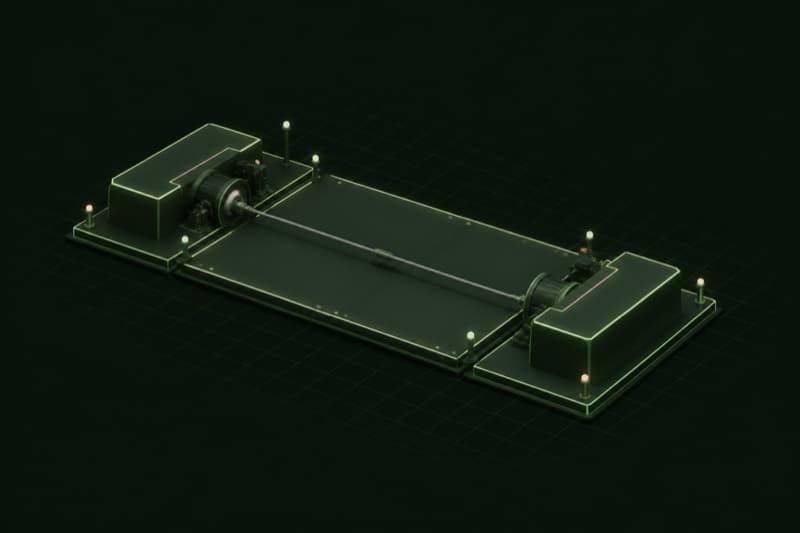
Aircraft Arresting Systems
Aircraft arresting systems bring a landing or aborting aircraft to a controlled stop using an engaging cable, an energy absorbing unit, and supporting hardware, installed across military air bases. NLS supplies and supports these systems for military air bases in Saudi Arabia, sourcing from established international manufacturers and delivering the technical and logistics support that keeps installed systems mission ready.
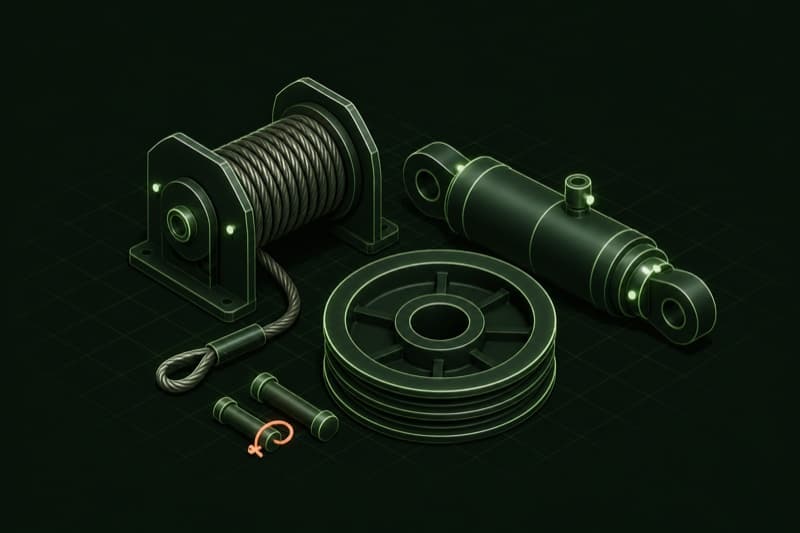
Arresting System Spares
Arresting system spares keep an installed aircraft arresting system serviceable between engagements, covering engaging cables, energy absorbing components, sheaves, fittings, and control hardware. NLS supplies arresting system spares to military air bases in Saudi Arabia, sourced from established international manufacturers, so a system stays mission ready without waiting on a full replacement cycle.